Ceanothus, Genus, spp., Multiple species,
- Genus
- Multiple species
ceanothus
Western North America, mainly California
Overview
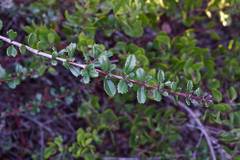
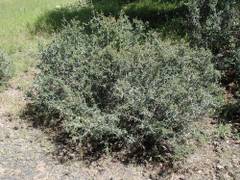
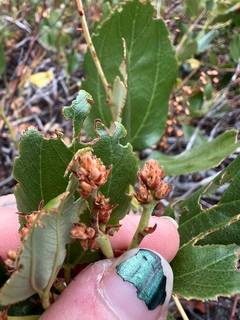
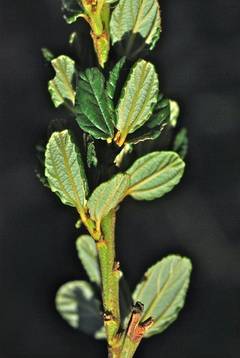
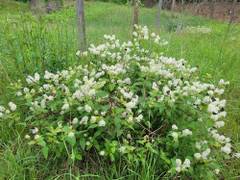
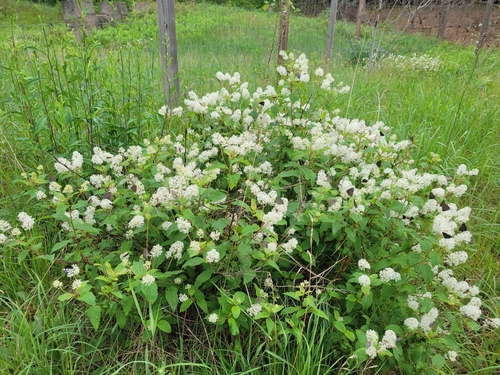
Ceanothus is a genus of about 50 to 60 species of shrubs and small trees in the buckthorn family (Rhamnaceae), the great majority native to western North America and especially California, with a few species in the east and in Central America. The genus includes both evergreen and deciduous species, ranging from low spreading mats 1-3 feet (0.3-0.9 m) tall to upright shrubs and small trees 6-20 feet (1.8-6 m) tall. The leaves are small, often glossy and three-veined, and the plants bear dense rounded or elongated clusters of many tiny flowers, most famously in shades of blue and purple but also white and pink. Flowering is concentrated in spring or early summer and draws large numbers of bees and other insects. Like legumes, Ceanothus fixes nitrogen, here through root nodules with actinomycete bacteria, allowing it to grow in poor soils. The western evergreen species are drought-tolerant and adapted to dry summers, growing in zones 7 to 10, while deciduous species such as C. americanus (New Jersey tea) are hardier, to about zone 4. Many species are fast-growing but short-lived, lasting 10 to 15 years. Many western species decline if given summer water or rich soil once established.
Native Range
Ceanothus species are native chiefly to western North America, with the center of diversity in the California Floristic Province, extending north to British Columbia, east to the Rocky Mountains, and into Mexico and Central America. A smaller group of deciduous species, including C. americanus, is native to eastern and central North America.Suggested Uses
Ceanothus is grown as a spring-flowering shrub, informal screen, bank cover, and pollinator plant in dry-climate and native gardens, spaced 4-8 feet (1.2-2.4 m) apart. Low spreading species are used as drought-tolerant ground cover over slopes and walls. The deciduous C. americanus is grown in borders and prairie plantings in colder regions.How to Identify
Appearance
Size & Dimensions
Height1' - 20'
Width/Spread3' - 15'
Bloom Information
Most Ceanothus species flower heavily in spring, generally March to June, with some evergreen species opening earlier and a few reblooming lightly in late summer. The dense flower clusters last two to four weeks at peak and hum with visiting bees. Deciduous eastern species such as C. americanus flower later, in early to midsummer.
Detailed Descriptions
Flower Description
blue, purple, white, or pinkFoliage Description
green, often glossyGrowing Conditions
Sun Requirements
Requires 6-12 hours of direct sunlight daily
• Full Sun: 6+ hours of direct sunlight
• Partial Shade: 3-6 hours of direct sunlight
• Full Shade: Less than 3 hours of direct sunlight
Water & Climate
Water Needs
Drought Tolerance
Drought tolerant when established
Care & Maintenance
Care Guide
Western evergreen Ceanothus grow in full sun and fast-draining, lean soil, and tolerate drought, heat, and a pH from acid to neutral; they are damaged by summer irrigation, heavy clay, and rich feeding, which shorten their already brief lives. Deciduous species are more tolerant of ordinary garden soil, summer moisture, and cold. As nitrogen-fixing plants, none needs supplemental feeding, and fertilizer can cause weak, fast growth. Root rot in wet or poorly drained soil is the most common cause of death. Most species are short-lived, lasting 10 to 15 years even in good conditions. Light, well-drained slopes with little summer water suit the western evergreens.Pruning
Light pruning is done right after flowering to shape the plant and remove spent clusters, since hard cuts into old bare wood often fail to resprout. Pinching the tips of young plants builds density. Evergreen species take only minimal trimming and are shortened gradually over several years rather than cut back hard.Container Growing
Suitable for container growing