Ceanothus, Genus, gloriosus, Species, var., Variety, porrectus, Variety,
- Genus & species
- Variety
Mount Vision ceanothus
Coastal northern California (Mendocino and Sonoma counties)
Overview
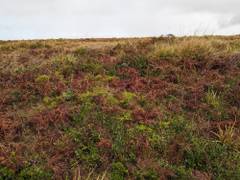
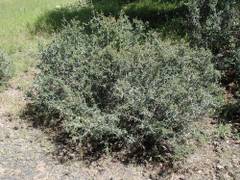
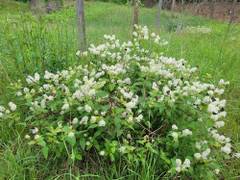
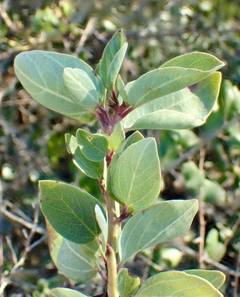
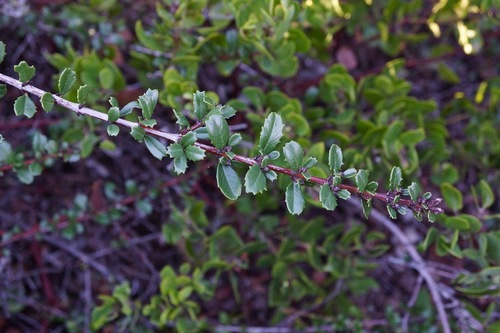
Ceanothus gloriosus var. porrectus is the spreading glory mat, a prostrate evergreen shrub growing 18–30 inches (45–75 cm) tall and spreading 96–144 inches (240–360 cm / 8–12 feet) — the widest-spreading form of C. gloriosus. Dense rounded clusters 1–2 inches (2.5–5 cm) of medium blue to lavender-blue tiny flowers in mid to late spring. Dark green small leathery oval evergreen leaves 0.5–1 inch (12–25 mm) with spiny-toothed margins. Var. porrectus is taller (18–30 inches vs. 12–18 inches) and wider-spreading than the 'Point Reyes' selection of the typical variety — the variety name 'porrectus' means 'extended' or 'spreading.' In the buckthorn family (Rhamnaceae). Native to coastal bluffs of Mendocino and Sonoma counties, northern California. Nitrogen-fixing roots (Frankia symbiosis). Do not irrigate in summer once established — root rot from summer water is the primary failure cause. Short-lived: 8–12 years typical. Tolerates alkaline soil, coastal wind, and salt spray. Full sun required. Non-toxic. Deer-resistant. Drought-mandatory once established. Native. Zones 8–10. Growth rate is moderate to fast.
Native Range
Native to coastal northern California (Mendocino and Sonoma counties), growing on coastal bluffs and sandy slopes.Suggested Uses
Grown as a native coastal groundcover on slopes and banks in zones 8–10. The widest-spreading C. gloriosus form. Do not irrigate in summer. Nitrogen-fixing. Non-toxic. Deer-resistant. Native.How to Identify
Appearance
Size & Dimensions
Height1'6" - 2'6"
Width/Spread8' - 12'
Bloom Information
Mid to late spring (March–May), lasting 3–4 weeks. Dense blue to lavender-blue flower clusters. Pollinator nectar source.
Detailed Descriptions
Flower Description
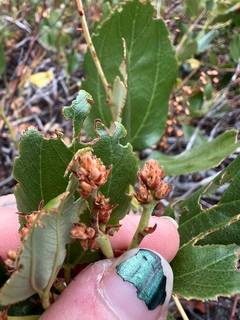
Medium blue to lavender-blue, tiny, in dense rounded clusters 1-2 inches (2.5-5 cm)Foliage Description
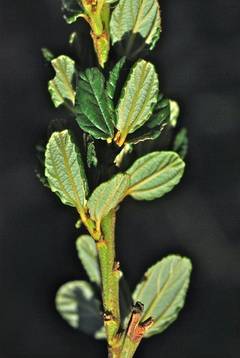
Dark green, small, oval, leathery, 0.5-1 inch (12-25 mm), with spiny-toothed marginsGrowing Conditions
Sun Requirements
Requires 6-10 hours of direct sunlight daily
• Full Sun: 6+ hours of direct sunlight
• Partial Shade: 3-6 hours of direct sunlight
• Full Shade: Less than 3 hours of direct sunlight
Care & Maintenance
Care Guide
Full sun. Do not irrigate in summer once established (root rot). Tolerates coastal wind, salt spray, alkaline soil. Nitrogen-fixing. Short-lived (8–12 years). Non-toxic. Deer-resistant. Native. Zones 8–10.Pruning
Shear lightly after flowering in early summer (June). Do not cut into old bare wood. The prostrate spreading form develops naturally.Pruning Schedule
Prune: June
summer