Campanula, Genus, carpatica, Species,
- Genus & species
bellflower
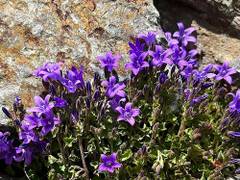
Carpathian Mountains — Poland, Slovakia, Ukraine, and Romania; rocky alpine slopes and meadows
Overview
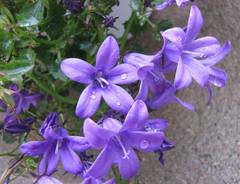
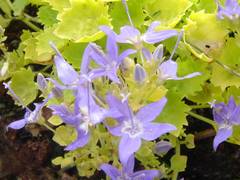
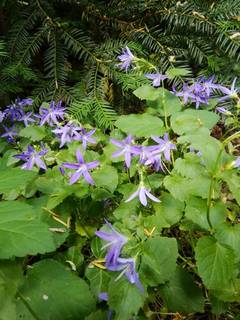
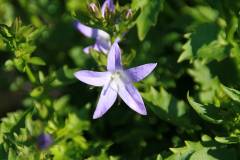
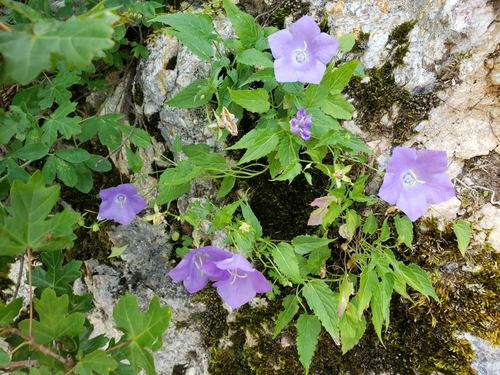
Campanula carpatica is Carpathian bellflower (tussock bellflower), a compact mounding deciduous perennial growing 6-12 inches (15-30 cm) tall and 12-18 inches (30-45 cm) wide. Blue-violet (or white) broad upward-facing open bell-shaped flowers 1.5-2 inches (4-5 cm) on slender stalks in June-August (9 weeks with deadheading). Mid-green ovate to heart-shaped toothed leaves 1-2 inches (2.5-5 cm) forming a low mounding rosette. In Campanulaceae. Carpatica = from the Carpathian Mountains. Native to rocky alpine slopes in the Carpathians. Common cultivars: 'Blue Clips' (blue-violet, 6 inches / 15 cm), 'White Clips' (white, 6 inches / 15 cm). The broad upward-facing bells distinguish C. carpatica from the nodding or pendant-flowered species. A short-lived perennial (3-5 years) — replace as needed or divide. Crown rot in wet heavy soil is the primary disease concern. Requires sharp drainage — crown rot in waterlogged conditions. Slug damage on young growth in spring. Drought-tolerant once established. Deer browse. Non-toxic. Zones 3-8. Full sun to partial shade. Growth rate is moderate.
Native Range
Native to the Carpathian Mountains — Poland, Slovakia, Ukraine, and Romania. Found on rocky alpine slopes and meadows.Suggested Uses
Grown in rock gardens, border fronts, wall crevices, and in containers of at least 2 gallons (7.5 L), spaced 12-18 inches (30-45 cm). Sharp drainage required. Deadhead for extended bloom. Short-lived. Non-toxic. Zones 3-8.How to Identify
Appearance
Size & Dimensions
Height6" - 1'
Width/Spread1' - 1'6"
Bloom Information
Early to late summer (June-August). Blue-violet or white open bell-shaped flowers 1.5-2 inches (4-5 cm) on slender stalks. 9 weeks with deadheading. Deadhead or shear mid-July for second flush. Bee-visited.
Detailed Descriptions
Flower Description
Blue-violet (species type; also white in 'Alba' and 'White Clips'); broad upward-facing open bell-shaped (campanulate), 1.5-2 inches (4-5 cm) in diameter; solitary on slender stalksFoliage Description
Mid-green, simple, ovate to heart-shaped, 1-2 inches (2.5-5 cm), with toothed margins; forming a low mounding rosetteGrowing Conditions
Sun Requirements
Requires 4-10 hours of direct sunlight daily
• Full Sun: 6+ hours of direct sunlight
• Partial Shade: 3-6 hours of direct sunlight
• Full Shade: Less than 3 hours of direct sunlight
Care & Maintenance
Care Guide
Full sun to partial shade (4-10 hours). Well-drained soil pH 6.0-7.5 — sharp drainage required (crown rot in wet soil). Drought-tolerant once established. Deadhead or shear after first flush for repeat bloom. Slug damage in spring. Short-lived (3-5 years). Deer browse. Non-toxic. Zones 3-8.Pruning
Deadhead spent flowers individually or shear back 1/3 after first flush (mid-July) for a second late-summer bloom. Cut all growth to ground in late fall. Divide every 2-3 years to maintain vigor.Pruning Schedule
Prune: July–August
summer
Container Growing
Suitable for container growing
Minimum container size: 2 gallons