Campanula, Genus, lactiflora, Species,
- Genus & species
milky bellflower
Caucasus Mountains and northeastern Turkey
Overview
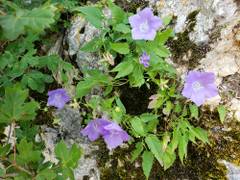
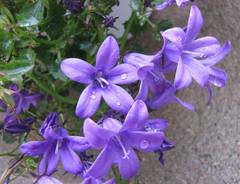
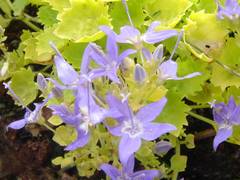
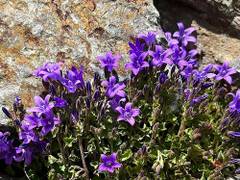
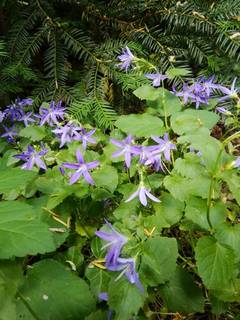
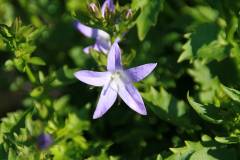
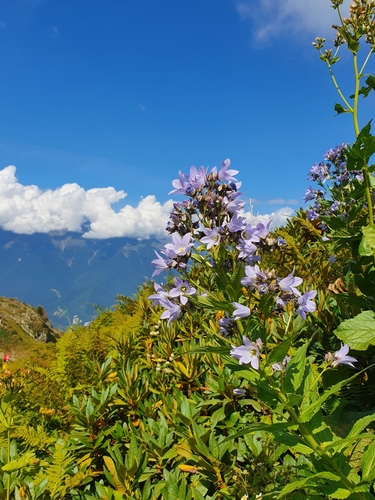
Campanula lactiflora is a tall, upright, clump-forming herbaceous perennial reaching 36–60 inches (90–150 cm) tall with a spread of 18–24 inches (45–60 cm). This is among the tallest herbaceous bellflowers. Stout, erect stems are densely clothed in narrowly ovate, sessile leaves 2–3 inches (5–8 cm) long with serrate margins, medium green, decreasing in size toward the stem tips. Large, branching terminal panicles 6–12 inches (15–30 cm) across bear dozens of open, bell-shaped flowers 1–1.2 inches (2.5–3 cm) across in pale milky blue to lavender-blue (the species name 'lactiflora' means milk-flowered, referencing the pale tone). Bloom extends from June through August, with the heaviest display in June–July. Seedlings vary in flower color from near-white to pale blue to soft lilac. The plant develops a deep, fleshy taproot that resents disturbance; established clumps are long-lived but difficult to move. Tall stems require staking or the support of neighboring plants in exposed sites; wind and heavy rain lodge unsupported stems. Self-sows freely in open, moist soils. Slugs damage emerging shoots.
Native Range
Campanula lactiflora is native to the Caucasus Mountains and northeastern Turkey, occurring in subalpine meadows, forest clearings, and stream margins at elevations of 3,000–8,000 feet (900–2,400 m). It grows in deep, moist soils in regions with cool, wet summers.Suggested Uses
Planted in mixed borders, cottage gardens, and naturalized meadow plantings at 18–24 inch (45–60 cm) spacing. The tall, airy panicles function at the back of borders among other tall perennials such as Delphinium, Thalictrum, and ornamental grasses. Self-sowing produces naturalized colonies in informal settings. Suitable for cutting. Not suitable for containers due to the deep taproot and tall stature. The variable seedling color creates a mixed planting from a single parent.How to Identify
Appearance
Size & Dimensions
Height3' - 5'
Width/Spread1'6" - 2'
Bloom Information
Large, branching terminal panicles 6–12 inches (15–30 cm) across bear dozens of open, bell-shaped, pale milky blue to lavender-blue flowers 1–1.2 inches (2.5–3 cm) across from June through August. Peak bloom is June–July. Cutting spent panicles promotes a shorter second flush on side branches. Seedlings produce flowers in variable shades from white to lilac.
Detailed Descriptions
Flower Description
Pale milky blue to lavender-blueFoliage Description
Medium green, narrowly ovate, sessile, serrateGrowing Conditions
Sun Requirements
Requires 4-10 hours of direct sunlight daily
• Full Sun: 6+ hours of direct sunlight
• Partial Shade: 3-6 hours of direct sunlight
• Full Shade: Less than 3 hours of direct sunlight
Care & Maintenance
Care Guide
Plant in deep, moist, fertile soil in full sun to partial shade. The deep taproot benefits from deeply worked soil at planting time. Consistent moisture throughout the growing season produces the tallest stems and longest bloom. Staking or grow-through supports are necessary in exposed sites; alternatively, plant among sturdy neighbors for support. Cut back spent flowering stems to encourage a second flush. Avoid moving established plants; the deep taproot makes transplanting difficult. Self-sows freely; remove seedlings if uniformity of color is desired. Slugs damage emerging growth in spring.Pruning
Cut spent flowering panicles back to a strong lateral bud to promote a shorter second flush of bloom. Cut all stems to the ground in late fall or early spring after frost kills the foliage. No other pruning required.Pruning Schedule
Prune: July & October
summerfall