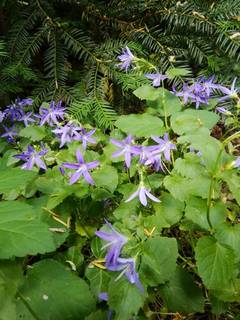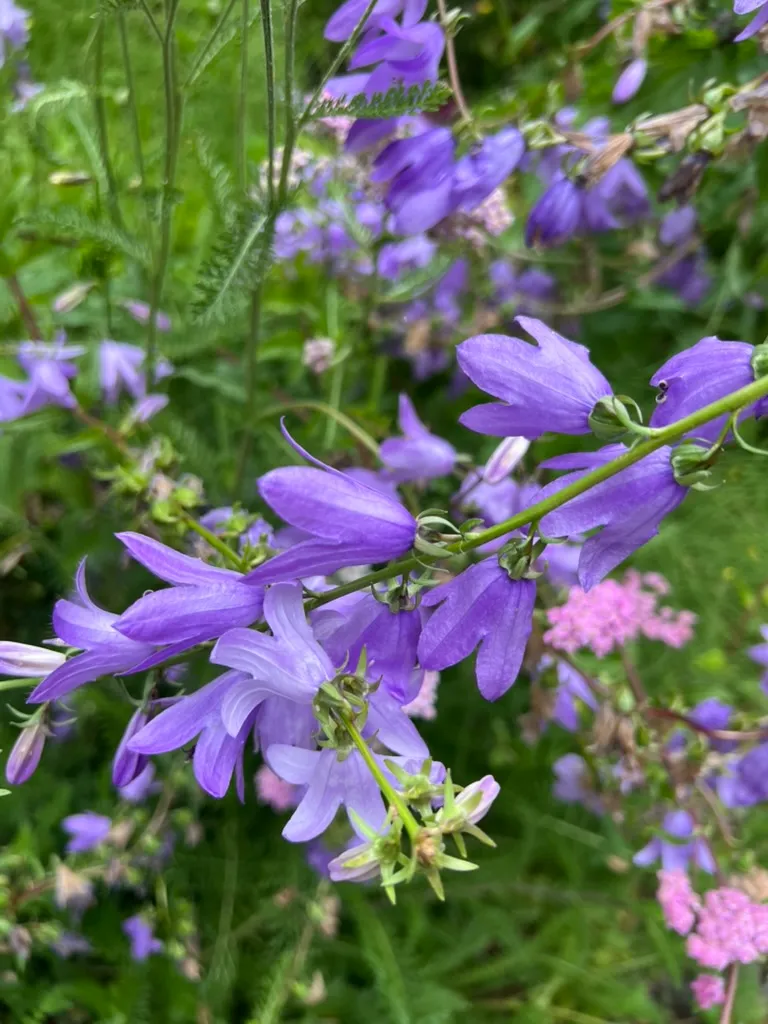
Image 1 of 17
1 / 17
Plant Reference
Campanula, Genus, spp., Multiple species,
- Genus
- Multiple species
bellflowers
Northern Hemisphere with greatest diversity in the Mediterranean and southwestern Asia; many species native to Europe, the Caucasus, and Turkey; a few species native to North America and Asia
Overview
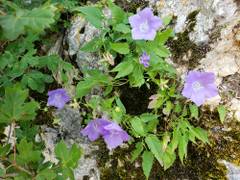
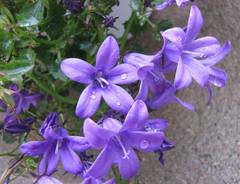
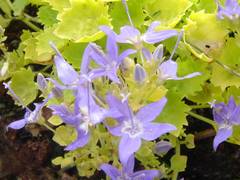
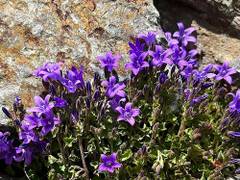
Campanula spp. is bellflowers (campanulas), a large genus of about 400 species of mostly herbaceous perennials (and a few biennials like C. medium). Height ranges from 2 inches to 5 feet (5-150 cm) depending on species. Bell-shaped or star-shaped flowers in blue-violet, purple, lavender, pink, or white from May through August (6 weeks typical, varying by species). Green leaves varying in shape by species. In Campanulaceae. Campanula = little bell. Distributed across the Northern Hemisphere with the greatest diversity in the Mediterranean and southwestern Asia. Wide range of habits — from tiny alpine cushion plants to tall border perennials. Some species (C. rapunculoides) are aggressive invasive spreaders in North America — species identification is critical before planting. Most species are short-lived (3-5 years) but self-seed to maintain populations. Common species: C. persicifolia, C. carpatica, C. portenschlagiana, C. medium, C. glomerata. Non-toxic. Zones 3-8. Part sun to full sun. Growth rate varies by species.
Native Range
Distributed across the Northern Hemisphere with the greatest diversity in the Mediterranean region and southwestern Asia. Many species are native to Europe, the Caucasus, and Turkey; a few species are native to North America (including C. rotundifolia — the harebell) and Asia.Suggested Uses
Grown in mixed borders, rock gardens, cottage gardens, walls, and in containers of at least 3 gallons (11 L), spaced 6-36 inches (15-90 cm) depending on species. Wide range of habits. Check species-specific invasiveness. Non-toxic. Zones 3-8.How to Identify
Appearance
Size & Dimensions
Height2" - 5'
Width/Spread6" - 3'
Bloom Information
Detailed Descriptions
Flower Description
Blue-violet, purple, lavender, pink, or white; characteristically bell-shaped (campanulate — the source of the genus name, from Latin campana = bell) or star-shaped depending on species; 0.5-3 inches (13-75 mm)Foliage Description
Medium green; highly variable in shape by species — linear (C. persicifolia), rounded (C. portenschlagiana), heart-shaped (C. medium), or lance-shaped; basal rosette leaves typically different from stem leavesGrowing Conditions
Sun Requirements
Requires 4-8 hours of direct sunlight daily
• Full Sun: 6+ hours of direct sunlight
• Partial Shade: 3-6 hours of direct sunlight
• Full Shade: Less than 3 hours of direct sunlight
Care & Maintenance
Care Guide
Part sun to full sun (4-8 hours) for most species. Well-drained loam, sand, or chalky soil pH 6.0-7.5. Regular water. Deadhead to extend bloom. Most species short-lived (3-5 years). Avoid invasive C. rapunculoides. Species-specific growing requirements — check individual species. Non-toxic. Zones 3-8.Pruning
Deadhead spent flowers regularly through the bloom season (June-July) to extend flowering and reduce self-seeding. Cut back tall border types by one-third after main bloom for possible second flush. Cut back entire plant in fall (October) or leave stems for winter interest.Pruning Schedule
Prune: June–July & October
summerfall
Container Growing
Suitable for container growing
Minimum container size: 3 gallons