Camellia, Genus, oleifera, Species,
- Genus & species
Tea oil camellia
Overview
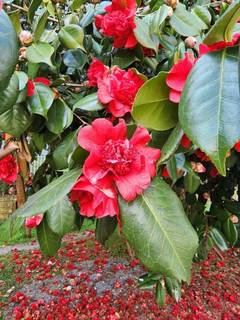
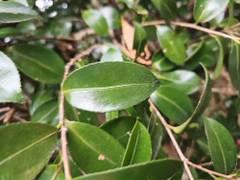
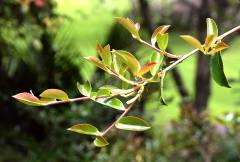
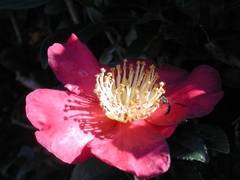
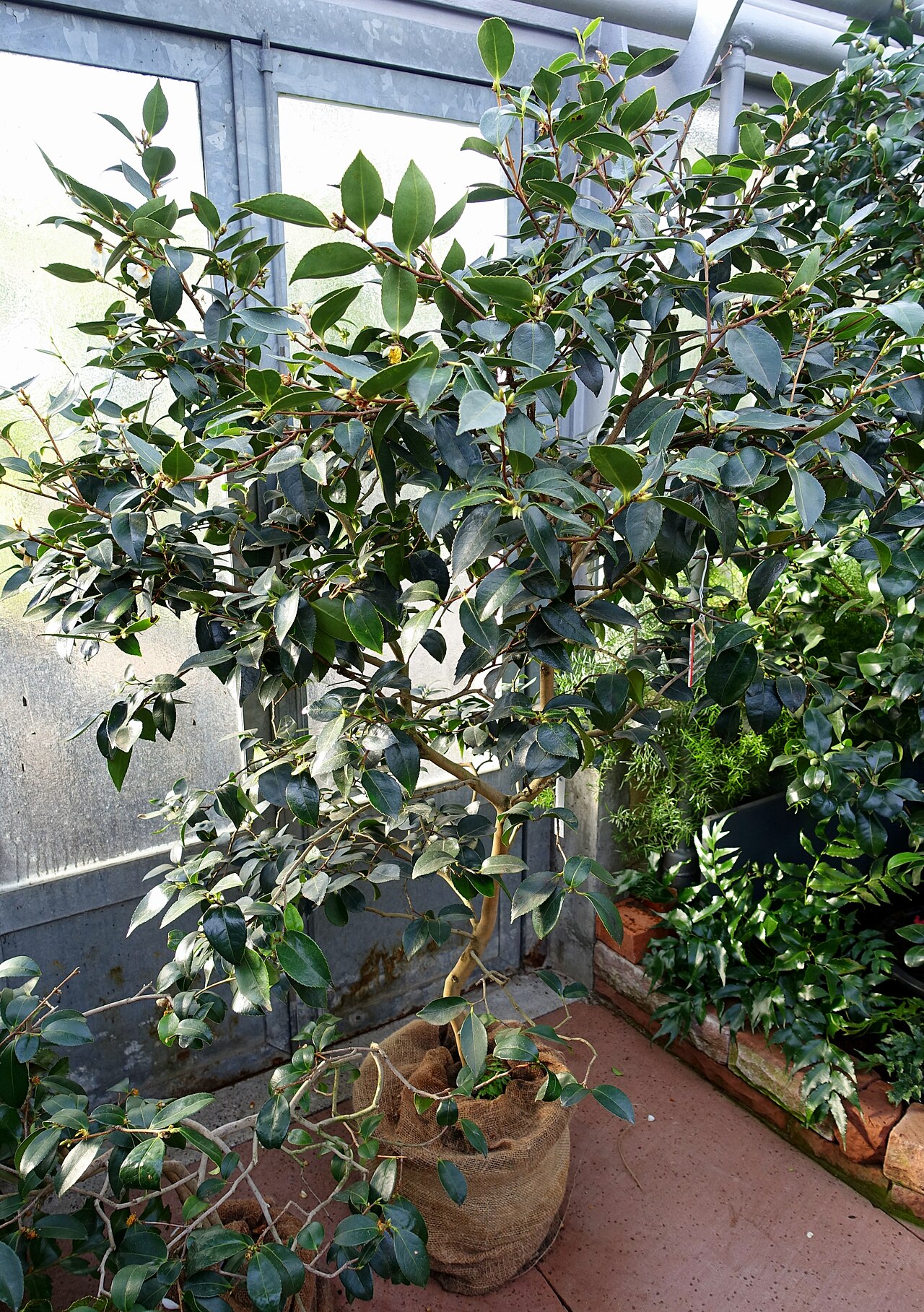
Camellia oleifera is a broadleaf evergreen shrub or small tree reaching 6-20 feet (1.8-6 m) tall and 6-15 feet (1.8-4.5 m) wide, upright to spreading in form, with thin light brown bark that exfoliates in flakes on stems over 1 inch (2.5 cm) thick. Leaves are elliptic to oblong, 1.5-4 inches (4-10 cm) long and 0.8-1.6 inches (2-4 cm) wide, glossy dark green, leathery, with shallow marginal teeth. White flowers 2-3 inches (5-8 cm) across open singly or in pairs at shoot tips, each with 5-8 petals, a central mass of yellow stamens, and a light scent; petals drop individually rather than as a whole flower. Flowering runs September to November. Fruit is a woody capsule 0.8-1.2 inches (2-3 cm) across holding 1-3 brown seeds with 30-40 percent oil content, harvested in China for tea seed oil. Shoot growth is 6-12 inches (15-30 cm) per year. Stems survive to -10F (-23C), which extends cultivation to zone 6, though in that zone autumn freezes arriving before mid-November brown the open flowers while later buds fail to expand. Tea scale and camellia dieback build up where air movement around the plant is restricted.
Native Range
Native to southern and central China, from Fujian and Guangdong north to Hunan, Hubei, and Jiangxi, with cultivation extending into Vietnam and Myanmar. Grows in hill forest and on forest margins from 1,600 to 5,900 feet (500-1,800 m) on acidic soils. Planted across southern China in seed-oil plantations covering several million acres.Suggested Uses
Planted as a screen or hedge at 5-8 foot (1.5-2.4 m) spacing, or as a single specimen in shrub borders in zones 6-9. Grows in containers of at least 15 gallons (57 L) in an acidic bark-based medium. Autumn flowering coincides with the first frosts in zone 6, where open flowers brown within a day of a hard freeze, and plants on alkaline soils develop leaf yellowing that restricts use to acidic sites.How to Identify
Appearance
Size & Dimensions
Height6' - 20'
Width/Spread6' - 15'
Bloom Information
Flowers open September to November in zones 6-9, with peak bloom in October in zones 7-8. Individual flowers last 3-5 days and shed their petals singly; a plant flowers over 4-6 weeks. Autumn temperatures below 28F (-2C) brown open flowers while unopened buds continue to develop. In zone 6 the flowering period is often cut short by early November freezes.
Detailed Descriptions
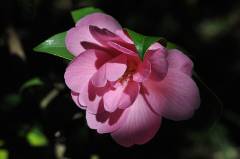
Flower Description
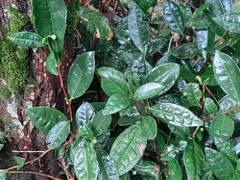
white with yellow stamensFoliage Description
glossy dark greenGrowing Conditions
Sun Requirements
Requires 4-8 hours of direct sunlight daily
• Full Sun: 6+ hours of direct sunlight
• Partial Shade: 3-6 hours of direct sunlight
• Full Shade: Less than 3 hours of direct sunlight
Care & Maintenance
Care Guide
Water 1-1.5 inches (2.5-4 cm) per week for the first two growing seasons; established plants tolerate 2-3 weeks without rain on soils with organic matter above 3 percent. Soil pH of 5.0-6.5 is needed, and leaves yellow between the veins where pH exceeds 7.0. A 2-3 inch (5-8 cm) mulch of pine bark or pine needles holds soil moisture and temperature steady, since the root system occupies the upper 12 inches (30 cm) of soil. Fertiliser formulated for acid-loving plants is applied once in late winter at 0.1 pound (45 g) actual N per 100 square feet (9 sq m). Tea scale colonises leaf undersides in still air, producing yellow stippling above and sooty mould below. Camellia dieback enters pruning cuts and leaf scars in wet weather, killing shoots back to a sunken canker.Pruning
Pruning is done in late winter, after flowering has finished and before new growth begins, since flower buds for the next season form on that new growth from late spring onward. Removing up to one third of the oldest stems at ground level renews plants that have become bare at the base. Shortening shoots by 4-6 inches (10-15 cm) increases branching and bud numbers the following autumn. Cuts made in wet weather admit the fungus that causes camellia dieback.Pruning Schedule
Prune: February–March
winterearly spring
Container Growing
Suitable for container growing
Minimum container size: 15 gallons