Image 1 of 5
1 / 5
© peganum from Small Dole, England, some rights reserved (CC-BY-SA) · Wikimedia Commons
Prunus, Genus, subhirtella, Species, 'Autumnalis', Cultivar,
- Genus & species
- Cultivar
autumn cherry tree
Overview
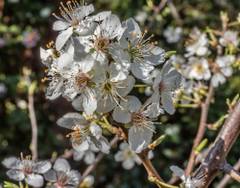
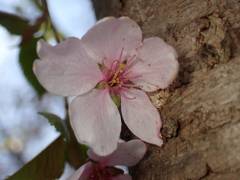
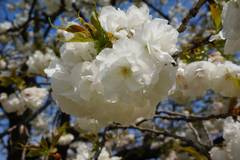
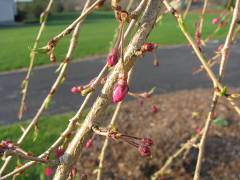
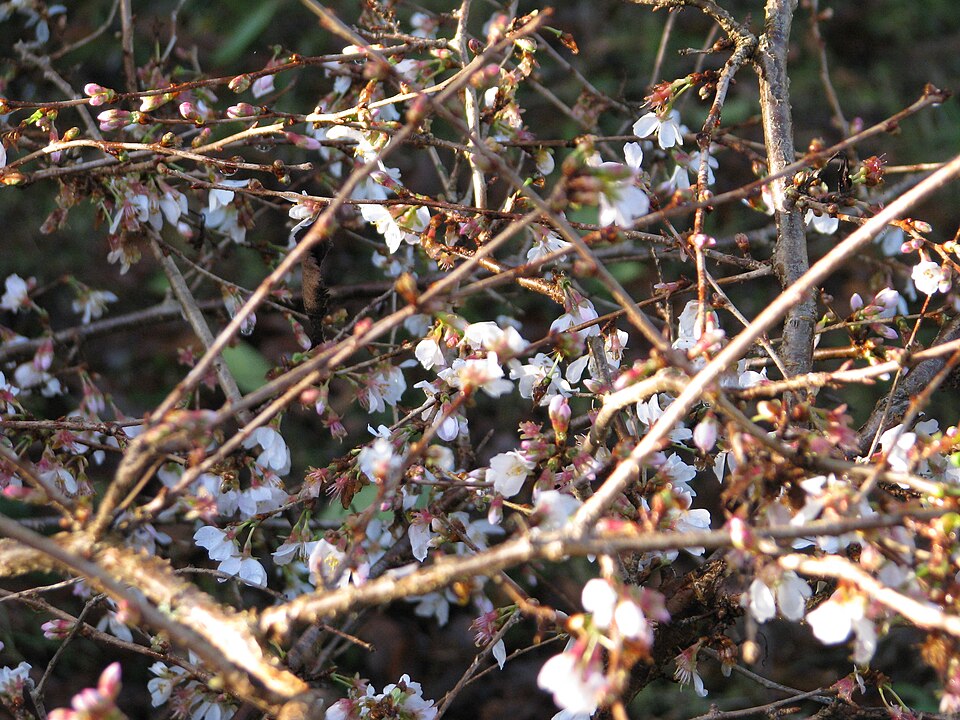
Prunus subhirtella 'Autumnalis' is a deciduous flowering cherry in the Rosaceae family with semi-double pale pink flowers that open in two seasons: a partial flush in autumn (October-November in mild climates) and a full bloom in early spring (March-April). Mature size reaches 20-25 feet (6-7.6 m) tall and 15-25 feet (4.6-7.6 m) wide, with a vase-shaped to broadly rounded crown and slender ascending branches. Flowers are 0.75-1 inch (2-2.5 cm) across, opening pink and fading to nearly white, borne in clusters of 2-5 along the previous year's wood. Leaves are 1.5-3 inches (4-7.5 cm) long, ovate to oblong with serrated margins, dark green in summer turning yellow to bronze-yellow in autumn. Smooth gray-brown bark develops horizontal lenticel banding typical of the genus. Hardy to USDA Zone 5. Susceptible to standard cherry disorders including bacterial canker (Pseudomonas syringae), brown rot (Monilinia spp.), and Japanese beetle defoliation. Lifespan in cultivation is typically 30-40 years, shorter than oaks or maples grown in the same conditions. All parts of Prunus contain cyanogenic glycosides, particularly in seeds and wilted leaves; ingestion can release hydrogen cyanide and is toxic to dogs, cats, livestock, and humans.
Native Range
The species Prunus subhirtella originates from the lower elevations of central and southern Japan, where it grows in temperate broadleaf forest. The 'Autumnalis' selection is a centuries-old Japanese cultivar with extended fall and spring bloom.Suggested Uses
Used as a small to medium specimen tree in residential gardens, lawn settings, and Japanese-influenced landscapes spaced 20-25 feet (6-7.6 m) from buildings. Planted in plant collections and arboreta for the autumn-spring sequential bloom pattern.How to Identify
Appearance
Size & Dimensions
Height20' - 25'
Width/Spread15' - 25'
Bloom Information
Full bloom occurs in early spring, typically late March through mid-April depending on zone. A second smaller flush opens sporadically in autumn between October and November, continuing through early winter in mild years until hard frost arrives. Cool fall weather promotes more reliable autumn flowering; warm fall conditions reduce the second bloom.
Detailed Descriptions
Flower Description
pale pink fading to whiteFoliage Description
dark green turning yellow to bronze-yellowGrowing Conditions
Sun Requirements
Requires 4-12 hours of direct sunlight daily
• Full Sun: 6+ hours of direct sunlight
• Partial Shade: 3-6 hours of direct sunlight
• Full Shade: Less than 3 hours of direct sunlight
Care & Maintenance
Care Guide
Full sun to part sun (4-8 hours direct light) on moist, well-drained loam or sandy loam with pH 6.0-7.5 supports steady growth and flowering. Deep watering once weekly during the first three growing seasons is needed for establishment; mature trees tolerate moderate drought but flower less in extended dry periods. A balanced fertilizer applied in early spring at the dripline, or 2-3 inches (5-7.5 cm) of compost top-dressing, supports vigor. Mulch 2-3 inches (5-7.5 cm) deep is held 2 inches (5 cm) away from the trunk to reduce crown rot risk. Bacterial canker is a frequent cause of decline in flowering cherries; pruning during dry weather and dormant-season cuts reduce disease entry through wounds.Pruning
Pruning takes place during dry weather in late summer (August in Zone 6-7), when wound healing is rapid and bacterial canker pressure is lower than in winter. Crossing branches, watersprouts, and basal suckers are removed; thinning cuts that maintain an open vase form are used instead of heading cuts that produce dense regrowth. Major structural pruning is restricted after age 10-15 years, as flowering cherries respond poorly to large wounds.Pruning Schedule
Prune: August
summer