Artemisia, Genus, spp., Multiple species,
- Genus
- Multiple species
wormwoods and sagebrushes
Temperate Northern Hemisphere, with species in South America and southern Africa
Overview
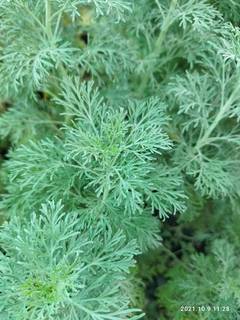
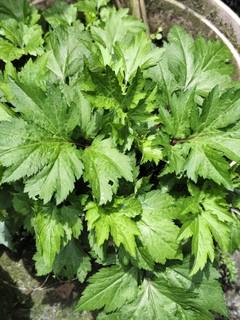
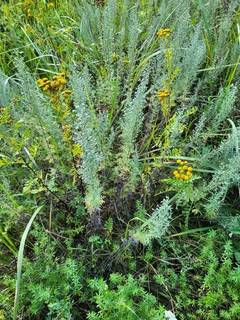
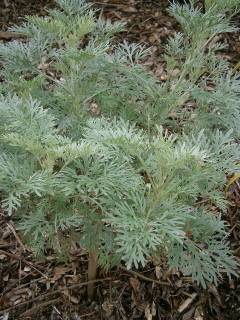
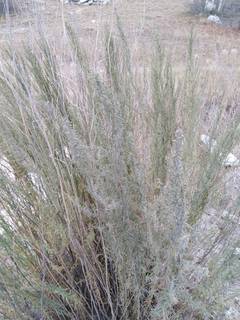
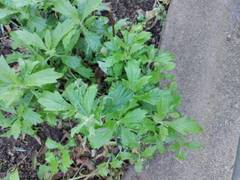
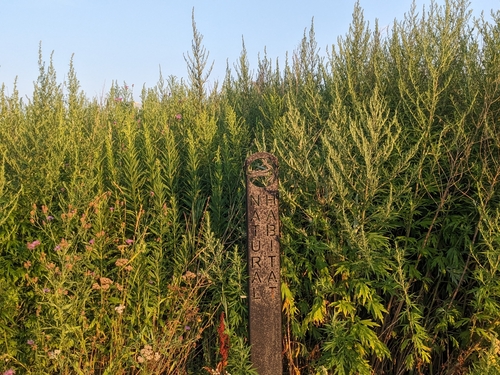
Artemisia is a genus of about 200 to 400 species of aromatic herbs and shrubs in the daisy family, Asteraceae, found mainly across the temperate Northern Hemisphere, with some species in South America and southern Africa. The group includes the wormwoods, mugworts, sagebrushes, and the culinary herb tarragon. Plants grow 0.5 to 8 feet (0.15 to 2.4 m) tall, and most are grown for finely divided, aromatic foliage in shades of silver, gray, and green rather than for the flowers. The flower heads are small, greenish to yellow, wind-pollinated, and not showy, carried in narrow clusters in summer and fall. Artemisia grows in USDA zones 3 to 9 and tolerates heat, drought, and lean, dry soil, while rich or wet soil causes floppy growth and rot. Several species contain thujone and related compounds that are toxic in quantity. Some, such as mugwort A. vulgaris, spread aggressively by rhizome and seed and are treated as weeds.
Native Range
Found chiefly across the temperate Northern Hemisphere, with additional species in South America and southern Africa, growing in dry grasslands, steppe, scrub, and disturbed ground. Big sagebrush A. tridentata dominates vast areas of the western North American interior.Suggested Uses
Grown for silver foliage in borders, gravel and Mediterranean gardens, and as edging and contrast among brighter plants. Tarragon A. dracunculus is grown as a culinary herb, and big sagebrush and its relatives are used in dryland and habitat restoration. Aggressive species are kept out of small beds where they would spread.How to Identify
Appearance
Size & Dimensions
Height6" - 8'
Width/Spread1' - 4'
Bloom Information
Small flower heads open in summer and fall in narrow, branched sprays. The flowers are wind-pollinated and inconspicuous, and the flowering stems are often removed to maintain the foliage. Mugwort and related species shed abundant wind-borne seed.
Detailed Descriptions
Flower Description
greenish to yellowFoliage Description
silver-gray to green, aromaticGrowing Conditions
Sun Requirements
Requires 6-10 hours of direct sunlight daily
• Full Sun: 6+ hours of direct sunlight
• Partial Shade: 3-6 hours of direct sunlight
• Full Shade: Less than 3 hours of direct sunlight
Water & Climate
Water Needs
Drought Tolerance
Drought tolerant when established
Care & Maintenance
Care Guide
Grows in full sun in well-drained, lean soil, and tolerates heat, drought, wind, and salt once established. Rich, moist, or poorly drained soil produces weak, floppy growth and root rot. Hardiness spans USDA zones 3 to 9, and the plants need no fertilizer in average or poor soil. Many spread by creeping rhizomes, so dividing or edging keeps clumps in bounds. Cutting plants back in spring keeps the silver foliage dense. Few pests trouble the aromatic foliage, which deer and rabbits usually avoid.Pruning
Plants are cut back hard in early spring before new growth to keep them dense and to remove winter-worn stems. Light shearing in summer renews floppy or flowered growth. Rhizomatous species are divided or edged to limit their spread.Pruning Schedule
Prune: March–April
early spring
Container Growing
Suitable for container growing
Minimum container size: 2 gallons