Artemisia, Genus, dracunculus, Species,
- Genus & species
French tarragon
Central Asia, southern Russia (species); French tarragon is a sterile culinary selection
Overview
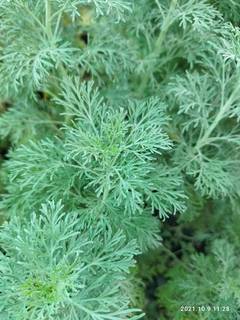
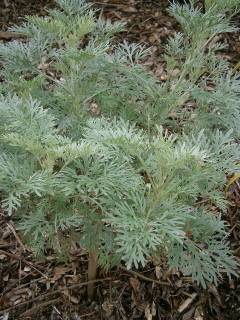
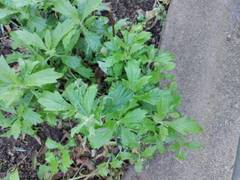
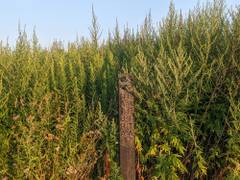
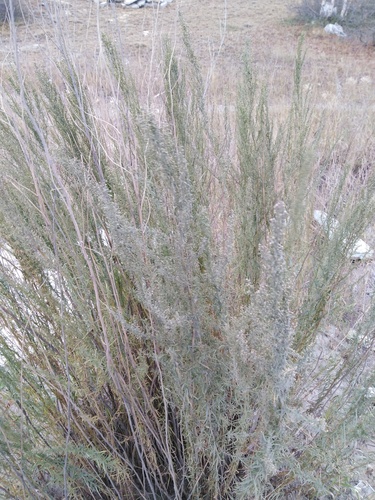
Artemisia dracunculus (French tarragon) is a bushy, rhizomatous perennial herb in the daisy family (Asteraceae) reaching 18–36 inches (45–90 cm) tall with a 12–18 inch (30–45 cm) spread. Stems are slender, branching, smooth, green to brownish. Leaves are narrow, linear to lance-shaped, 1–3 inches (2.5–8 cm) long, smooth, glossy, dark green, with a strong anise-like aroma and flavor when crushed — the flavor is the defining characteristic. French tarragon is a sterile clone that does not produce viable seed; it is propagated exclusively by division or stem cuttings. This distinguishes it from Russian tarragon (A. dracunculus var. inodora), which produces seed but has minimal flavor. Flowers are tiny, greenish-yellow, in small nodding heads, but French tarragon rarely flowers in cultivation and never sets seed. Rhizomes spread slowly, forming a gradually expanding clump. Winter dormancy is complete; top growth dies back entirely in fall. Requires a cold dormancy period (vernalization) and does not perform well in warm-winter climates. In the Pacific Northwest, the cool winters and moderate summers produce foliage with strong flavor.
Native Range
The species Artemisia dracunculus is native to central Asia and southern Russia, occurring in dry grasslands and steppe from 3,000–10,000 feet (900–3,000 m). French tarragon is a sterile culinary selection with no natural distribution; it exists only in cultivation and is propagated by division or cuttings.Suggested Uses
Used in herb gardens, kitchen gardens, balcony containers, and windowsill plantings. The essential culinary herb in French cuisine (béarnaise sauce, fines herbes, tarragon chicken, tarragon vinegar). Container culture in 3+ gallon pots is standard for balcony and patio herb gardens. Planted in dedicated herb sections of vegetable gardens. The sterile clone propagation and taste-test identification are taught in herb identification courses.How to Identify
Appearance
Size & Dimensions
Height1'6" - 3'
Width/Spread1' - 1'6"
Bloom Information
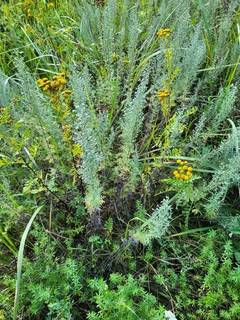
French tarragon rarely flowers in cultivation. When flowers appear (August–September), they are tiny, greenish-yellow, in small nodding heads on branch tips, producing no viable seed. The lack of flowering and seed production is a confirmation of true French tarragon; if the plant flowers freely and sets seed, it is Russian tarragon.
Detailed Descriptions
Flower Description
Greenish-yellow (rarely produced in French tarragon)Foliage Description
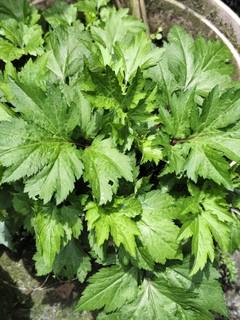
Dark green, narrow, linear to lance-shaped, smooth, glossy; strongly aromatic with anise-like flavorGrowing Conditions
Sun Requirements
Requires 5-10 hours of direct sunlight daily
• Full Sun: 6+ hours of direct sunlight
• Partial Shade: 3-6 hours of direct sunlight
• Full Shade: Less than 3 hours of direct sunlight
Care & Maintenance
Care Guide
Plant divisions or rooted cuttings in spring after the last frost, spacing 12–18 inches (30–45 cm) apart in well-drained soil. Soggy winter soil is the primary cause of death; raised beds or gritty, fast-draining soil improve winter survival. Full sun produces the strongest flavor. Harvest stems throughout the growing season, cutting back to 6 inches (15 cm) to encourage bushy regrowth. Divide clumps every 3–4 years in spring to maintain vigor — the center of the clump tends to die out with age. In containers, use at least a 3-gallon pot with fast-draining potting mix. Mulch lightly over winter in USDA zones 4–5 for root protection.Pruning
Cut all dead stems to ground level in early spring (March–April) before new growth emerges. Harvest-prune throughout the growing season by cutting stems back to 6 inches (15 cm), which encourages bushy regrowth and delays any tendency toward flowering.Pruning Schedule
Prune: March–April
early spring
Container Growing
Suitable for container growing
Minimum container size: 3 gallons
Toxicity
Non-toxicPlanting Guide
Planting Methods & Timing
Planting Method
transplant
Days to Maturity
120–150 days
Plant Spacing
24 inches