Artemisia, Genus, pontica, Species,
- Genus & species
Roman wormwood
Central and southeastern Europe, Caucasus, western Central Asia
Overview
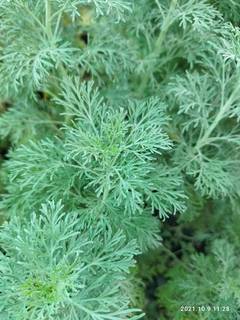
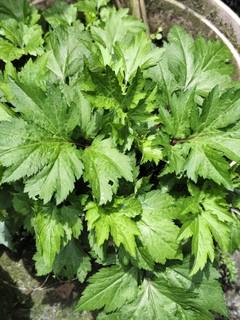
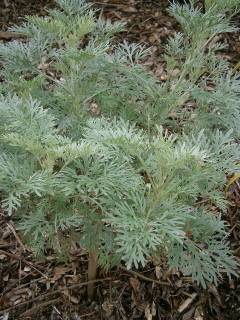
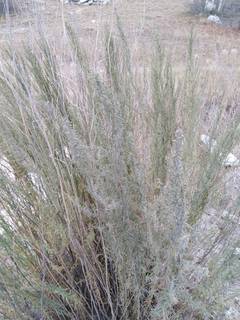
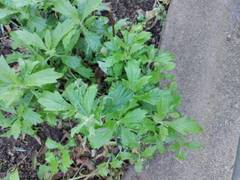
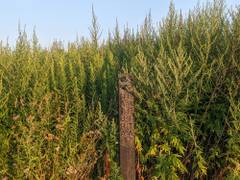
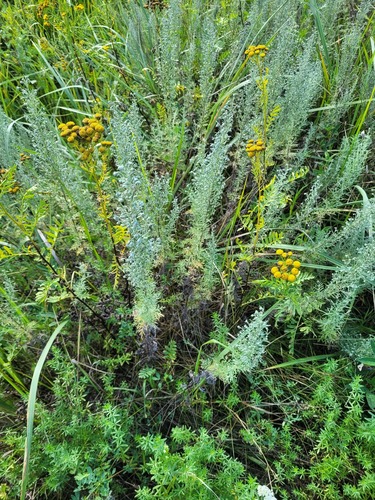
Artemisia pontica is a rhizomatous perennial reaching 12–24 inches (30–60 cm) tall with an indefinite spread through underground rhizomes. Stems are upright and densely clothed in finely divided, feathery foliage. Leaves are bipinnately dissected, 1–2 inches (2.5–5 cm) long, silvery-gray-green, and aromatic when bruised with a milder scent than A. absinthium. The plant spreads steadily by underground rhizomes, extending 6–12 inches (15–30 cm) per year in loose soils, forming a dense, low colony. Small, nodding, globular flower heads, each 0.1 inch (3 mm) in diameter, are grayish-yellow and borne in narrow panicles at stem tips in July–August. Flower stems extend 4–8 inches (10–20 cm) above the foliage mass. The rhizomatous spread can become aggressive in loose, sandy, or irrigated soils, and the plant may invade adjacent plantings within 2–3 years without root barriers or regular edging. In heavy clay soils, spread is slower at 3–6 inches (8–15 cm) per year. Foliage becomes sparse and leggy at the base without annual pruning. This species dies back to the rhizomes after hard frost in zones 4–5 and remains semi-evergreen in zones 7–8.
Native Range
Artemisia pontica is native to central and southeastern Europe, from Austria and Hungary east through Ukraine to the Caucasus and western Central Asia. It grows in dry grasslands, steppe edges, and rocky hillsides at elevations from near sea level to 5,000 feet (1,500 m).Suggested Uses
Planted as a ground cover or edging in dry gardens, gravel gardens, and herb gardens at 12–18 inch (30–45 cm) spacing for full coverage within 1–2 years. The rhizomatous habit suits slope stabilization on dry banks. Contained in raised beds or bordered plantings where spread can be managed. Not suited for mixed borders with less vigorous perennials due to aggressive rhizome expansion.How to Identify
Appearance
Size & Dimensions
Height1' - 2'
Width/Spread2' - 3'
Bloom Information
Small grayish-yellow flower heads appear in narrow terminal panicles in July–August. Flower stems extend 4–8 inches (10–20 cm) above the foliage. Bloom duration is 3–4 weeks. Seed set is moderate; the plant primarily spreads vegetatively through rhizomes.
Detailed Descriptions
Foliage Description
Silvery-gray-green, finely dissectedGrowing Conditions
Sun Requirements
Requires 6-10 hours of direct sunlight daily
• Full Sun: 6+ hours of direct sunlight
• Partial Shade: 3-6 hours of direct sunlight
• Full Shade: Less than 3 hours of direct sunlight
Care & Maintenance
Care Guide
Plant in well-drained soil in full sun. This species tolerates poor, dry, alkaline soils and performs poorly in heavy, wet conditions. Established plants tolerate extended drought. The rhizomatous spread requires management through regular edging, root barriers, or removal of outlying shoots in spring. In irrigated beds or fertile soils, rhizome expansion accelerates and may outcompete neighboring plants. Spider mites occur in hot, dry conditions. Root rot develops in poorly drained winter soils. Cut back annually in early spring to maintain dense foliage.Pruning
Cut all stems back to 3–4 inches (8–10 cm) in early spring before new growth begins to maintain dense, compact foliage. Without annual pruning, the lower stems become bare and the colony develops a leggy, open appearance. Shearing by one-half in mid-summer promotes a flush of fresh silver foliage. Rhizome runners should be severed and removed at the colony edge in spring or fall to control spread.Pruning Schedule
Prune: March–April & July
early springsummer
Container Growing
Suitable for container growing
Minimum container size: 5 gallons