Artemisia, Genus, 'Powis Castle', Cultivar,
- Genus
- Cultivar
Powis castle artemisia
Hybrid of garden origin (Powis Castle, Wales); parent species from southern Europe and the Mediterranean
Overview
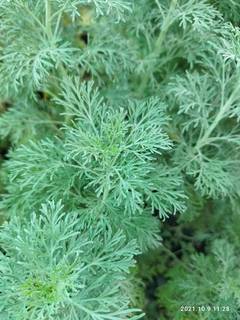
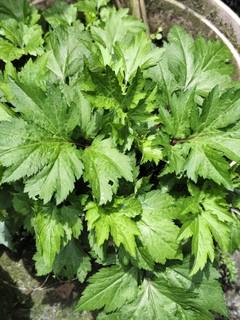
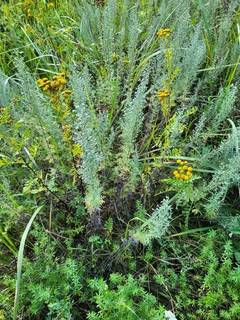
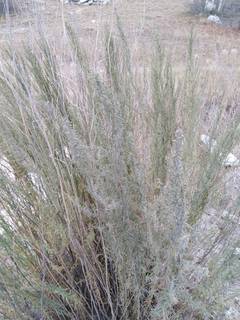
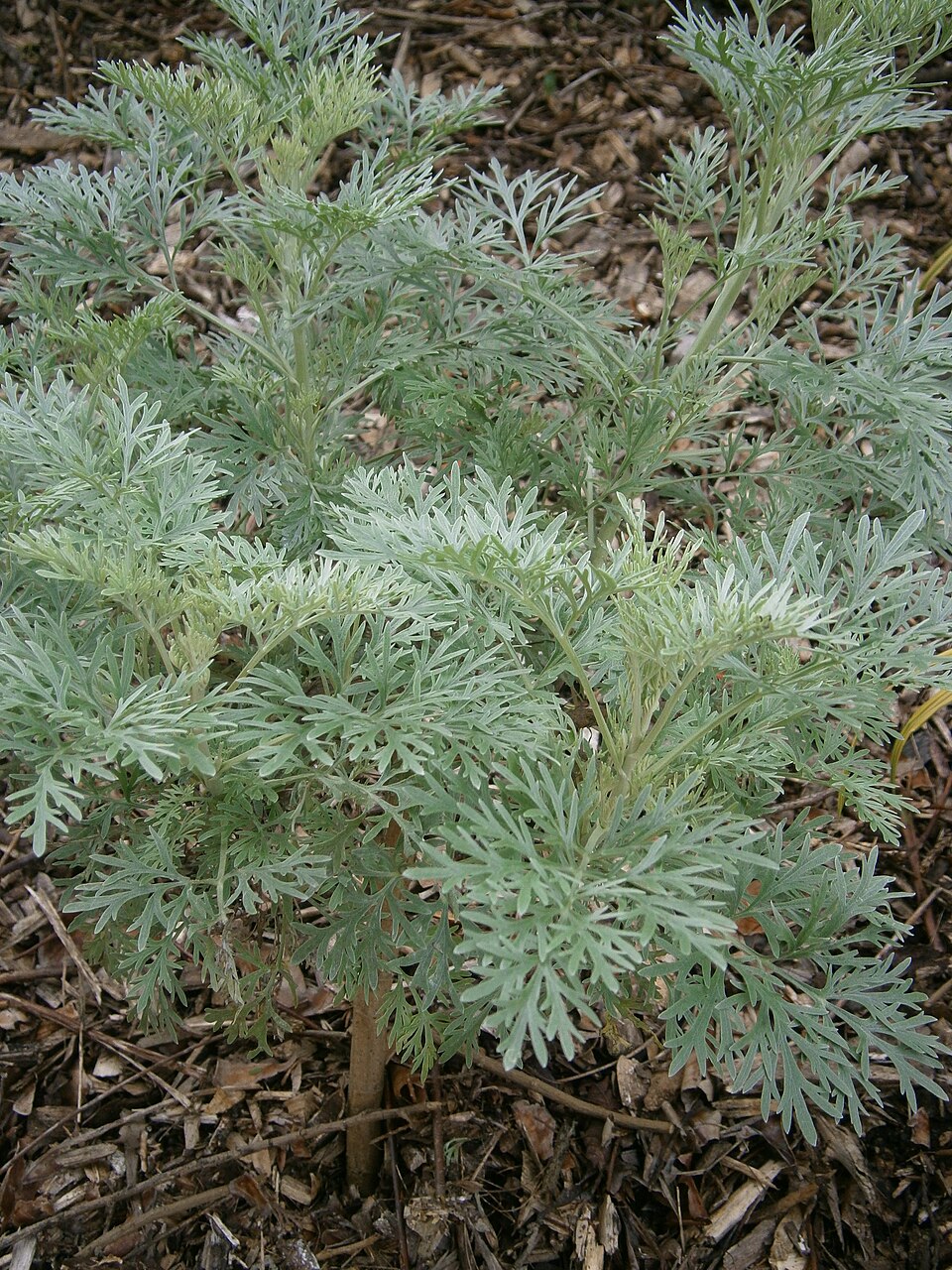
Artemisia 'Powis Castle' is a semi-woody, mounding perennial reaching 24–36 inches (60–90 cm) tall with a spread of 36–48 inches (90–120 cm). The hybrid is thought to be a cross between A. absinthium and A. arborescens; the original plant was cultivated at Powis Castle in Welshpool, Wales. The form is a broad, billowing mound of finely dissected silvery-white foliage. Leaves are tripinnately divided, 2–4 inches (5–10 cm) long, densely covered in short hairs that produce the silver color, and aromatic when bruised. Stems are semi-woody at the base, becoming herbaceous toward the tips. Flowers rarely appear; when produced, they are small grayish-yellow heads in sparse panicles at stem tips in August–September. Plants reach near-mature spread within a single growing season from a one-gallon container. Without annual hard pruning, the semi-woody base becomes leggy and bare, with foliage concentrated at stem tips 18–24 inches (45–60 cm) above the crown. In zones 5–6, plants may die back to the base in severe winters and regenerate from the crown; in zones 4 and colder, winter survival is unreliable. Root rot develops in heavy, wet soils. Foliage silver intensity diminishes and green patches develop in humid climates with poor air circulation.
Native Range
Artemisia 'Powis Castle' is a hybrid cultivar of garden origin, developed at Powis Castle in Welshpool, Wales. The probable parent species, A. absinthium and A. arborescens, are native to southern Europe and the Mediterranean region respectively.Suggested Uses
Planted in mixed borders, Mediterranean-style gardens, and gravel gardens at 36–48 inch (90–120 cm) spacing. The broad silver mound fills space between upright perennials and shrubs in border designs. Suited to dry, exposed sites including south-facing slopes and raised beds. Grows in containers of at least 7 gallons (26 L) with a lean, sharply drained mix; container culture allows relocation to a sheltered location for winter in zones 5–6.How to Identify
Appearance
Size & Dimensions
Height2' - 3'
Width/Spread3' - 4'
Bloom Information
Flowering is rare and inconsistent. When flowers appear, small grayish-yellow heads form in sparse terminal panicles in August–September. Most plants in most climates produce no flowers in a given year. Propagation is by cuttings, as seed set is essentially absent.
Detailed Descriptions
Flower Description
grayish-yellow (rarely produced)Foliage Description
silvery-white, finely dissected, tripinnately dividedGrowing Conditions
Sun Requirements
Requires 6-10 hours of direct sunlight daily
• Full Sun: 6+ hours of direct sunlight
• Partial Shade: 3-6 hours of direct sunlight
• Full Shade: Less than 3 hours of direct sunlight
Care & Maintenance
Care Guide
Plant in well-drained soil with a pH of 6.0–8.0 in full sun. Established plants tolerate drought intervals of 4–6 weeks and grow in poor, dry, alkaline soils. Heavy clay or consistently moist conditions accelerate decline. Overwatering or fertile soils produce lax, floppy growth that opens at the center. Root rot is the primary cause of plant loss, typically in poorly drained winter soils. Spider mites occur in hot, dry microclimates. In humid climates, foliage develops green patches and fungal dieback. Winter hardiness is unreliable below zone 6; mulching the crown with 2–3 inches (5–8 cm) of gravel or coarse material in zones 5–6 buffers winter soil temperature and reduces crown loss.Pruning
Cut all stems back to 6–8 inches (15–20 cm) in mid to late spring (April–May) after hard frost danger has passed and new basal growth is visible. Pruning earlier exposes the semi-woody crown to frost damage. Annual hard pruning maintains a dense, mounded form and prevents the bare-legged appearance that develops without it. Without annual pruning, the center opens and lower stems become leafless within 1–2 years.Pruning Schedule
Prune: April–May
late spring
Container Growing
Suitable for container growing
Minimum container size: 7 gallons