Artemisia, Genus, suksdorfii, Species,
- Genus & species
coastal mugwort
Coastal western North America from British Columbia to California
Overview
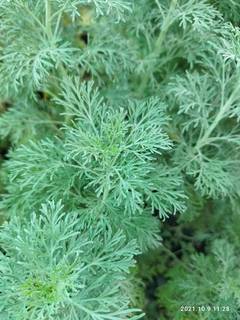
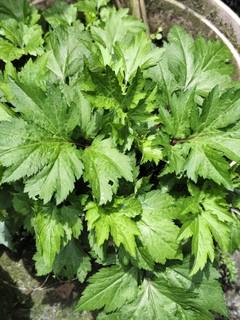
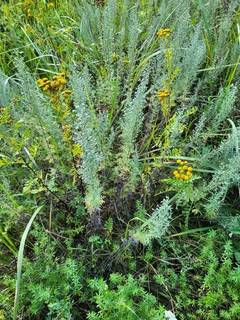
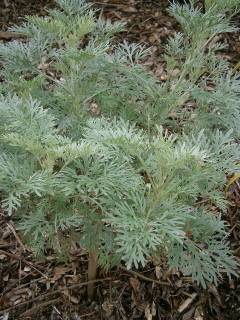
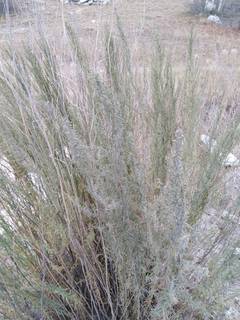
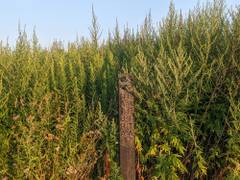
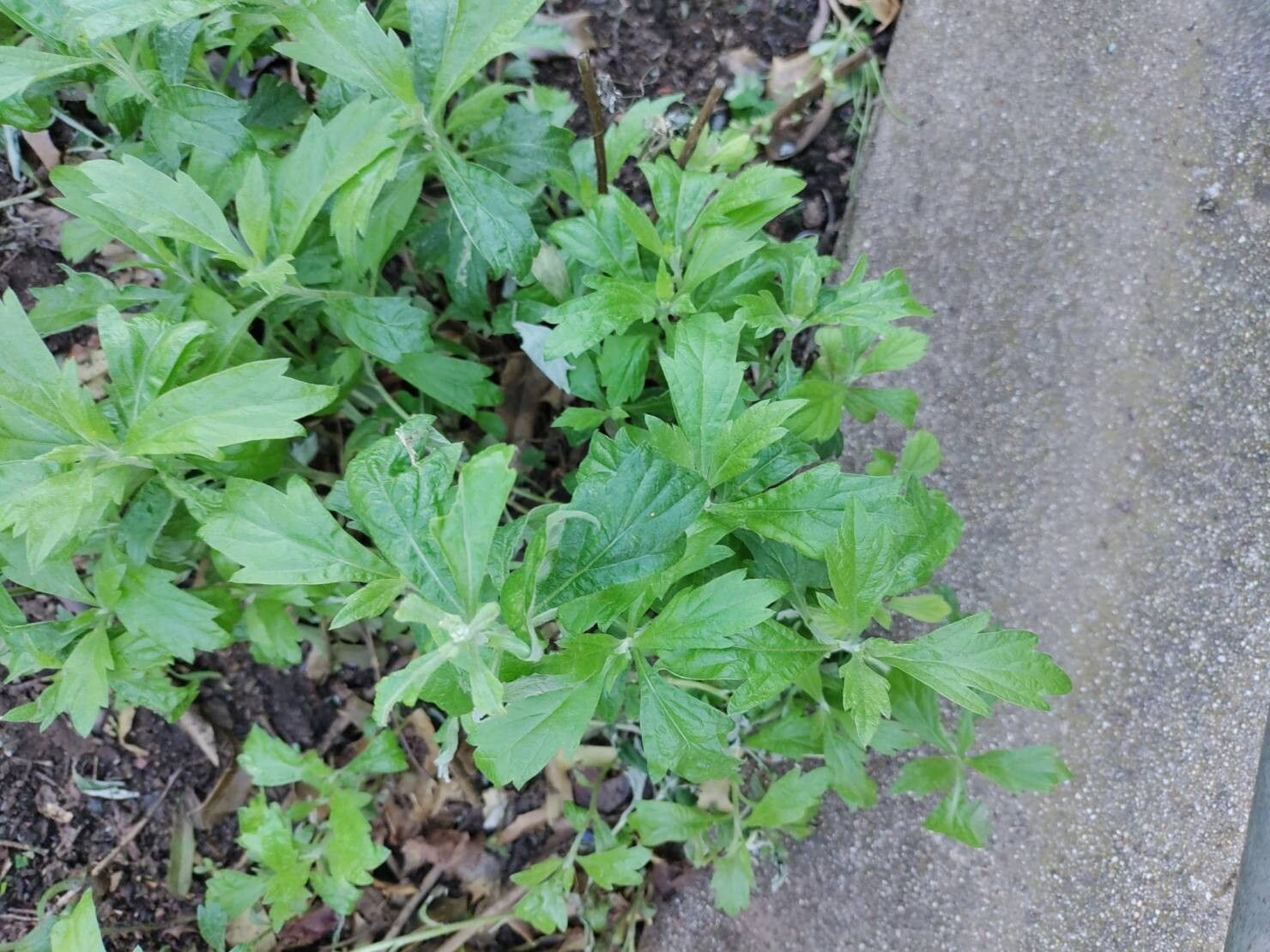
Artemisia suksdorfii is a herbaceous to semi-woody perennial reaching 18-60 inches (45-150 cm) tall and 24-48 inches (60-120 cm) wide via short rhizomes. Stems erect, branched in the upper half, reddish at the base and aromatic when crushed. Leaves alternate, 2-6 inches (5-15 cm) long, lance-shaped to oblong with 3-7 deep narrow lobes; upper surface dark glossy green, lower surface densely white-tomentose. Foliage releases a sage-like aroma when bruised. Flowers small (0.1-0.2 inch / 3-5 mm), pale yellow to greenish-cream disc florets in dense, narrow terminal panicles 6-20 inches (15-50 cm) long. Bloom July through October. Wind-pollinated; pollen is a known allergen in coastal California. Achenes 0.04-0.06 inch (1-1.5 mm) long, ripening in October-November. Spreads 4-8 inches (10-20 cm) per year by short rhizomes. Foliage damaged below 15°F (-9°C); crown survives to 0°F (-18°C). Persists 8-15 years in cultivation on lean coastal soils.
Native Range
Native to coastal western North America from southern Vancouver Island, British Columbia, south through Washington and Oregon to central California. Found in coastal scrub, dune backslopes, sea cliffs, and coastal prairie at sea level to 1,500 feet (450 m) elevation. Most populations occur within 5 miles (8 km) of the Pacific coast.Suggested Uses
Used in coastal native plant gardens, dune restoration, and dry meadow plantings at 24-36 inch (60-90 cm) spacing in zones 7-9. Foliage retains shape in arrangements; stems are cut for fresh and dried use in floral work. Container culture is uncommon due to its rhizomatous spread; in-ground planting is the standard approach.How to Identify
Appearance
Size & Dimensions
Height1'6" - 5'
Width/Spread2' - 4'
Bloom Information
July through October across most of the range, with peak flowering in August and September. Individual flower clusters last 3-4 weeks; total bloom on a single plant extends 8-10 weeks. Pollen release peaks in late August through mid-September and is a contributor to coastal hay fever allergies.
Detailed Descriptions
Flower Description
Pale yellow to creamFoliage Description
Glossy dark green above, white-tomentose belowGrowing Conditions
Sun Requirements
Requires 6-12 hours of direct sunlight daily
• Full Sun: 6+ hours of direct sunlight
• Partial Shade: 3-6 hours of direct sunlight
• Full Shade: Less than 3 hours of direct sunlight
Care & Maintenance
Care Guide
Plants establish from rooted divisions or 1-gallon container stock in fall or early spring at 24-36 inch (60-90 cm) spacing. Mature plants tolerate 6-8 weeks without rain in coastal zones 8-9 once established. Heavy summer irrigation in clay soils causes crown rot. Few pest pressures occur on natural sites; powdery mildew may develop in inland plantings with poor air circulation. Plants reseed and root-spread modestly; colonies expand 6-12 inches (15-30 cm) per year. Lifespan 8-15 years on lean coastal soils, 5-8 years in richer inland gardens.Pruning
Cut stems to 4-6 inches (10-15 cm) above ground in late winter (February-March) before new growth emerges to maintain a compact form. Light tip-pruning in late spring (May-June) increases branching and reduces final flower stalk height by 6-12 inches (15-30 cm). Spent inflorescences can be removed in October to limit wind seed dispersal.Pruning Schedule
Prune: February–March, May–June & October
winterearly springlate spring
Container Growing
Minimum container size: 5 gallons