Image 1 of 8
1 / 8
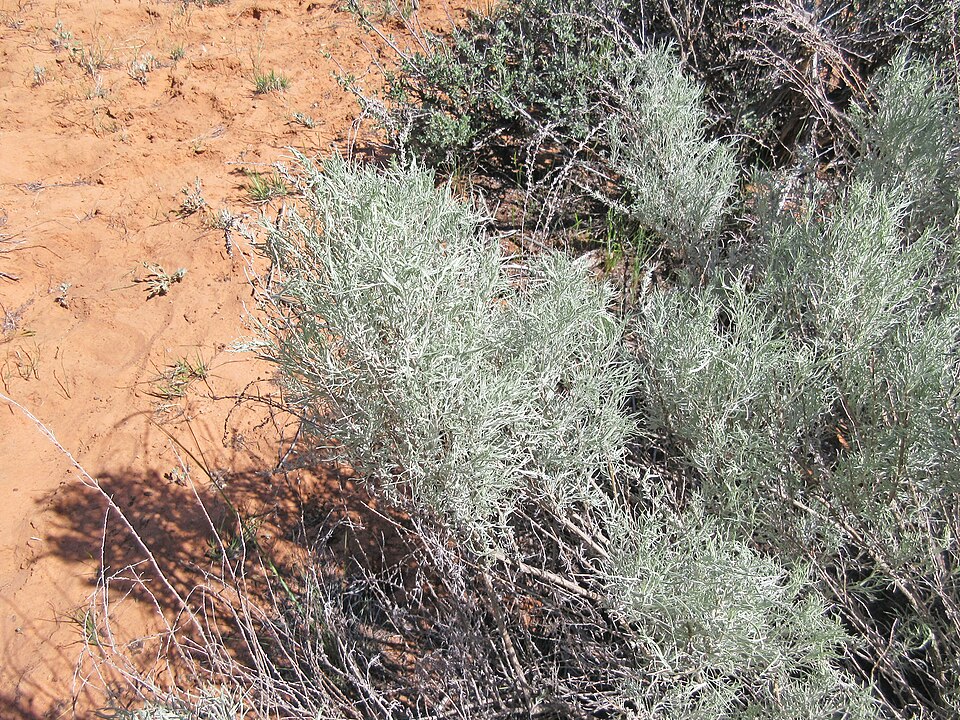
© Andrey Zharkikh from Salt Lake City, USA, some rights reserved (CC-BY) · Wikimedia Commons
Artemisia, Genus, filifolia, Species,
- Genus & species
sand sagebrush
Overview
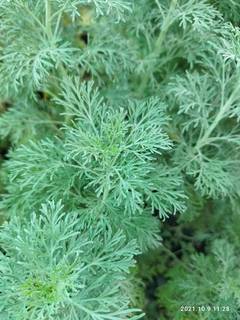
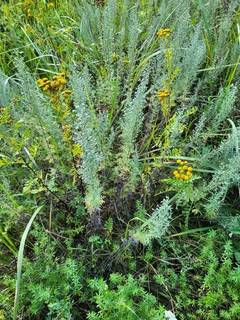
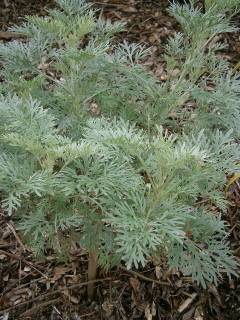
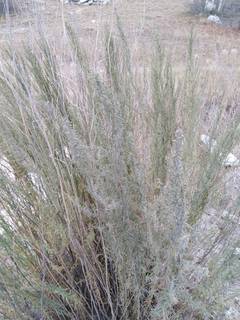
Artemisia filifolia is a rounded, much-branched shrub reaching 2-5 feet (60-150 cm) tall and 2-4 feet (60-120 cm) wide. The foliage is silvery gray-green and aromatic, with leaves divided into thread-like segments 1-2 inches (2.5-5 cm) long that give the plant a soft, feathery texture. Stems are woody at the base and become more flexible toward the tips. Flowering occurs from August to October, when small wind-pollinated flower heads form in narrow clusters along the upper stems; individual heads are pale yellow to greenish and less than 0.1 inch (2-3 mm) across. A. filifolia grows in deep sandy soils across western and central North America, where its extensive root system stabilizes shifting sand. It tolerates drought, heat, and alkaline soils but declines in heavy clay or poorly drained sites. The aromatic foliage is browsed by pronghorn and deer in winter and shelters small mammals and birds. Plants are hardy in USDA zones 4-8 and stay semi-evergreen in mild winters, shedding some foliage during prolonged cold or drought. Growth is rapid on suitable sand, with plants reaching mature size in 2-3 years. One limitation is a short functional lifespan: individual plants often decline after 10-15 years and reseed to maintain stands.
Native Range
Artemisia filifolia is native to western and central North America, from the Great Plains east of the Rocky Mountains south through the southwestern United States into northern Mexico. It occurs naturally on sand dunes, sandhills, and deep sandy flats below about 6,500 feet (2,000 m).Suggested Uses
Used in dryland and native plant gardens, on sandy slopes, and in erosion-control plantings across the Great Plains and Southwest. It is spaced 3-4 feet (90-120 cm) apart in massed plantings for dune and bank stabilization. The aromatic foliage and silvery color are used in xeriscape borders.How to Identify
Appearance
Size & Dimensions
Height2' - 5'
Width/Spread2' - 4'
Colors
Bloom Information
Flowering runs from August to October. The flower heads are wind-pollinated, pale yellow to greenish, and under 0.1 inch (2-3 mm) across, carried in narrow clusters along the upper stems. They release abundant pollen but little nectar, so they draw few insect visitors.
Detailed Descriptions
Flower Description
pale yellow to greenishFoliage Description
silvery gray-greenGrowing Conditions
Sun Requirements
Requires 6-12 hours of direct sunlight daily
• Full Sun: 6+ hours of direct sunlight
• Partial Shade: 3-6 hours of direct sunlight
• Full Shade: Less than 3 hours of direct sunlight
Care & Maintenance
Care Guide
In cultivation, A. filifolia requires full sun with at least 6 hours of direct light and deep, sandy, well-drained soil. It tolerates very low water once established and survives on natural rainfall in zones 4-8. It withstands soil pH from 6.5 to 8.5 and grows poorly in clay or wet ground, where root rot develops. Supplemental irrigation is rarely needed and can shorten the plant's lifespan. Rich soils produce weak, floppy growth, so no fertilizer is added in typical plantings.Pruning
Light pruning in early spring removes winter-killed tips and keeps a compact form. Artemisia filifolia tolerates cutting back by up to one-third of its height but does not regenerate reliably from old, leafless wood, so hard pruning into bare stems often kills branches. Plants are not sheared into formal shapes.Pruning Schedule
Prune: March–April
early spring