Artemisia, Genus, lactiflora, Species,
- Genus & species
white mugwort
Western and central China (Sichuan, Yunnan, Guizhou, Hubei)
Overview
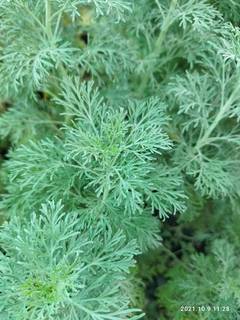
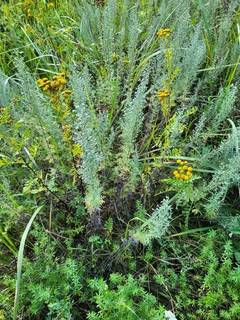
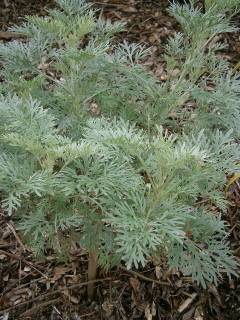
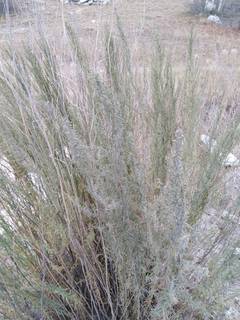
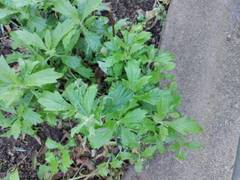
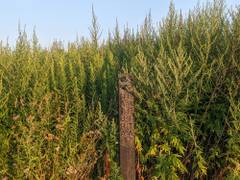
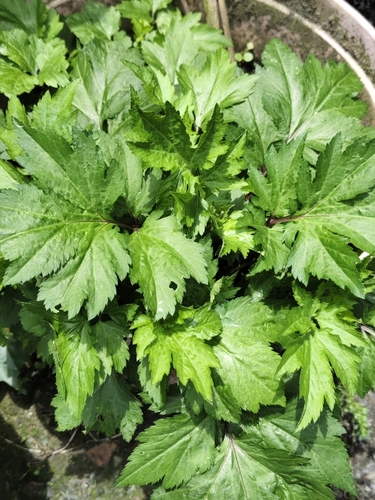
Artemisia lactiflora is an herbaceous perennial reaching 48–72 inches (120–180 cm) tall with a spread of 24–36 inches (60–90 cm). Unlike most Artemisia species, this species has dark green, deeply lobed leaves 4–8 inches (10–20 cm) long rather than silver or gray foliage. Stems are upright, green to dark purple-brown, and stiff enough to remain self-supporting in full sun but prone to flopping in partial shade or rich soils. Large plume-like panicles of tiny creamy-white flower heads appear at the stem tips in August–September, each panicle 12–18 inches (30–45 cm) long. Individual flower heads are 0.1 inch (3 mm) in diameter. Flowers are lightly fragrant. The plant dies back to the ground after hard frost and re-emerges from the crown in mid-spring. Growth rate is moderate; clumps expand 3–4 inches (8–10 cm) per year by short rhizomes. Unlike drought-tolerant Artemisia species, this species requires consistent moisture and wilts rapidly during dry periods exceeding 7–10 days. Stems flop outward in partial shade or when grown in rich, moist soil, requiring staking or companion support.
Native Range
Artemisia lactiflora is native to western and central China, occurring in the provinces of Sichuan, Yunnan, Guizhou, and Hubei. It grows in moist meadows, streamsides, and forest margins at elevations of 3,300–8,200 feet (1,000–2,500 m).Suggested Uses
Planted in perennial borders and mixed plantings at 24–30 inch (60–90 cm) spacing, typically in the middle to back of the border due to its height. Suitable for rain gardens and streamside plantings where consistent moisture is available. The late-season white flower plumes contrast with late-blooming blue and purple perennials in border compositions.How to Identify
Appearance
Size & Dimensions
Height4' - 6'
Width/Spread2' - 3'
Bloom Information
Creamy-white flower plumes appear in August–September. Each terminal panicle is 12–18 inches (30–45 cm) long. Bloom duration is 4–6 weeks. Flowers age to tan and persist as dried seed heads into fall. The Guizhou form blooms at the same time with similar flower color.
Detailed Descriptions
Foliage Description
Dark green, deeply lobedGrowing Conditions
Sun Requirements
Requires 5-10 hours of direct sunlight daily
• Full Sun: 6+ hours of direct sunlight
• Partial Shade: 3-6 hours of direct sunlight
• Full Shade: Less than 3 hours of direct sunlight
Care & Maintenance
Care Guide
Plant in consistently moist, humus-rich soil. Unlike most Artemisia species, this species wilts rapidly during dry periods and requires supplemental water during droughts. Stems flop in partial shade or overly rich soils; staking or grow-through supports installed in early summer prevent lodging. Divide clumps every 3–4 years in spring when the center becomes sparse. Powdery mildew may develop on lower foliage in humid conditions with poor air circulation. Aphids occasionally colonize stem tips in early summer. Cut stems to ground level after hard frost or in early spring before new growth emerges.Pruning
Cut all stems to ground level in late fall after frost or in early spring before new growth begins. Pinching stem tips by one-third in late May or early June reduces final height by 8–12 inches (20–30 cm) and can reduce the need for staking, but delays bloom by 1–2 weeks. Spent flower panicles can be removed after bloom or left as dried seed heads through fall.Pruning Schedule
Prune: March & November
early springfall