Artemisia, Genus, abrotanum, Species,
- Genus & species
southernwood
Southern Europe, Mediterranean region, western Asia
Overview
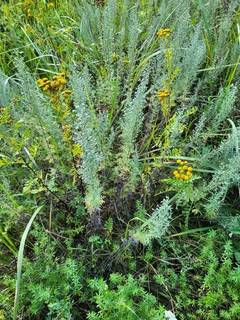
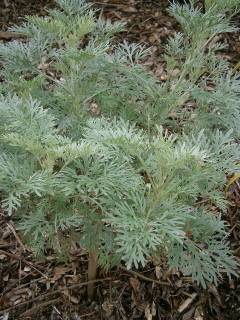
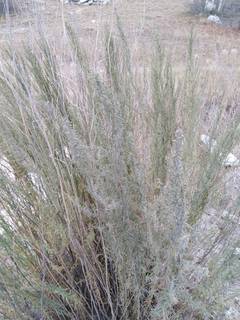
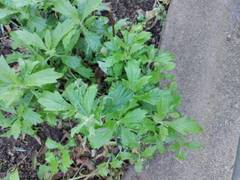
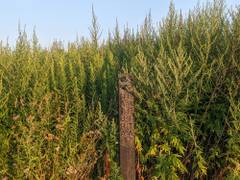
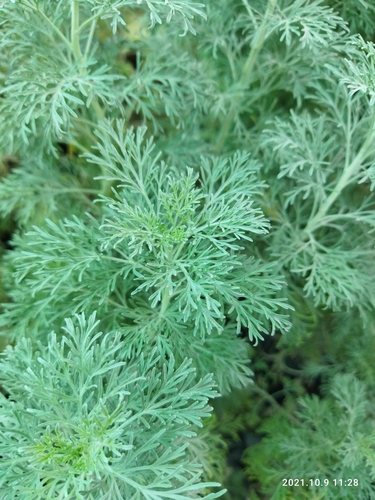
Artemisia abrotanum is a semi-woody, upright perennial reaching 24–48 inches (60–120 cm) tall with a spread of 24–36 inches (60–90 cm). Stems are woody at the base and herbaceous above, becoming brittle and twiggy in winter. Leaves are finely divided, thread-like, 1–3 inches (2.5–8 cm) long, gray-green to green, and strongly aromatic when bruised, releasing a camphor-like or citrus scent. Small, nodding flower heads, each 0.1 inch (3 mm) in diameter, are yellowish and borne in loose panicles at the stem tips in late summer; flowers are inconspicuous and produce negligible seed in cool-summer climates. Growth is rapid in the first season, with plants reaching near-mature height by late summer. The plant develops a woody base over 2–3 years, which can become leggy and bare at the bottom without annual pruning. In zones 4–5, stems may die back to the woody base in winter and regrow from the crown in spring. This species self-seeds in warm-summer climates (zones 7–9) and can spread beyond its original planting area in loose, sandy soils.
Native Range
Artemisia abrotanum is native to southern Europe, from Spain east through the Mediterranean region to western Asia. It has naturalized in parts of North America and northern Europe. In its native range, it grows in dry, rocky soils on hillsides and along roadsides at elevations from near sea level to 3,300 feet (1,000 m).Suggested Uses
Planted in herb gardens, mixed borders, and dry-soil plantings at 24–30 inch (60–75 cm) spacing. The aromatic foliage is used in dried arrangements and as a moth repellent in stored textiles. Suitable for exposed, dry sites including south-facing banks and slopes where other perennials fail. Grows in containers of at least 5 gallons (19 L) with a lean, well-drained mix.How to Identify
Appearance
Size & Dimensions
Height2' - 4'
Width/Spread2' - 3'
Bloom Information
Small yellowish flower heads appear in loose terminal panicles in August–September. Individual flower heads are 0.1 inch (3 mm) in diameter and nodding. Bloom duration is 3–4 weeks. Seed production is sparse in cool-summer climates but can be prolific in zones 8–9.
Detailed Descriptions
Foliage Description
Gray-green, finely dividedGrowing Conditions
Sun Requirements
Requires 6-10 hours of direct sunlight daily
• Full Sun: 6+ hours of direct sunlight
• Partial Shade: 3-6 hours of direct sunlight
• Full Shade: Less than 3 hours of direct sunlight
Care & Maintenance
Care Guide
Plant in well-drained soil in full sun. This species tolerates poor, dry, alkaline soils and performs poorly in heavy clay or consistently wet conditions. Established plants tolerate extended drought. Overwatering or fertile soils produce lax, floppy growth that requires staking. Cut stems back to 6–8 inches (15–20 cm) in early spring before new growth emerges to maintain compact form and prevent legginess. Without annual pruning, the plant develops a bare, woody base with foliage only at the stem tips. Spider mites may occur in hot, dry conditions. Root rot develops in poorly drained winter soils.Pruning
Cut all stems back to 6–8 inches (15–20 cm) in early spring before new growth begins. This annual hard pruning maintains dense, compact growth and prevents the plant from becoming leggy with bare lower stems. Mid-season shearing by one-third in June promotes bushier regrowth. Without annual pruning, the woody base expands and foliage retreats to the upper stem tips within 2–3 years.Pruning Schedule
Prune: March–April & June
early springsummer
Container Growing
Suitable for container growing
Minimum container size: 5 gallons