Artemisia, Genus, vulgaris, Species,
- Genus & species
common mugwort
Overview
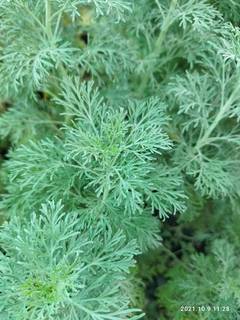
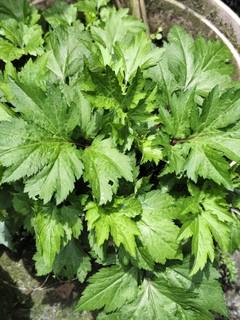
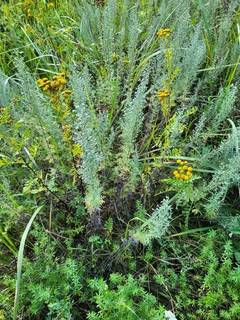
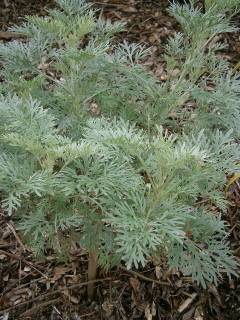
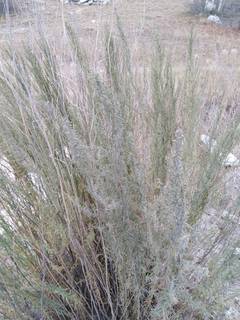
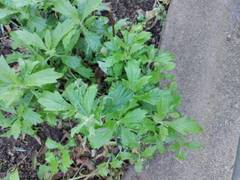
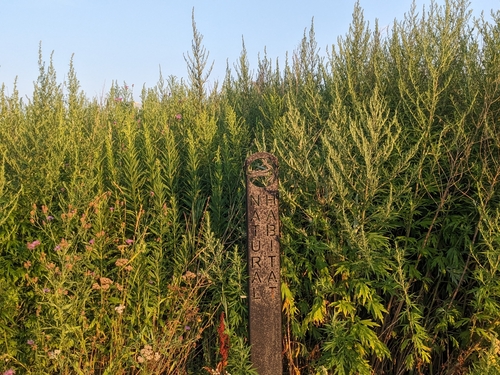
Artemisia vulgaris is an upright, rhizomatous perennial in the aster family, growing 3-6 feet (0.9-1.8 m) tall on grooved, often purplish stems from a branching rhizome system. The alternate leaves are 2-4 inches (5-10 cm) long, deeply pinnately lobed, dark green and nearly smooth above, and densely white-woolly beneath, releasing a sage-like scent when crushed. From midsummer into fall it bears narrow, branched clusters of many small, egg-shaped flower heads 0.1-0.2 inch (2-4 mm) long, each holding tiny reddish to yellowish disc florets that are wind-pollinated and shed large amounts of pollen. The plant spreads aggressively by creeping rhizomes and by seed, forming dense stands that crowd out other vegetation on roadsides, waste ground, and field edges. It tolerates poor, compacted, and disturbed soils and resprouts vigorously from rhizome fragments left after cutting or digging. Established colonies are hard to remove because the rhizomes fragment and regrow. In North America it is treated as an invasive weed across much of the continent. The pollen is a known cause of hay fever in late summer. The aromatic foliage has a long record of use in cooking and herbal traditions, though contact with it causes skin irritation in some people.
Native Range
Artemisia vulgaris is native to Europe, Asia, and North Africa. It has naturalized widely in North America, where it grows on roadsides, vacant lots, and field margins and is listed as a noxious or invasive weed in several states.Suggested Uses
Artemisia vulgaris is grown occasionally in herb collections for its aromatic foliage and historic culinary and medicinal associations. Because of its rhizomatous spread it is usually confined to containers or isolated ground where it cannot escape. In most settings it occurs as a weed of disturbed and waste ground rather than a planted species.How to Identify
Appearance
Size & Dimensions
Height3' - 6'
Width/Spread2' - 4'
Bloom Information
Detailed Descriptions
Foliage Description
dark green above, white beneathGrowing Conditions
Sun Requirements
Requires 5-10 hours of direct sunlight daily
• Full Sun: 6+ hours of direct sunlight
• Partial Shade: 3-6 hours of direct sunlight
• Full Shade: Less than 3 hours of direct sunlight
Care & Maintenance
Care Guide
Artemisia vulgaris grows in full sun to partial shade in almost any soil, including poor, dry, and compacted ground, and needs no watering or feeding once established. It spreads quickly by rhizomes, sending up new shoots well beyond the original clump, so it expands into surrounding ground each year. Cutting the stems does not control it, since the rhizomes resprout, and tilling spreads the fragments. Removing it calls for digging out the whole rhizome system, as pieces left behind regrow. The plant tolerates drought, salt, and roadside conditions. Its rapid spread makes containment difficult once it establishes.Pruning
Cutting stems to the ground before flowering reduces pollen and seed production for that season. The rhizomes are not affected by cutting and continue to spread. Repeated cutting over several seasons weakens stands but rarely removes them.Pruning Schedule
Prune: June–July
summer
Container Growing
Suitable for container growing
Minimum container size: 5 gallons