Artemisia, Genus, tridentata, Species,
- Genus & species
big sagebrush
Overview
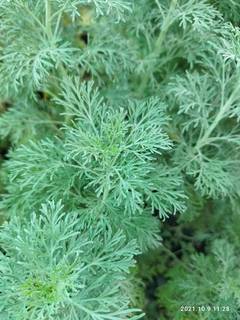
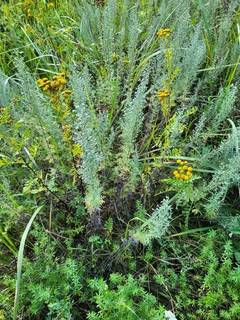
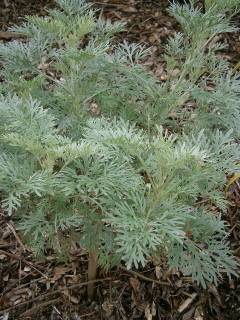
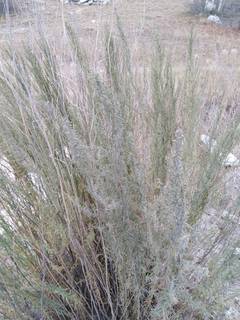
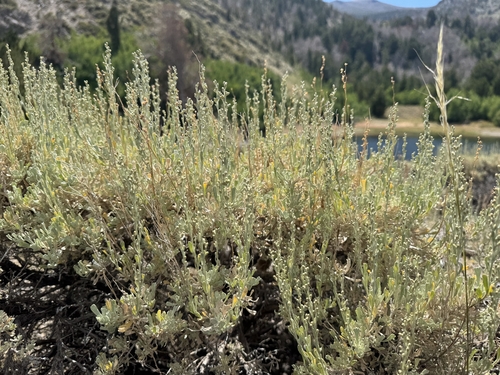
Artemisia tridentata is an aromatic evergreen shrub in the daisy family, growing 2–10 feet (0.6–3 m) tall and 2–8 feet (0.6–2.4 m) wide with a gnarled, branching trunk and shredding grey bark. The wedge-shaped, silvery-grey leaves are 0.4–1.6 inches (1–4 cm) long, usually with three teeth at the blunt tip, and release a strong sage-like scent. From late summer to autumn it bears narrow plumes of tiny yellowish flower heads, each holding a few wind-pollinated florets without showy rays. The shrub dominates vast areas of the cold deserts of western North America, forming the sagebrush steppe that shelters sage-grouse, pronghorn, and many small animals. It has a deep taproot plus shallow lateral roots, drawing moisture from a wide soil zone. The foliage is bitter and contains volatile oils that deter most browsing. Plants are slow-growing and long-lived, persisting for over a century. It releases compounds that suppress competing seedlings beneath the canopy.
Native Range
Native to the cold-desert basins and foothills of western North America, from British Columbia south to Baja California and east to the Dakotas and New Mexico. It covers the Great Basin and Columbia Plateau on dry, well-drained soils from 1,500 to 10,000 feet (450–3,000 m).Suggested Uses
Used in dryland and native plant gardens, erosion control on slopes, and habitat restoration in the western steppe. Suited to xeriscapes and unirrigated banks where summer water is scarce. Grown as cover and forage in wildlife and rangeland plantings.How to Identify
Appearance
Size & Dimensions
Height2' - 10'
Width/Spread2' - 8'
Bloom Information
Flowers from August to October, with wind-pollinated heads releasing pollen in late summer and autumn. The narrow flower plumes rise above the foliage on the season's new growth. Small dry seeds ripen and scatter through winter.
Detailed Descriptions
Foliage Description
silvery grey-greenGrowing Conditions
Sun Requirements
Requires 6-12 hours of direct sunlight daily
• Full Sun: 6+ hours of direct sunlight
• Partial Shade: 3-6 hours of direct sunlight
• Full Shade: Less than 3 hours of direct sunlight
Care & Maintenance
Care Guide
Grows in full sun on dry, well-drained, alkaline soils with a pH of 7.0–8.5, including sandy, gravelly, and rocky ground. It tolerates extreme drought, cold, and wind once established but rots in wet or poorly drained soil. No supplemental water is needed in arid climates, and overwatering shortens its life. Plants are raised from seed sown on the surface in autumn, as light aids germination. Hardy in USDA zones 4 to 9. It is slow to recover from root disturbance, so young plants are set out before the taproot develops.Pruning
Light tip-pruning in spring shapes the shrub and removes winter-killed growth. Cutting back into old, leafless wood rarely produces new shoots, so hard pruning is left undone. Dead branches are taken out as they appear.Pruning Schedule
Prune: April
early spring