Plant Reference
Allium, Genus, cepa, Species, 'Granex', Cultivar,
- Genus & species
- Cultivar
Granex onion
F1 hybrid cultivar (developed by Asgrow Seed Company); the species A. cepa is native to Central Asia
Overview
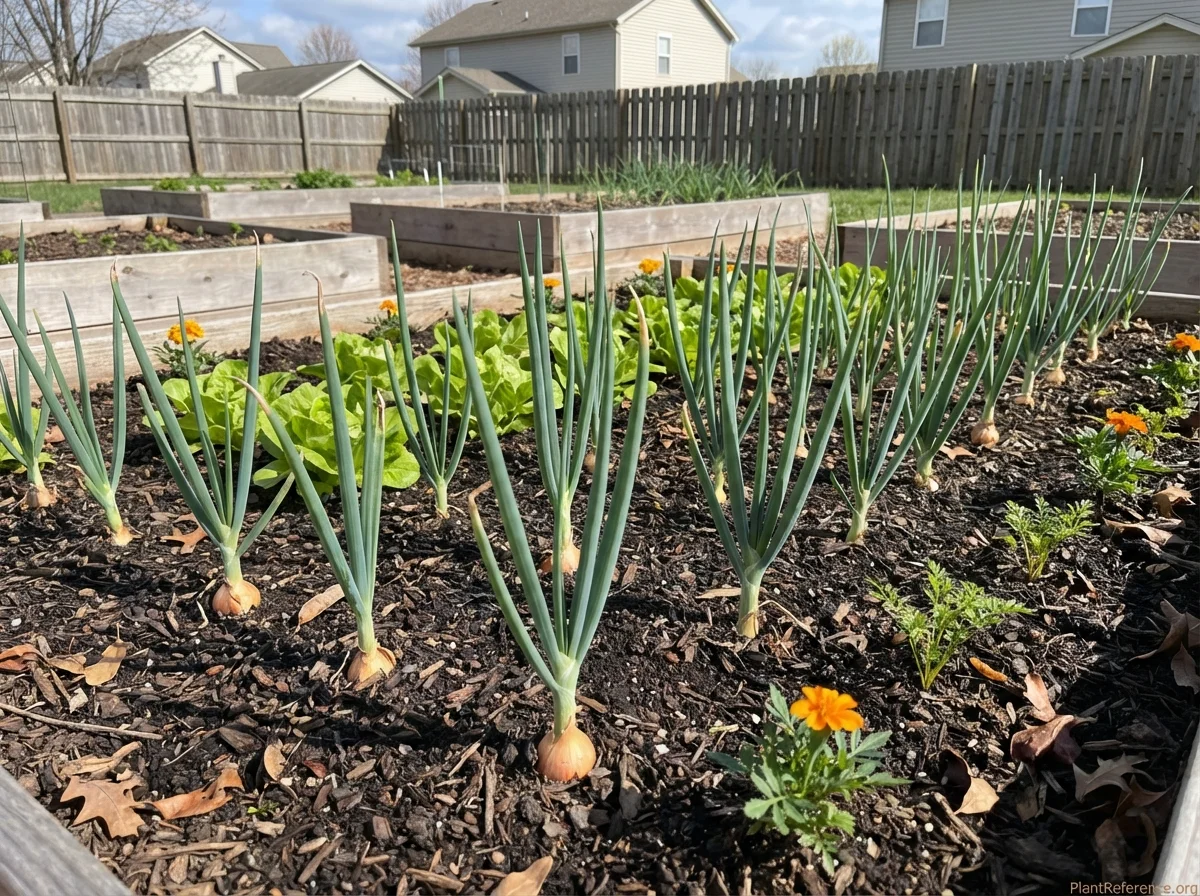
Allium cepa 'Granex' is Granex onion (Vidalia-type onion), a biennial grown as an annual for bulb production, 18-24 inches (45-60 cm) tall and 4-6 inches (10-15 cm) wide. Flattened globe-shaped bulbs 3-4 inches (7-10 cm) diameter with golden-yellow papery skins and white to pale yellow flesh. A sweet onion: reduced sulfur compounds — mild enough to eat raw. Blue-green hollow tubular foliage. In the amaryllis family (Amaryllidaceae). A short-day onion: bulbs at 10-12 hours of daylight (latitudes below 35°N) — the standard type for the deep South, Gulf Coast, and southern California. The Granex type is the parent cultivar behind the Vidalia onion — true Vidalia onions are Granex-type cultivars grown in a 20-county region of southeastern Georgia where low-sulfur soil produces the mild flavor. F1 hybrid — seed does not produce true to type. Stores only 1-2 months — the shortest storage of any onion type due to high water content and thin skins. Use fresh. Start seed indoors 10-12 weeks before last frost, or fall-plant in zones 7-10. Harvest when 50-75% of tops have fallen (90-120 days from transplant). All Allium contain thiosulfates: toxic to dogs, cats, and horses. Thrips and onion maggot (Delia antiqua) are primary pests. Deer-resistant. Full sun. Annual. Growth rate is moderate.
Native Range
F1 hybrid cultivar developed by Asgrow Seed Company. The species A. cepa is native to Central Asia.Suggested Uses
Grown in vegetable gardens and containers of at least 3 gallons (11 L). Short-day sweet onion (latitudes below 35 degrees N). The Vidalia parent type. Stores only 1-2 months — use fresh. F1 hybrid. Toxic to pets. Deer-resistant. Annual.How to Identify
Appearance
Size & Dimensions
Height1'6" - 2'
Width/Spread4" - 6"
Bloom Information
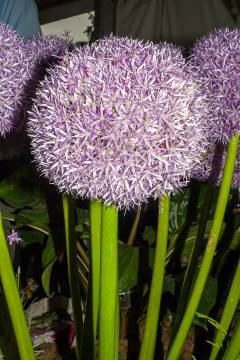
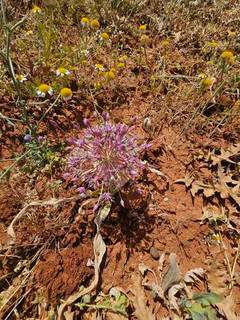
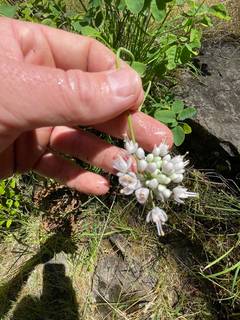
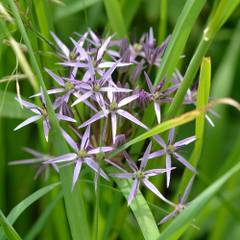
Biennial: flowers in the second year if overwintered — white spherical umbels. Grown as an annual for bulb production. Cut flower scapes at the base if they appear.
Detailed Descriptions
Flower Description
White spherical umbels on a hollow scape — only if allowed to bolt; undesirable in bulb productionFoliage Description
Blue-green, hollow tubular, 0.5-0.75 inch (12-18 mm) diameter; yellows at maturityGrowing Conditions
Sun Requirements
Requires 6-12 hours of direct sunlight daily
• Full Sun: 6+ hours of direct sunlight
• Partial Shade: 3-6 hours of direct sunlight
• Full Shade: Less than 3 hours of direct sunlight
Care & Maintenance
Care Guide
Full sun (6+ hours). Well-drained soil pH 6.0-7.0. Short-day onion — 10-12 hours daylight (latitudes below 35 degrees N). Fall-plant in zones 7-10, or spring-plant in mild climates. Consistent moisture during bulb swelling. Stores only 1-2 months — use fresh. F1 hybrid. All Allium toxic to pets. Deer-resistant. Annual.Pruning
Cut flower scapes at the base if they appear. Do not cut green foliage during growth. Harvest when 50-75% of tops have fallen. Trim tops to 1 inch (2.5 cm). Cure 1-2 weeks only (thin skins).Container Growing
Suitable for container growing
Minimum container size: 3 gallons
Toxicity Warning
Toxic to cats and dogs if eaten; cats are especially susceptible, and raw, cooked or concentrated plant material can damage red blood cells and cause anaemia.Planting Guide
Planting Methods & Timing
Planting Method
both
Indoor Start
10 weeks before last frost
Direct Sow Timing
Early spring 4-6 weeks before last frost (short-day regions); fall planting in zones 7-10
Days to Maturity
90–120 days
Plant Spacing
4 inches