Allium, Genus, schoenoprasum, Species,
- Genus & species
chives
Circumboreal; Europe, Asia, and northern North America including parts of Pacific Northwest; moist meadows and rocky slopes
Overview
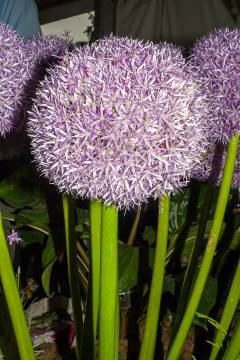
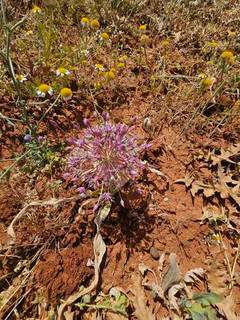
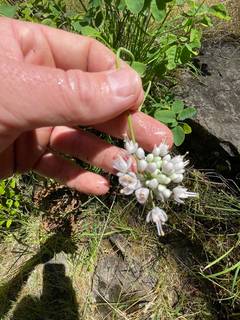
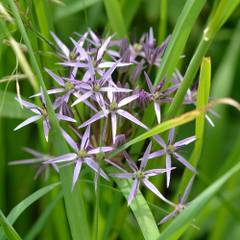
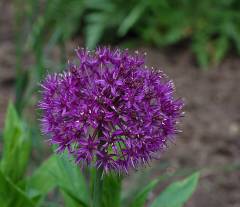
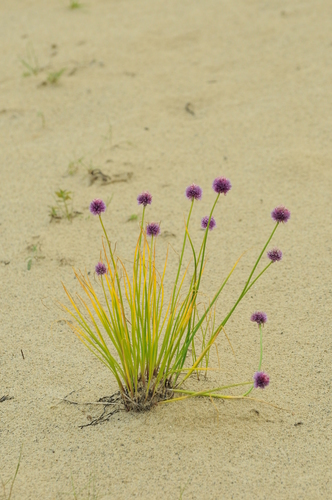
Allium schoenoprasum is a clump-forming, hardy perennial herb native to a wide circumboreal range across Europe, Asia, and North America. Plants reach 10–20 inches (25–50 cm) tall and 10–12 inches (25–30 cm) wide in full growth; growth is rapid in spring. The habit is clumping, with dense tufts of hollow, tubular, dark green leaves 0.1–0.2 inch (3–5 mm) in diameter growing from small underground bulbs. Leaves have a mild onion scent and flavor and are used fresh as a culinary herb. Flowers appear in May–June atop hollow, round stems 10–20 inches (25–50 cm) tall: dense, spherical umbels 1–1.5 inches (2.5–3.8 cm) in diameter, pale to bright purple-pink, composed of 20–30 individual tubular florets. Both leaves and flowers are edible. Foliage dies back to bulbs in winter and re-emerges reliably each spring. In Pacific Northwest conditions, chives perform in a wide range of sites including partly shaded positions.
Native Range
Allium schoenoprasum is native to a wide circumboreal range across Europe, Asia, and northern North America, including parts of the Pacific Northwest, in moist meadows, rocky slopes, and streambanks at low to alpine elevations.Suggested Uses
Grown in herb gardens, vegetable gardens, containers, and ornamental borders where the purple-pink globular flowers also provide ornamental value. Harvest leaves from outer edges of clumps regularly; use fresh or freeze. Both leaves and flowers are used as a culinary garnish. A 6-inch (15 cm) pot is sufficient for container culture on patios and windowsills.How to Identify
Appearance
Size & Dimensions
Height10" - 1'8"
Width/Spread10" - 1'
Colors
Bloom Information
Spherical purple-pink umbels 1–1.5 inches (2.5–3.8 cm) across appear on hollow, round stems 10–20 inches (25–50 cm) tall in May–June. Each umbel contains 20–30 individual tubular florets. Bloom period is 3–4 weeks. Both flowers and leaves are edible; deadheading reduces self-seeding.
Detailed Descriptions
Flower Description
pale to bright purple-pinkFoliage Description
dark green; hollow, tubular leaves with mild onion scentGrowing Conditions
Sun Requirements
Requires 3-10 hours of direct sunlight daily
• Full Sun: 6+ hours of direct sunlight
• Partial Shade: 3-6 hours of direct sunlight
• Full Shade: Less than 3 hours of direct sunlight
Care & Maintenance
Care Guide
Plant in full sun to partial shade in well-drained, moist, fertile soil. Water regularly — more moisture-tolerant than most herbs. Divide clumps every 2–3 years in spring or fall to maintain vigor and prevent overcrowding. Cut foliage back to 2 inches (5 cm) above ground after flowering to encourage fresh leaf growth. Chives self-seed freely if flower heads are not removed; deadhead to prevent unwanted spread. In Pacific Northwest conditions, chives die back to bulbs in winter and re-emerge reliably in early spring.Pruning
Cut foliage back to 2 inches (5 cm) after each harvest or after flowering to stimulate fresh new growth. Deadhead flower stems after bloom to reduce self-seeding. Divide clumps every 2–3 years to maintain vigorous production.Pruning Schedule
Prune: May–September
late springsummerfall
Container Growing
Suitable for container growing
Minimum container size: 1 gallons
Toxicity Warning
Toxic to cats and dogs if eaten; cats are especially susceptible, and raw, cooked or concentrated plant material can damage red blood cells and cause anaemia.Planting Guide
Planting Methods & Timing
Planting Method
transplant
Indoor Start
8 weeks before last frost
Direct Sow Timing
Direct sow March–May; or start indoors 8 weeks before last frost
Days to Maturity
80–90 days
Plant Spacing
8 inches