Image 1 of 16
1 / 16
Plant Reference
Allium, Genus, fistulosum, Species,
- Genus & species
Welsh onion (scallions)
Northwestern China and southern Siberia (mountainous grasslands and rocky slopes); 'Welsh Onion' name derives from German welsch meaning foreign, not from Wales; species is the source of modern bunching onion and scallion crops grown across temperate gardens worldwide
Overview
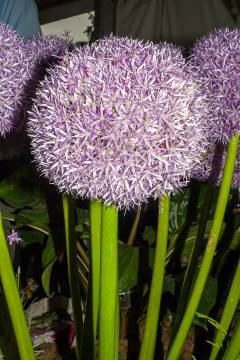
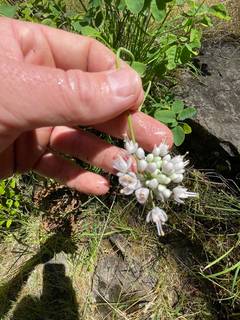
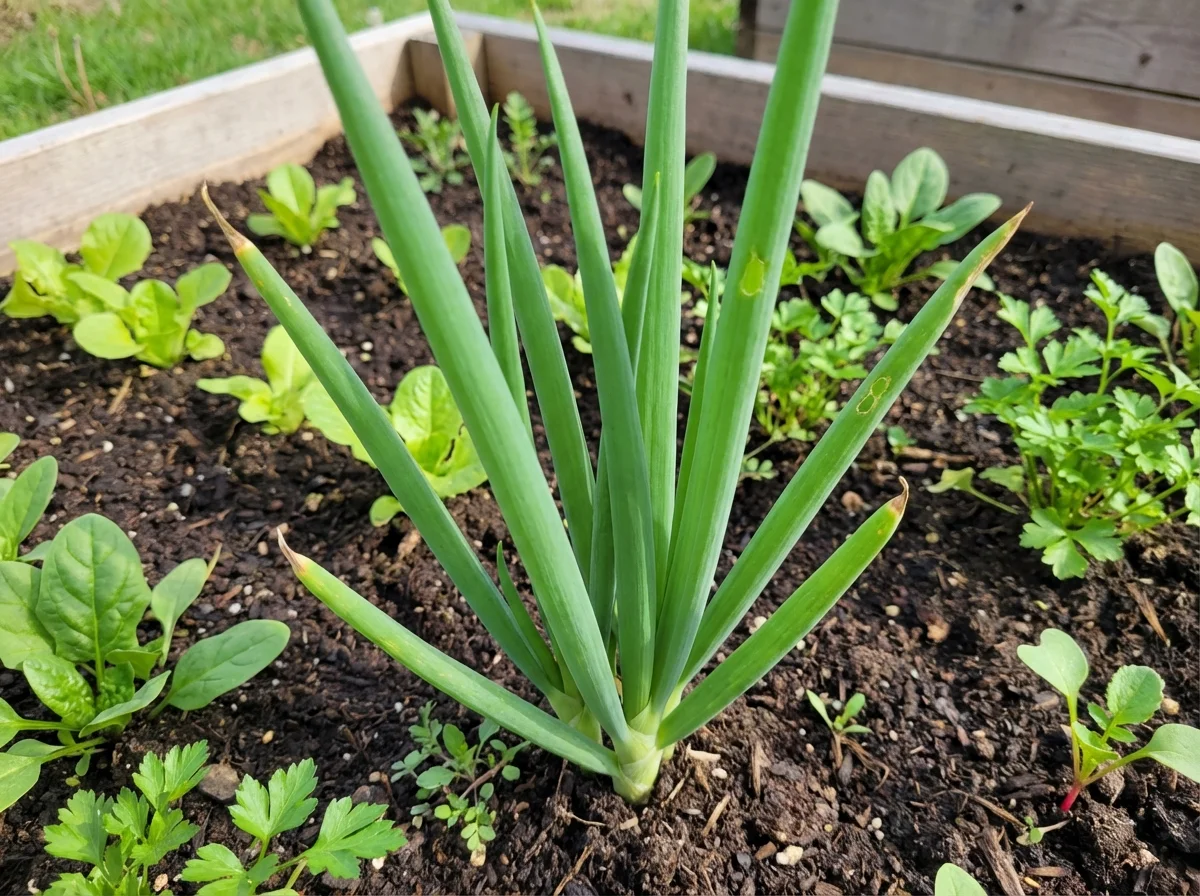
Allium fistulosum is a hardy perennial herb in the amaryllis family (Amaryllidaceae) widely cultivated as an annual vegetable for tender flavorful foliage and crisp white bases. The species produces hollow cylindrical leaves that emerge in dense clumps from elongated white bulbs that remain slender through the season. Dark green leaves are completely tubular and firm to the touch, reaching 12-18 inches (30-45 cm) in height with a hollow interior that separates the species from solid-leaved relatives like garlic chives. Unlike storage onions, A. fistulosum directs energy into producing succulent foliage rather than developing large underground bulbs, which suits the species to continuous cut-and-come-again harvest across the growing season. When allowed to flower, the plant sends up sturdy stalks 24-36 inches (60-90 cm) tall topped with spherical umbels of small star-shaped flowers ranging from white to pale purple. The plant readily forms offsets and spreads into tight clumps, establishing permanent colonies that yield years of harvest from a single planting. All Allium species carry organosulfur compounds toxic to dogs and cats; the species is non-toxic to humans and is widely consumed as a culinary vegetable.
Native Range
Allium fistulosum is native to the mountainous regions of northwestern China and southern Siberia, where the species grows in grasslands and rocky slopes across a wide elevation range. The common name 'Welsh Onion' has no connection to Wales — the name derives from the German word 'welsch' meaning foreign, referring to the species' Asian origins when first introduced to European gardens centuries ago.Suggested Uses
Grown in kitchen gardens, herb gardens, and container plantings where fresh scallions are cut regularly for culinary use. Planted near the kitchen door for convenient harvest during meal preparation. Suited to succession planting every 2-3 weeks for continuous supply of tender young leaves. Grows in raised beds, window boxes, and indoor settings under bright lights or on sunny windowsills. The upright grass-like form serves as an edible border, and the plant interplants well with other herbs and vegetables in intensive growing systems.How to Identify
Appearance
Size & Dimensions
Height1' - 1'6"
Width/Spread6" - 8"
Bloom Information
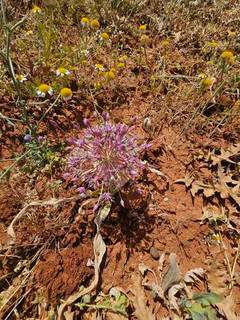
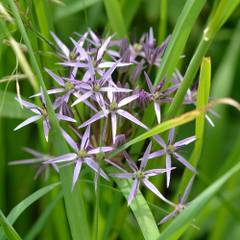
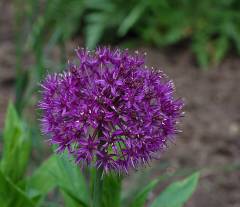
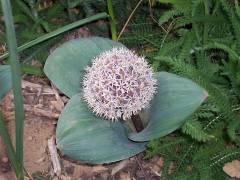
Midsummer through early fall (July-September): spherical umbels of small white-to-pale-purple star-shaped flowers carried on sturdy 24-36 inch (60-90 cm) flower stalks above the leaf clump. Pollinated by bees and other generalist insects. Flowering is typically suppressed in leaf-crop production by cutting flower stalks at emergence, since flowering reduces foliage tenderness.
Detailed Descriptions
Flower Description
White to pale purple small star-shaped flowers carried in spherical umbels at the top of sturdy 24-36 inch (60-90 cm) flower stalks in midsummerFoliage Description
Dark green hollow tubular cylindrical leaves emerging in dense clumps from elongated white bulb bases that remain slender through the season; the hollow tubular leaf cross-section separates the species from solid-leaved relatives like garlic chivesGrowing Conditions
Sun Requirements
Requires 4-10 hours of direct sunlight daily
• Full Sun: 6+ hours of direct sunlight
• Partial Shade: 3-6 hours of direct sunlight
• Full Shade: Less than 3 hours of direct sunlight
Care & Maintenance
Care Guide
Grows with consistent moisture in well-draining soil that prevents bulb rot and fungal issues. Regular watering during dry periods maintains evenly moist but not waterlogged conditions through the growing season. A balanced all-purpose fertilizer applied every 4-6 weeks supports vigorous leaf growth. For tender mild-flavored stems, hilling soil around the base of plants blanches the lower portions white. In colder regions, a 2-3 inch layer of organic mulch around plants in fall protects roots through harsh winters. A. fistulosum tolerates a wide range of soil conditions and adapts to containers, raised beds, and in-ground beds.Pruning
Harvest by cutting outer leaves at soil level with clean sharp scissors or garden shears, leaving the central growing point intact for continuous production. Take leaves as needed through the growing season, removing no more than one-third of the plant at any single harvest to maintain plant vigor. Cutting flower stalks as soon as they appear directs the plant's energy into tender leaf production unless seed collection is the goal. In fall, foliage is allowed to die back naturally in cold regions before cutting to ground level; in milder climates the plant stays evergreen and supports year-round harvest.Pruning Schedule
fall
Container Growing
Suitable for container growing
Minimum container size: 1 gallons
Toxicity Warning
Toxic to cats and dogs if eaten; cats are especially susceptible, and raw, cooked or concentrated plant material can damage red blood cells and cause anaemia.Planting Guide
Planting Methods & Timing
Planting Method
direct sow
Indoor Start
8 weeks before last frost
Direct Sow Timing
early spring, 2-3 weeks before last frost
Days to Maturity
60–70 days
Plant Spacing
2 inches