Allium, Genus, atropurpureum, Species,
- Genus & species
dark purple allium
Native to southeastern Europe and western Asia, ranging from the Balkans through Turkey, the Caucasus, and into Iran; the species grows in dry meadows, rocky slopes, and open scrubland in the native range — habitats that translate to garden conditions of well-drained soil and a dry summer dormancy
Overview
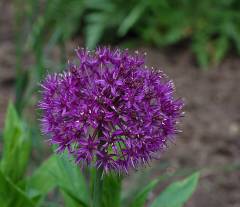
Allium atropurpureum is a bulbous perennial in the amaryllis family (Amaryllidaceae) that sends up erect stems 24-36 inches (60-90 cm) tall from a small round bulb planted 3-4 inches (8-10 cm) deep. Spherical umbels 2-3 inches (5-8 cm) in diameter are composed of densely packed star-shaped florets in dark purple to near-black tones, appearing in late May through June. Blue-green strap-shaped basal leaves emerge in early spring and begin to yellow and die back as flowering peaks, leaving bare stems topped by the flower heads. The dried seed heads hold their form through summer and into fall, adding structural interest after the petals drop. Bulbs multiply slowly by offset division and also self-sow where conditions suit; volunteer seedlings may appear in gravel paths and between paving stones. In wet or poorly drained soils, bulb rot is the primary cause of loss, particularly during summer dormancy when the bulb requires dry conditions. Deer and rodents tend to avoid the onion-scented foliage and bulbs. Plant in groups of 7-15 bulbs for visible impact, since individual stems are narrow and sparse on their own.
Native Range
Allium atropurpureum is native to southeastern Europe and western Asia, ranging from the Balkans through Turkey, the Caucasus, and into Iran. The species grows naturally in dry meadows, rocky slopes, and open scrubland.Suggested Uses
Planted in groups of 7-15 in mixed perennial borders where the dark flower heads contrast with lighter blooms. The dried seed heads work in cut flower arrangements and dried bouquets. Interplants with low-growing perennials like Nepeta or Geranium that fill in as the allium foliage recedes. Container culture works in pots of 3 gallons (11 L) or more with several bulbs per pot.How to Identify
Appearance
Size & Dimensions
Height2' - 3'
Width/Spread4" - 6"
Colors
Bloom Information
Flowering occurs from late May through June, with each umbel remaining colorful for approximately 2-3 weeks. The dried seed heads persist on the stems for months after petals drop, maintaining an architectural silhouette through summer and into fall. No reblooming occurs; the bulb enters dormancy after flowering.
Detailed Descriptions
Flower Description
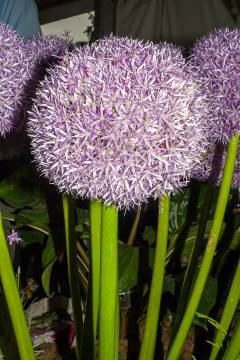
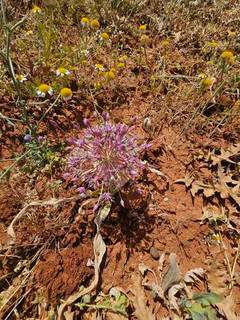
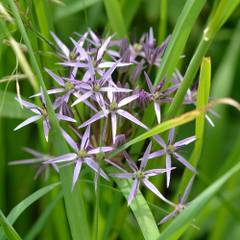
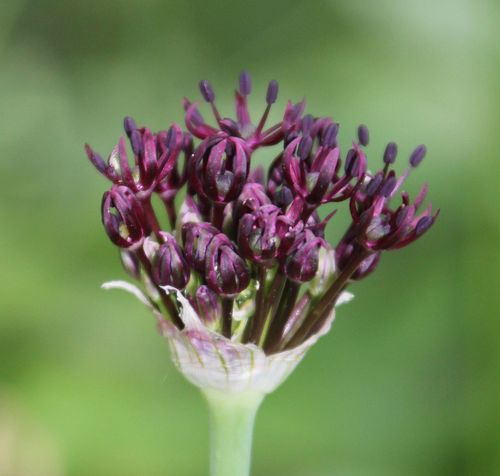
Dark purple to near-black star-shaped florets densely packed in spherical umbels 2-3 inches (5-8 cm) in diameter on tall leafless stems; the dark color separates the species from most other Allium ornamental species, which are violet, lavender, or pinkFoliage Description
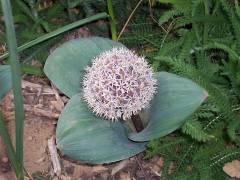
Blue-green strap-shaped basal leaves; the foliage emerges in early spring and begins to yellow and die back as flowering peaks, leaving bare stems topped by the flower headsGrowing Conditions
Sun Requirements
Requires 6-10 hours of direct sunlight daily
• Full Sun: 6+ hours of direct sunlight
• Partial Shade: 3-6 hours of direct sunlight
• Full Shade: Less than 3 hours of direct sunlight
Care & Maintenance
Care Guide
Plant bulbs 3-4 inches (8-10 cm) deep and 4-6 inches (10-15 cm) apart in fall for spring bloom. Full sun and well-drained soil are essential; bulbs rot in wet summer conditions during dormancy. Water lightly in spring during active growth, then withhold irrigation after foliage dies back. No fertilization is required in average soil; a light topdressing of bone meal at planting time supports root development. Allow foliage to yellow and die back naturally to feed the bulb for the following year. Interplant with low perennials or ground covers that conceal the declining leaves.Pruning
Allow foliage to die back naturally; do not cut green leaves, since they are feeding the bulb. Remove dried foliage once fully brown in midsummer. Spent flower heads may be left for dried interest or removed in July if self-sowing is unwanted.Pruning Schedule
Prune: July
summer
Container Growing
Suitable for container growing
Minimum container size: 3 gallons