Image 1 of 3
1 / 3
Plant Reference
Allium, Genus, cepa, Species, 'Australian Brown', Cultivar,
- Genus & species
- Cultivar
Australian brown onion
Central Asia (Allium cepa); Australian Brown is an open-pollinated cultivar of Australian origin
Overview
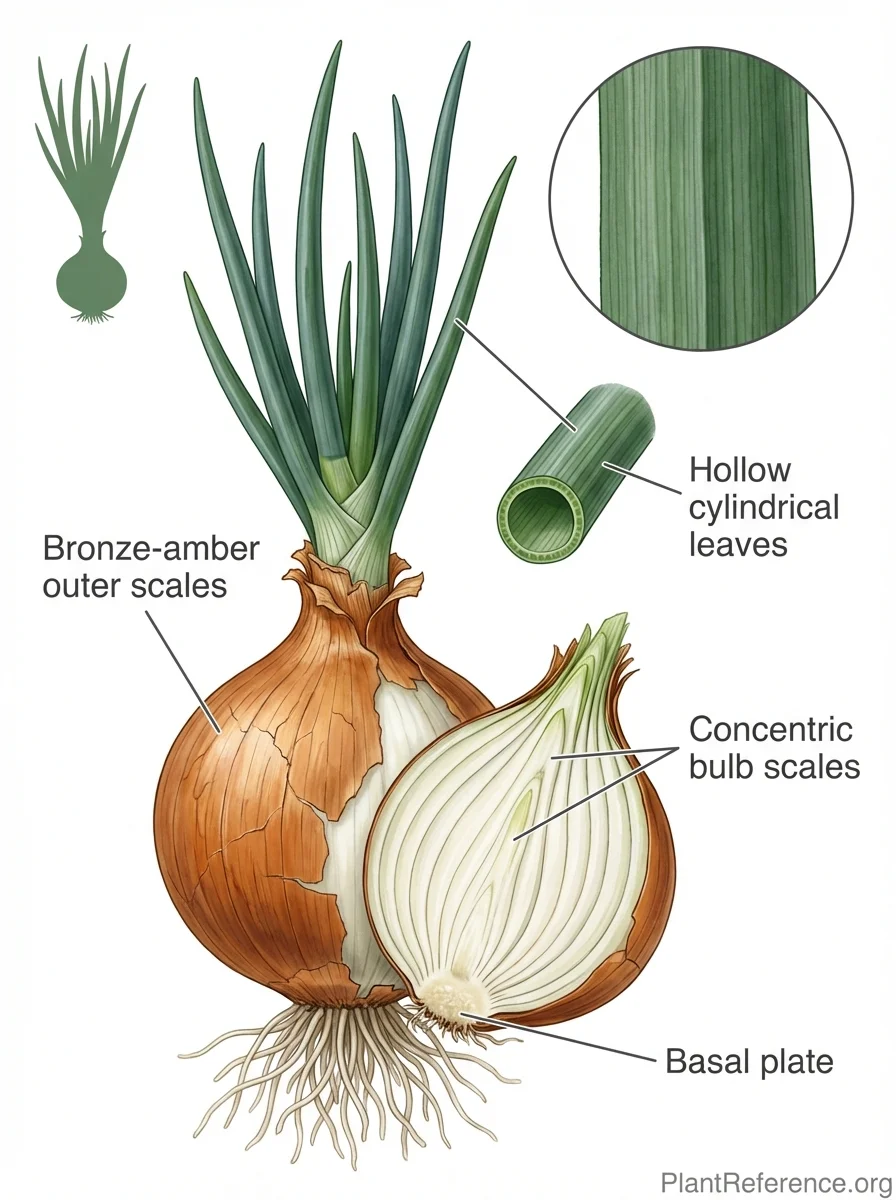
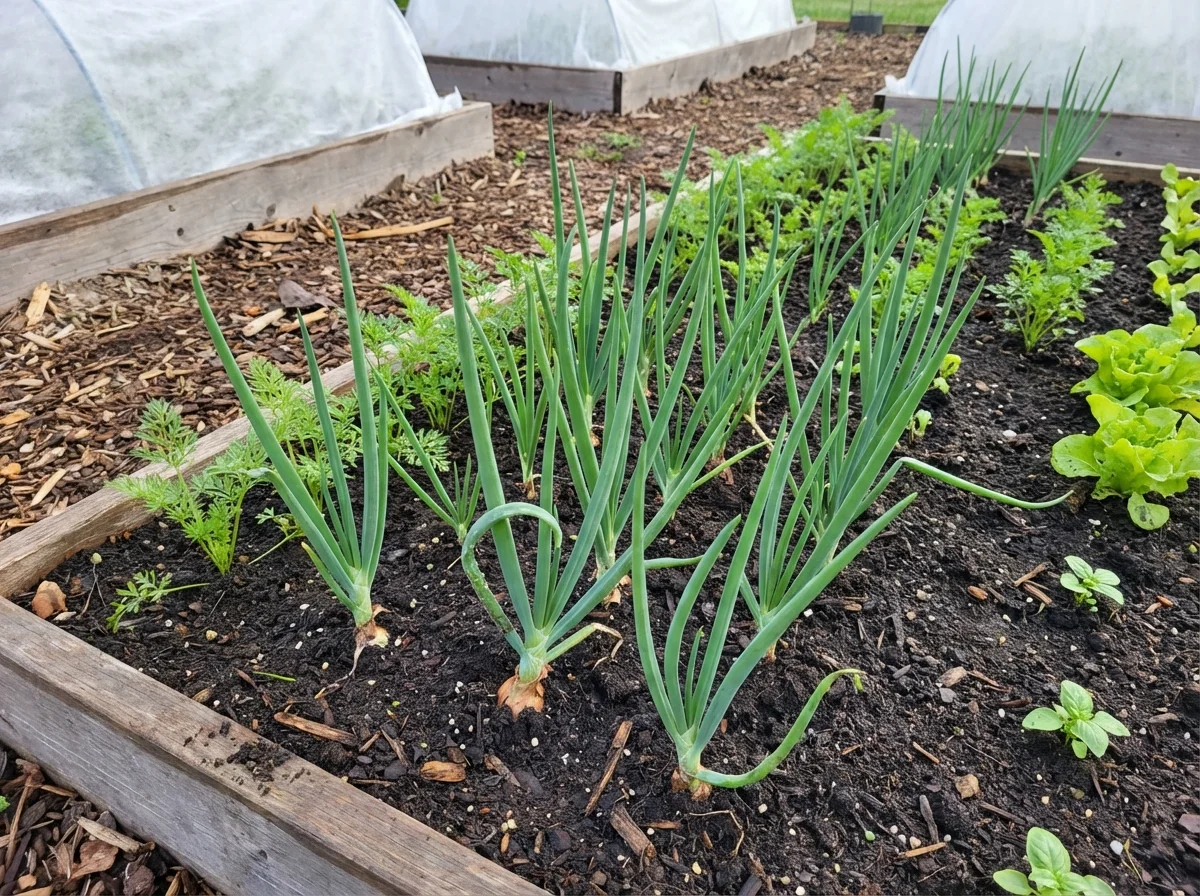
Allium cepa 'Australian Brown' is a biennial bulb onion in the amaryllis family (Amaryllidaceae) grown as an annual for bulb production, reaching 18-24 inches (45-60 cm) tall with a 6-8 inch (15-20 cm) spread and an upright habit. The cultivar produces globe-shaped bulbs slightly flattened at both ends, 3-4 inches (7-10 cm) in diameter, with bronze-brown papery skins and firm white flesh. Australian Brown is a long-day storage onion that requires 14-16 hours of daylight to bulb (latitudes above 36°N). Foliage is blue-green, hollow, and tubular with a glaucous coating. The cultivar is open-pollinated, so saved seed reproduces the parent type. Flavor is pungent — a cooking onion rather than a sweet eating type. Bulbs store 8-12 months at 32-40°F (0-4°C) in dry conditions, placing the cultivar at the long end of the storage onion range. The thick bronze-brown skins and the dense firm flesh are the keys to that storage life. The cultivar is more drought-tolerant than most onions once established.
Native Range
Allium cepa is native to Central Asia (Iran, Afghanistan, Pakistan), where the species was domesticated over 4,000 years ago. The 'Australian Brown' cultivar is an open-pollinated selection of Australian origin.Suggested Uses
Grown in vegetable gardens and containers of at least 3 gallons (11 L) for long-storage cooking onions. The 8-12 month storage life puts the cultivar at the long end of the storage onion range, which suits the cultivar to gardens producing a year's worth of cooking onions. Long-day type, so the cultivar is suited to latitudes above 36°N. The pungent flavor suits cooked applications rather than raw eating. Open-pollinated breeding allows seed saving for self-sufficiency growers. Drought tolerance and deer resistance are additional features.How to Identify
Appearance
Size & Dimensions
Height1'6" - 2'
Width/Spread6" - 8"
Bloom Information
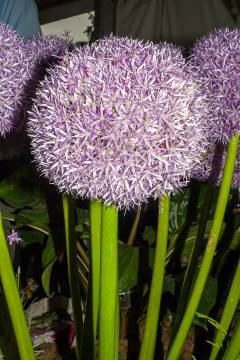
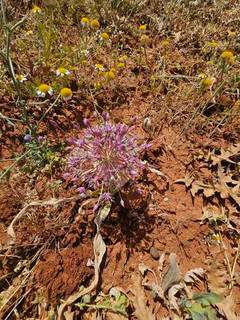
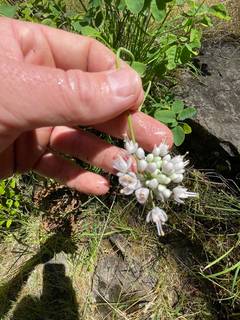
Biennial: plants flower in the second year if overwintered, producing white spherical umbels on tall scapes 24-36 inches (60-90 cm) above the foliage. The cultivar is grown as an annual for bulb production, and any flower scapes appearing during the bulb season are cut at the base to direct energy into the bulb.
Detailed Descriptions
Flower Description
White spherical umbels on tall scapes 24-36 inches (60-90 cm) — second year only if overwintered; flowering is undesirable in a bulb cropFoliage Description
Blue-green with glaucous coating, hollow tubular; yellows at maturityGrowing Conditions
Sun Requirements
Requires 6-12 hours of direct sunlight daily
• Full Sun: 6+ hours of direct sunlight
• Partial Shade: 3-6 hours of direct sunlight
• Full Shade: Less than 3 hours of direct sunlight
Care & Maintenance
Care Guide
Full sun (6+ hours daily) in well-drained soil at pH 6.0-7.0. Long-day onion — requires 14-16 hours of daylight to bulb (latitudes above 36°N), so the cultivar performs well in the Pacific Northwest and the northern United States. Seed is started indoors 10-12 weeks before last frost. The cultivar is more drought-tolerant than most onions once established. Watering is reduced as the tops yellow to encourage curing. Bulbs store 8-12 months at 32-40°F (0-4°C) in dry conditions. Open-pollinated breeding makes the cultivar suited to seed-saving programs. All Allium species contain thiosulfates that are toxic to dogs, cats, and horses; the bulb and foliage are not given to pets.Pruning
Flower scapes appearing during the bulb season are cut at the base, since flowering reduces bulb size. Green foliage is left in place during growth and is not cut. Harvest occurs when 50-75% of tops have fallen and yellowed (110-130 days from transplant). Tops are trimmed to 1 inch (2.5 cm) and roots to 0.25 inch (6 mm) at curing. Bulbs cure for 2-4 weeks in a warm, dry, ventilated location before storage.Container Growing
Suitable for container growing
Minimum container size: 3 gallons
Toxicity Warning
Toxic to cats and dogs if eaten; cats are especially susceptible, and raw, cooked or concentrated plant material can damage red blood cells and cause anaemia.Planting Guide
Planting Methods & Timing
Planting Method
both
Indoor Start
10 weeks before last frost
Direct Sow Timing
Early spring 2-4 weeks before last frost
Days to Maturity
110–130 days
Plant Spacing
4 inches
Botanical Flashcard