Image 1 of 6
1 / 6
Plant Reference
Allium, Genus, sativum, Species, 'California Early', Cultivar,
- Genus & species
- Cultivar
California early softneck garlic
Cultivar developed in California; the species A. sativum is native to Central Asia
Overview
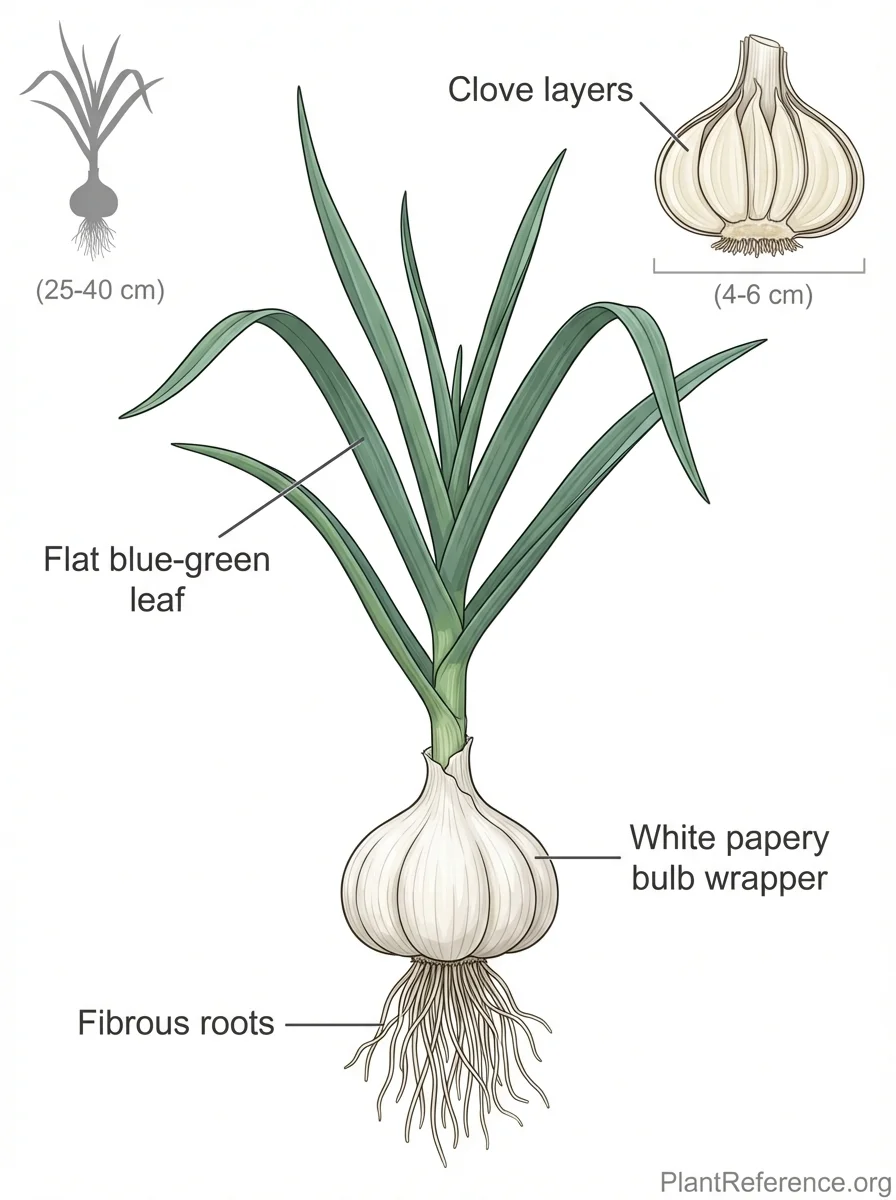
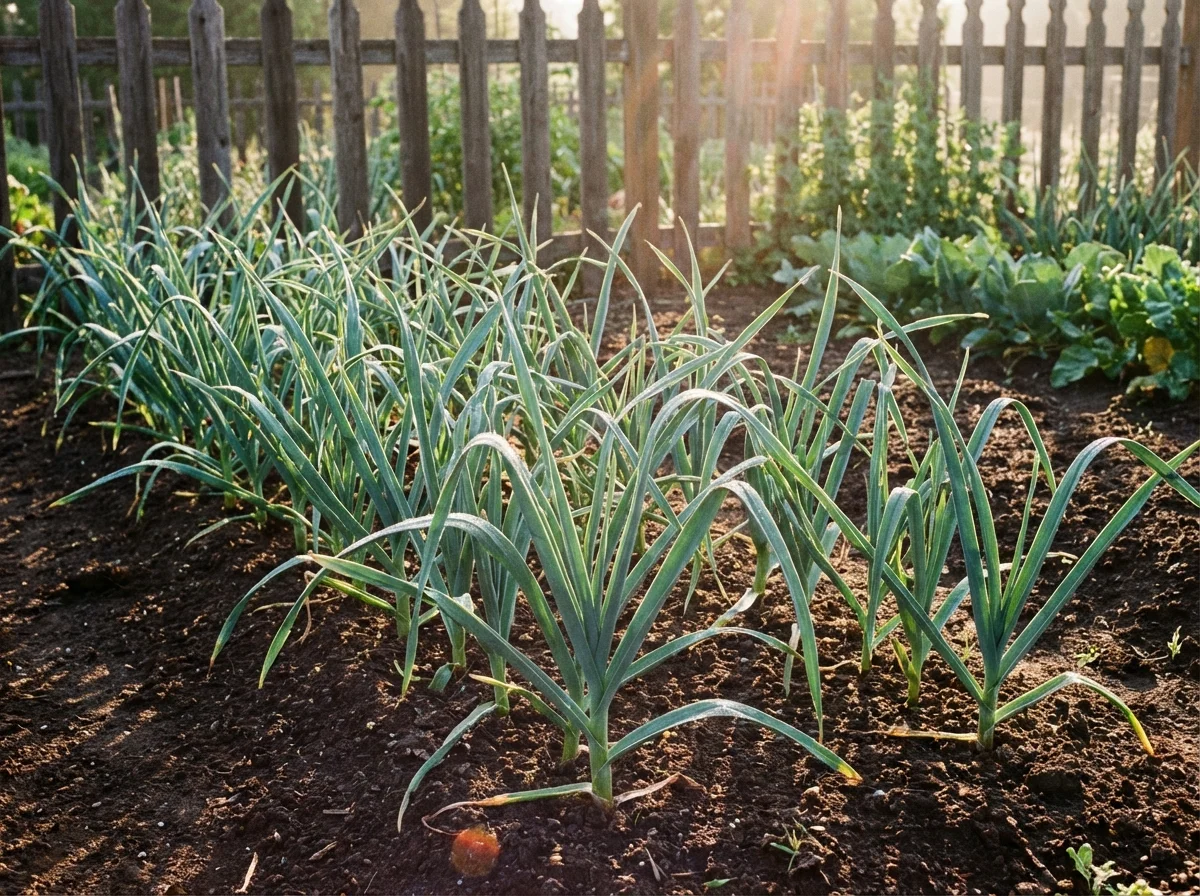
Allium sativum 'California Early' is California Early softneck garlic, a softneck cultivar producing flattened disc-shaped white bulbs 2-3 inches (5-7 cm) diameter with 10-14 cloves in multiple concentric layers. Blue-green flat arching foliage 18-24 inches (45-60 cm) tall. In the amaryllis family (Amaryllidaceae). A softneck type: no rigid woody central stem — the pliable neck can be braided for storage and display. Does not produce a flower scape (the hardneck trait is absent). Requires less cold vernalization than hardneck types — suited to mild winter climates (zones 8-10) where hardneck garlic fails to bulb properly. Early-maturing: harvests 2-3 weeks before other softneck cultivars. Plant cloves in fall 2 inches (5 cm) deep, 6 inches (15 cm) apart. Stores 8-10 months when properly cured — longer than hardneck types (6-8 months). The standard supermarket garlic type is typically a softneck. Distinguished from 'Music' (hardneck): softneck has a pliable stem (not rigid woody), 10-14 small cloves in layers (not 4-6 large cloves around a central stem), no scape, and longer storage life. All Allium contain thiosulfates: toxic to dogs, cats, and horses. Deer-resistant. Full sun. Zones 5-10. Growth rate is moderate.
Native Range
Cultivar developed in California. The species A. sativum is native to Central Asia.Suggested Uses
Grown in vegetable gardens and containers of at least 2 gallons (8 L). Softneck type — braidable. Suited to mild winter climates. Early-maturing. Stores 8-10 months. The standard cooking garlic. Toxic to pets. Deer-resistant. Zones 5-10.How to Identify
Appearance
Size & Dimensions
Height1'6" - 2'
Width/Spread6" - 8"
Bloom Information
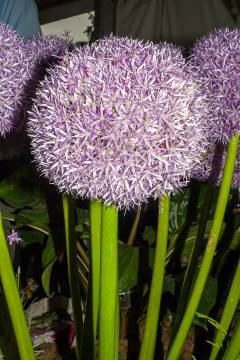
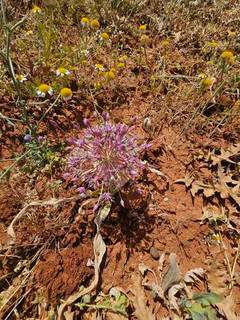
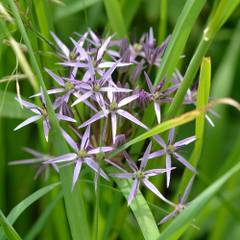
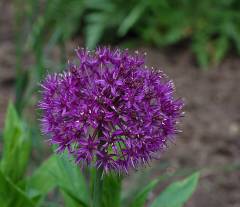
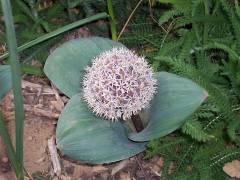
Rarely flowers in cultivation (softneck trait). If a scape appears, cut at the base. The absence of a flower scape distinguishes softneck from hardneck garlic.
Detailed Descriptions
Flower Description
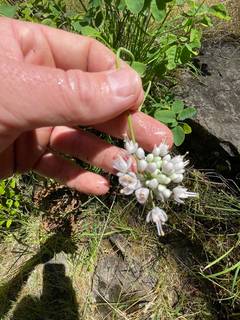
Rarely flowers (softneck trait); if scape appears, white small flowers in a spherical umbelFoliage Description
Blue-green, flat (not tubular), 0.4-0.8 inch (10-20 mm) wide, smooth, archingGrowing Conditions
Sun Requirements
Requires 6-10 hours of direct sunlight daily
• Full Sun: 6+ hours of direct sunlight
• Partial Shade: 3-6 hours of direct sunlight
• Full Shade: Less than 3 hours of direct sunlight
Care & Maintenance
Care Guide
Full sun (6+ hours). Well-drained fertile soil pH 6.0-7.5. Plant cloves in fall (4-6 weeks before hard frost). Less cold vernalization needed than hardneck — suited to mild winter climates. Do not cut green foliage. Harvest when 5-6 bottom leaves brown. Cure 2-4 weeks. Stores 8-10 months. Braidable. All Allium toxic to pets. Deer-resistant. Zones 5-10.Pruning
Cut any rare flower scapes at the base if they appear. Do not cut green foliage during growth. Harvest when 5-6 bottom leaves have browned while top leaves remain green. Cure 2-4 weeks. Braid the pliable necks for storage and display.Container Growing
Suitable for container growing
Minimum container size: 2 gallons
Toxicity Warning
Toxic to cats and dogs if eaten; cats are especially susceptible, and raw, cooked or concentrated plant material can damage red blood cells and cause anaemia.Planting Guide
Planting Methods & Timing
Planting Method
direct sow
Direct Sow Timing
Fall, 4-6 weeks before hard frost. In mild winter climates (zones 8-10), can also plant in late winter/early spring.
Days to Maturity
240–270 days
Plant Spacing
6 inches
Botanical Flashcard