Image 1 of 2
1 / 2
Plant Reference
Allium, Genus, cepa, Species, 'Evergreen Hardy White', Cultivar,
- Genus & species
- Cultivar
evergreen hardy white bunching onion
Open-pollinated cultivar (Japanese bunching onion type); the species A. cepa is native to Central Asia
Overview
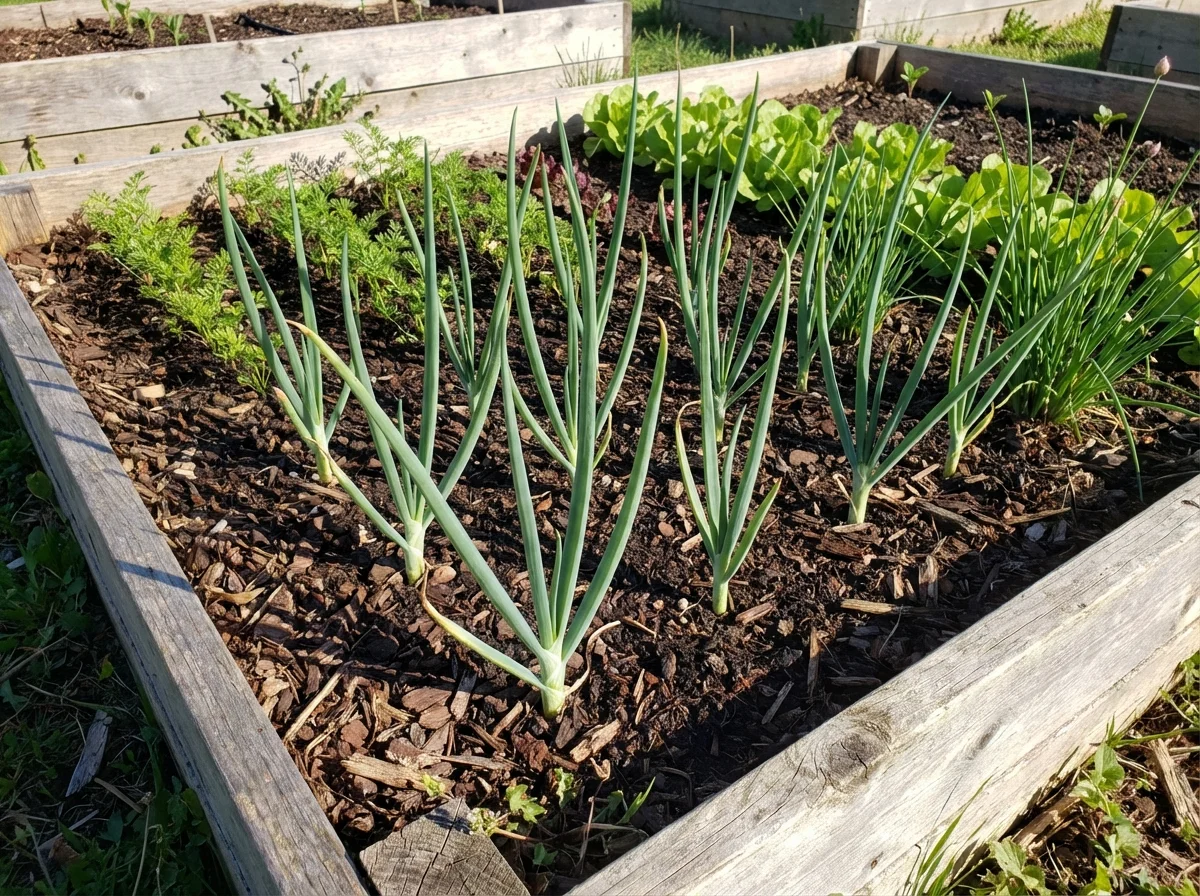
Allium cepa 'Evergreen Hardy White' is Evergreen Hardy White bunching onion, a perennial non-bulbing scallion growing 12-18 inches (30-45 cm) tall and 6-8 inches (15-20 cm) wide in clumps. Dark green hollow tubular foliage with white lower sheaths — the white base color is the cultivar's defining visual trait. In the amaryllis family (Amaryllidaceae). A non-bulbing type: harvested as scallions (green onions) — no bulb production. Perennial in zones 3-9: overwinters and the clump divides, regrowing each spring. The cold-hardiest bunching onion cultivar commonly available — withstands below-zero temperatures. Semi-evergreen: foliage persists in mild winters; tops die back in cold winters but roots survive and resprout. No day-length requirement for harvest (unlike bulbing onions). Open-pollinated: seed can be saved. Direct-sow early spring through fall. Succession-sow every 2-3 weeks for continuous supply. Shallow roots — consistent moisture required. All Allium contain thiosulfates: toxic to dogs, cats, and horses (Heinz body anemia). Deer-resistant. Full sun to partial shade. Growth rate is moderate.
Native Range
Open-pollinated cultivar (Japanese bunching onion type). The species A. cepa is native to Central Asia.Suggested Uses
Grown in vegetable gardens, raised beds, and containers of at least 2 gallons (8 L). Perennial scallion — overwinters in zones 3-9 and regrows. Non-bulbing — no day-length requirement. Succession-sow. Toxic to pets. Deer-resistant.How to Identify
Appearance
Size & Dimensions
Height1' - 1'6"
Width/Spread6" - 8"
Bloom Information
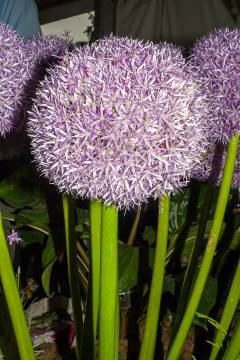
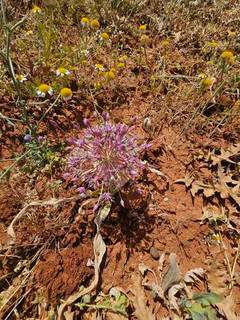
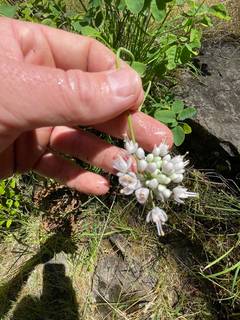
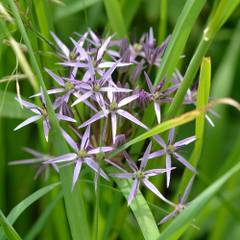
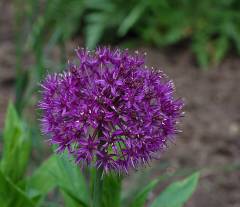
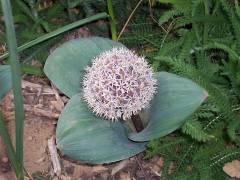
Flowers in the second year or if overwintered — white to pale pink spherical umbels. Flowering is undesirable in scallion production. Cut flower stalks at the base.
Detailed Descriptions
Flower Description
White to pale pink spherical umbels on a hollow scape — only if allowed to bolt; undesirable in scallion productionFoliage Description
Dark green, hollow tubular, 0.3-0.5 inch (8-12 mm) diameter; the lower sheaths are whiteGrowing Conditions
Sun Requirements
Requires 4-10 hours of direct sunlight daily
• Full Sun: 6+ hours of direct sunlight
• Partial Shade: 3-6 hours of direct sunlight
• Full Shade: Less than 3 hours of direct sunlight
Care & Maintenance
Care Guide
Full sun to partial shade. Well-drained soil pH 6.0-7.0. Direct-sow early spring through fall. Perennial in zones 3-9 — overwinters and regrows. No day-length requirement. Shallow roots — consistent moisture. Succession-sow. All Allium toxic to pets. Deer-resistant.Pruning
Harvest by cutting at soil level or pulling. The clump divides and regrows. Cut flower stalks at the base if they appear. Trim damaged foliage in fall. In cold zones, tops die back but roots resprout.Pruning Schedule
Prune: November–December
fallwinter
Container Growing
Suitable for container growing
Minimum container size: 2 gallons
Toxicity Warning
Toxic to cats and dogs if eaten; cats are especially susceptible, and raw, cooked or concentrated plant material can damage red blood cells and cause anaemia.Planting Guide
Planting Methods & Timing
Planting Method
direct sow
Indoor Start
8 weeks before last frost
Direct Sow Timing
Early spring through fall. Overwinters in zones 3-9 and regrows in spring.
Days to Maturity
60–120 days
Plant Spacing
2 inches