Image 1 of 6
1 / 6
Plant Reference
Allium, Genus, cepa, Species, 'Yellow Sweet Spanish', Cultivar,
- Genus & species
- Cultivar
yellow sweet Spanish onion
Open-pollinated cultivar of Spanish type onion; the species A. cepa is native to Central Asia (Iran, Afghanistan, Pakistan)
Overview
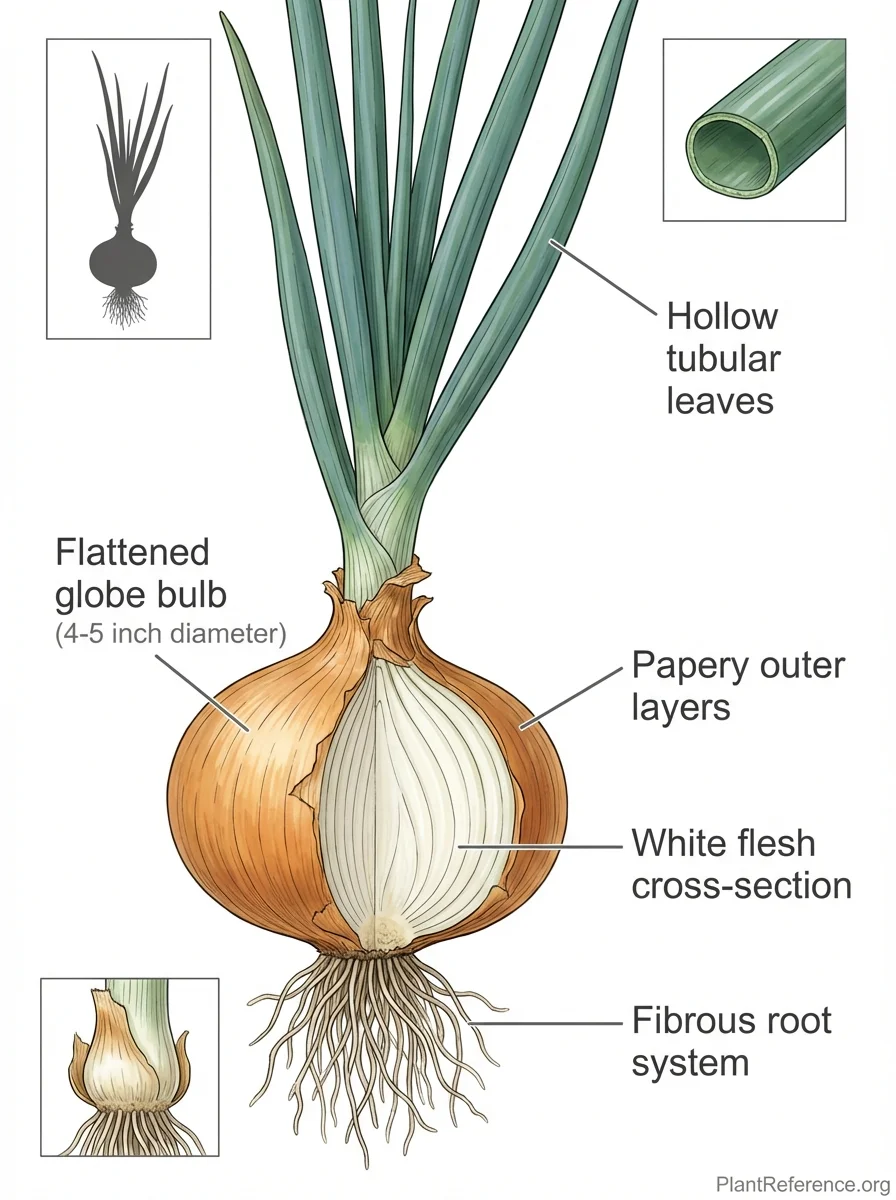
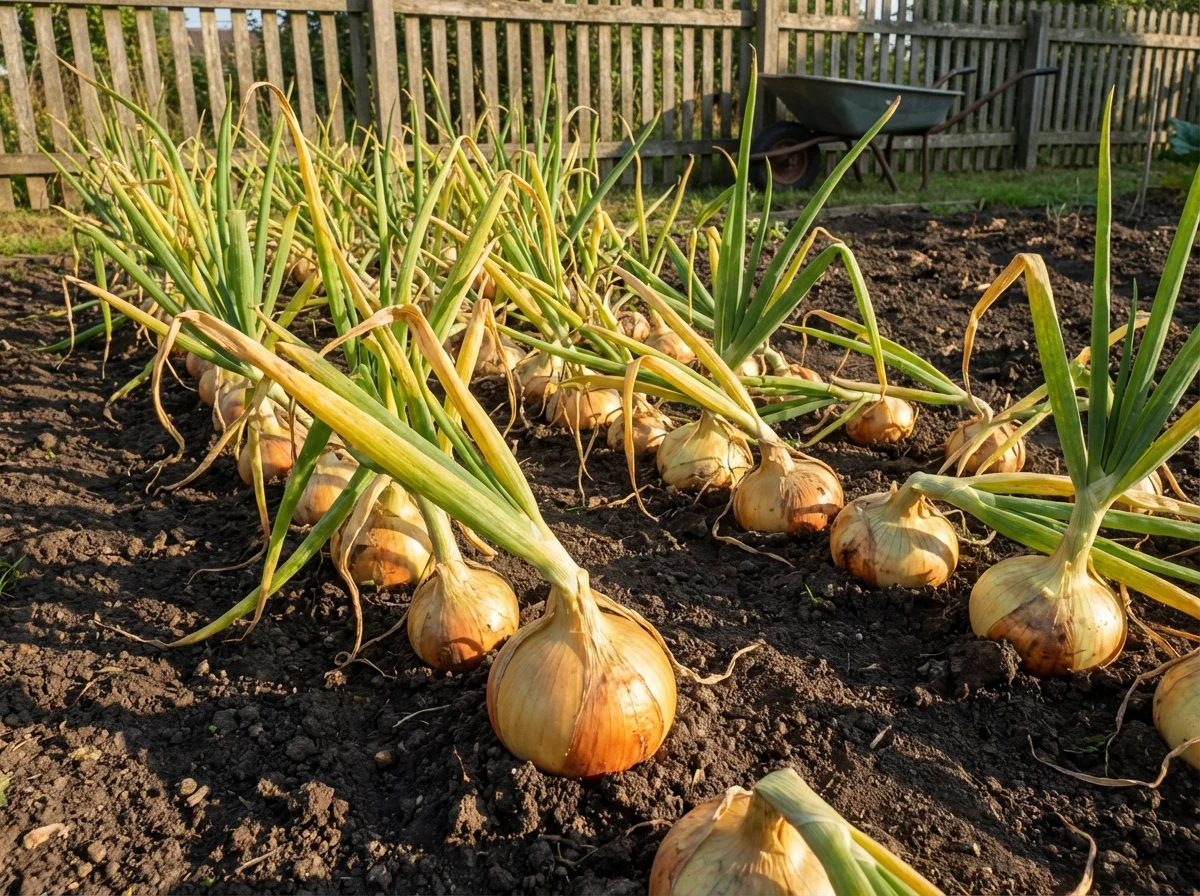
Allium cepa 'Yellow Sweet Spanish' is Yellow Sweet Spanish onion, a biennial grown as an annual for bulb production, 18-24 inches (45-60 cm) tall and 6-8 inches (15-20 cm) wide. Large flattened globe-shaped bulbs 4-5 inches (10-13 cm) diameter with golden-brown papery outer skins and white to pale yellow flesh. A sweet onion: reduced sulfur compounds and elevated sugar content — mild enough to eat raw. Blue-green hollow tubular foliage. In the amaryllis family (Amaryllidaceae). A long-day onion: requires 14-16 hours of daylight to trigger bulbing (latitudes above 36°N). Open-pollinated: seed can be saved. The thick neck limits storage to 2-4 months — shorter than thin-necked storage types (6-8 months). Start seed indoors 10-12 weeks before last frost. Harvest when 50-75% of tops have fallen and yellowed (110-120 days from transplant). All Allium species contain thiosulfates: toxic to dogs, cats, and horses (causes Heinz body anemia). Onion maggot (Delia antiqua) and thrips are the primary pests. Deer-resistant (aromatic). Full sun. Annual. Growth rate is moderate.
Native Range
Open-pollinated cultivar of Spanish type. The species A. cepa is native to Central Asia (Iran, Afghanistan, Pakistan).Suggested Uses
Grown in vegetable gardens and containers of at least 5 gallons (19 L). Sweet onion — mild enough for raw eating. Long-day type (latitudes above 36 degrees N). Open-pollinated — save seeds. Stores 2-4 months only. Toxic to pets. Deer-resistant. Annual.How to Identify
Appearance
Size & Dimensions
Height1'6" - 2'
Width/Spread6" - 8"
Bloom Information
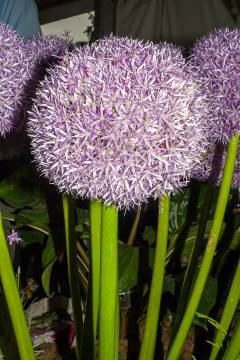
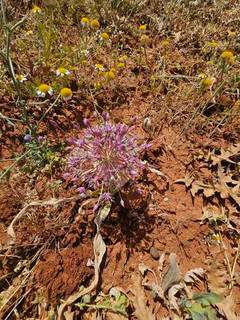
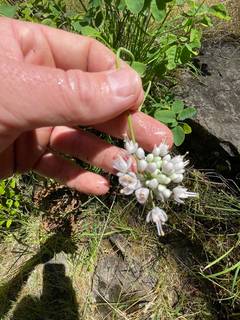
Biennial: flowers in the second year if overwintered — white to greenish-white spherical umbels. Grown as an annual for bulb production. Cut flower scapes immediately if they appear.
Detailed Descriptions
Flower Description
White to greenish-white spherical umbels on a hollow scape — only if allowed to bolt; undesirable in bulb productionFoliage Description
Blue-green, hollow tubular, 0.5-0.75 inch (12-18 mm) diameter; yellows at maturityGrowing Conditions
Sun Requirements
Requires 6-12 hours of direct sunlight daily
• Full Sun: 6+ hours of direct sunlight
• Partial Shade: 3-6 hours of direct sunlight
• Full Shade: Less than 3 hours of direct sunlight
Care & Maintenance
Care Guide
Full sun (6+ hours). Well-drained fertile soil pH 6.0-7.0. Long-day onion — 14-16 hours daylight for bulbing. Start seed 10-12 weeks indoors. Consistent moisture during bulb swelling. Reduce watering as tops yellow. All Allium toxic to pets. Onion maggot and thrips. Deer-resistant. Stores 2-4 months only. Annual.Pruning
Cut flower scapes at the base if they appear. Do not cut green foliage during growth. Harvest when 50-75% of tops have fallen and yellowed. Trim tops to 1-2 inches (2.5-5 cm) above the neck. Cure 2-3 weeks before storage.Container Growing
Suitable for container growing
Minimum container size: 5 gallons
Toxicity Warning
Toxic to cats and dogs if eaten; cats are especially susceptible, and raw, cooked or concentrated plant material can damage red blood cells and cause anaemia.Planting Guide
Planting Methods & Timing
Planting Method
transplant
Indoor Start
10 weeks before last frost
Direct Sow Timing
Early spring 4-6 weeks before last frost
Days to Maturity
110–120 days
Plant Spacing
4 inches
Botanical Flashcard