Abies, Genus, procera, Species, 'Glauca', Cultivar,
- Genus & species
- Cultivar
blue noble fir
Cascade and Coast ranges of Washington and Oregon; Klamath Mountains of northern California; 3,000-6,000 feet (900-1,800 m); cultivar selected from species range
Overview
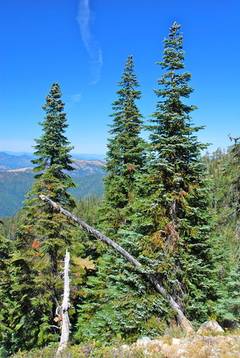
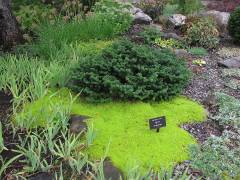
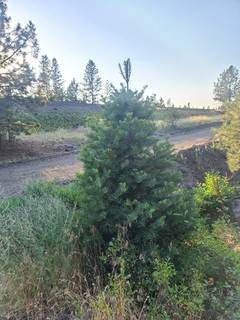
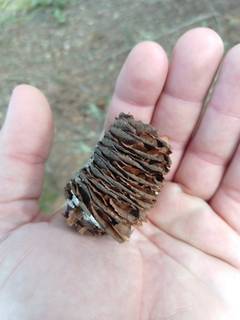
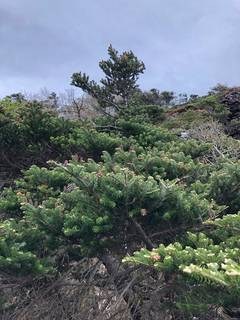
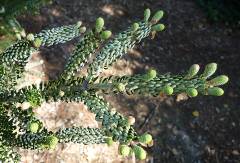
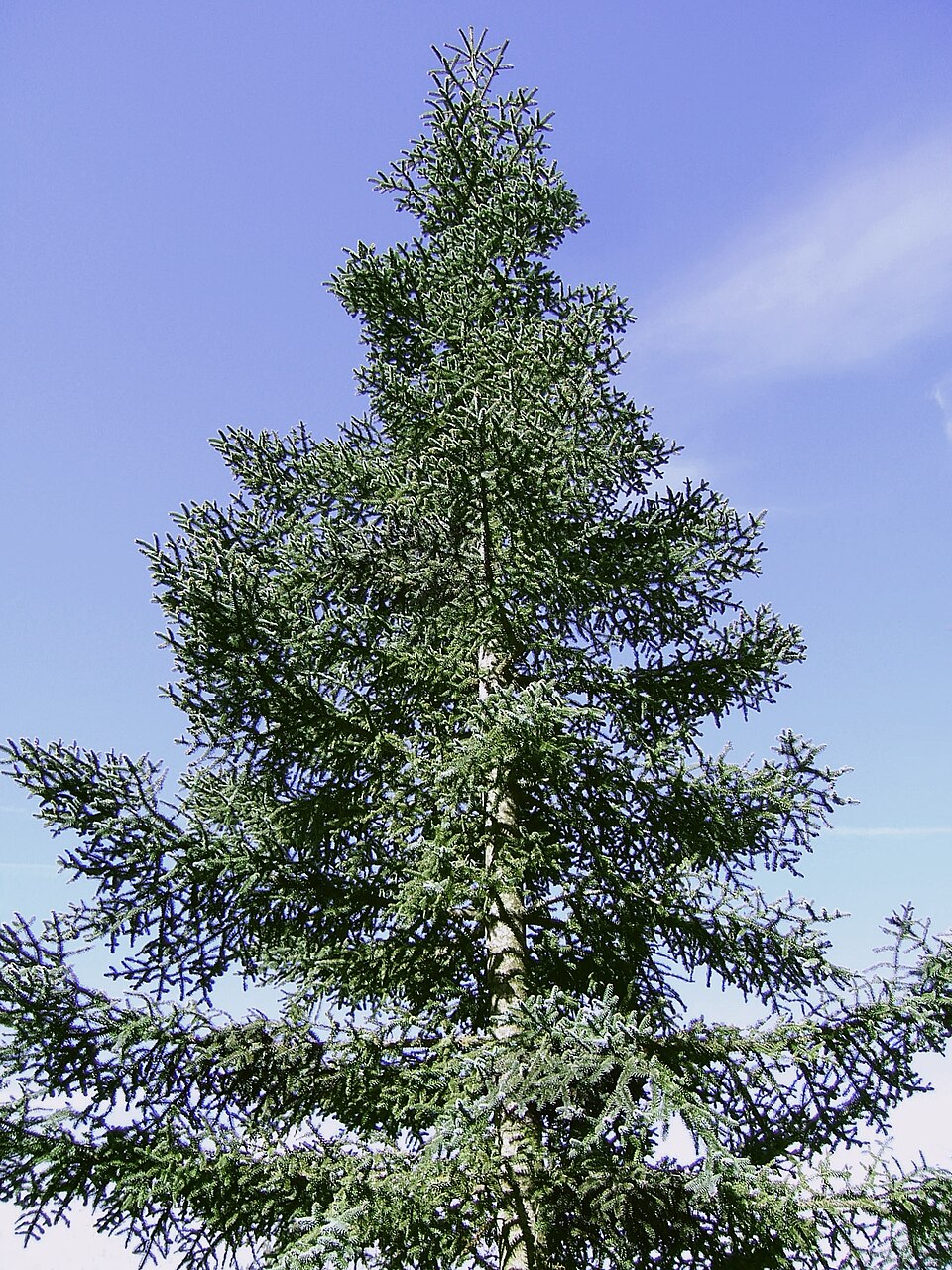
Abies procera 'Glauca' is a cultivar of the noble fir selected for intensified steel-blue to silvery-blue foliage, growing 70–130 feet (21–40 m) tall and 15–25 feet (4.5–7.5 m) wide — the same mature dimensions as the species type. The tree forms a narrow pyramidal crown with tiered horizontal branches. Needles are stiff, 1–1.25 inches (2.5–3 cm) long, curving upward to expose silvery-white undersides; the blue coloring is more saturated than in the species type and intensifies in full sun. Cones are upright, cylindrical, 4–8 inches (10–20 cm) long — the largest cones of any North American fir — with exserted (protruding) papery bracts curving downward between the scales, green-purple aging to brown. Cones ripen and disintegrate on the tree in autumn. Bark is smooth and silver-gray on young trees, developing reddish-brown furrows on mature specimens. Crushed needles release a moderate resinous scent. Growth rate is moderate, reaching mature size in 40–60 years. Wild specimens of the species exceed 250 feet (75 m), holding the height record among true firs (Abies). The species is native to the Cascade and Coast ranges of Washington and Oregon and the Klamath Mountains of northern California at 3,000–6,000 feet (900–1,800 m). The cultivar is more drought-tolerant than most firs once established but does not tolerate hot, humid summers and declines above zone 7. Mature size requires a very large planting site.
Native Range
The species A. procera is native to the Cascade and Coast ranges of Washington and Oregon and the Klamath Mountains of northern California, at 3,000–6,000 feet (900–1,800 m). 'Glauca' is a cultivar selected from the species range for intensified blue foliage.Suggested Uses
Grown as a large blue coniferous specimen in cool-climate sites in zones 5–7. Standard spacing is 15–25 feet (4.5–7.5 m) from adjacent trees and structures. Not tolerant of hot, humid summers. Mature size requires a very large planting site. Commercially, the species is grown for Christmas trees and wreaths.How to Identify
Appearance
Size & Dimensions
Height70' - 130'
Width/Spread15' - 25'
Bloom Information
Not applicable — wind-pollinated conifer. Pollen cones release in spring (April–May). Seed cones are upright, cylindrical, 4–8 inches (10–20 cm) with exserted papery bracts, green-purple aging to brown. Cones ripen on the upper branches and disintegrate on the tree in autumn.
Detailed Descriptions
Foliage Description
intensified steel-blue to silvery-blue, stiff needles 1-1.25 inches (2.5-3 cm) curving upwardGrowing Conditions
Sun Requirements
Requires 6-12 hours of direct sunlight daily
• Full Sun: 6+ hours of direct sunlight
• Partial Shade: 3-6 hours of direct sunlight
• Full Shade: Less than 3 hours of direct sunlight
Care & Maintenance
Care Guide
Plant in full sun (6–12 hours direct sun) in well-drained soil with pH 5.0–7.0. More drought-tolerant than most firs once established, but supplemental irrigation is needed during prolonged dry spells. Does not tolerate hot, humid summers — performs in zones 5–7 and declines above zone 7 summer heat. Mature trees reach 70–130 feet (21–40 m) and require a very large planting site well clear of overhead utilities and structures. Non-toxic. Not deer-resistant — browsing damage occurs on young trees.Pruning
No regular pruning is needed. The natural pyramidal tiered form develops without shaping. Dead or damaged branches are removed in late winter to early spring (February–March). The central leader is not removed; topping is not recoverable.Pruning Schedule
Prune: February–March
early spring