Image 1 of 18
1 / 18
Plant Reference
Abies, Genus, amabilis, Species,
- Genus & species
Pacific silver fir
Pacific Coast mountains — southeastern Alaska south through British Columbia, Washington and Oregon Cascades, Olympic Mountains, to northern California; 1,000-5,500 feet (300-1,700 m) elevation
Overview
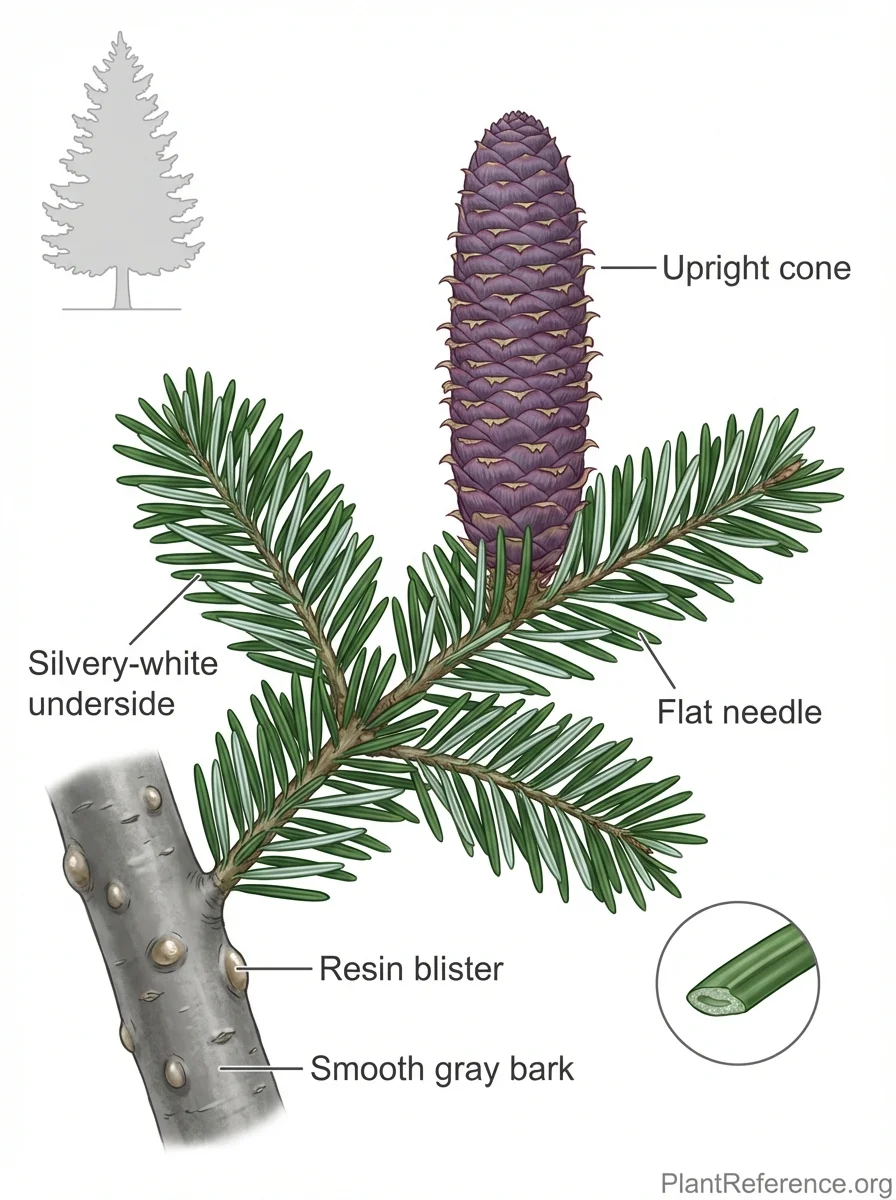
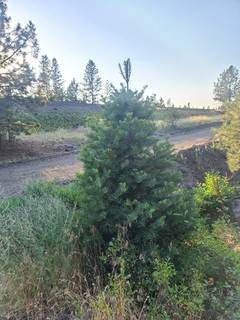
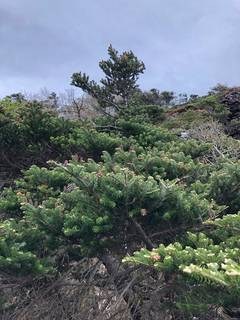
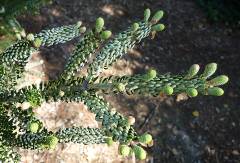
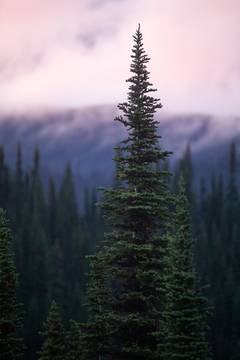
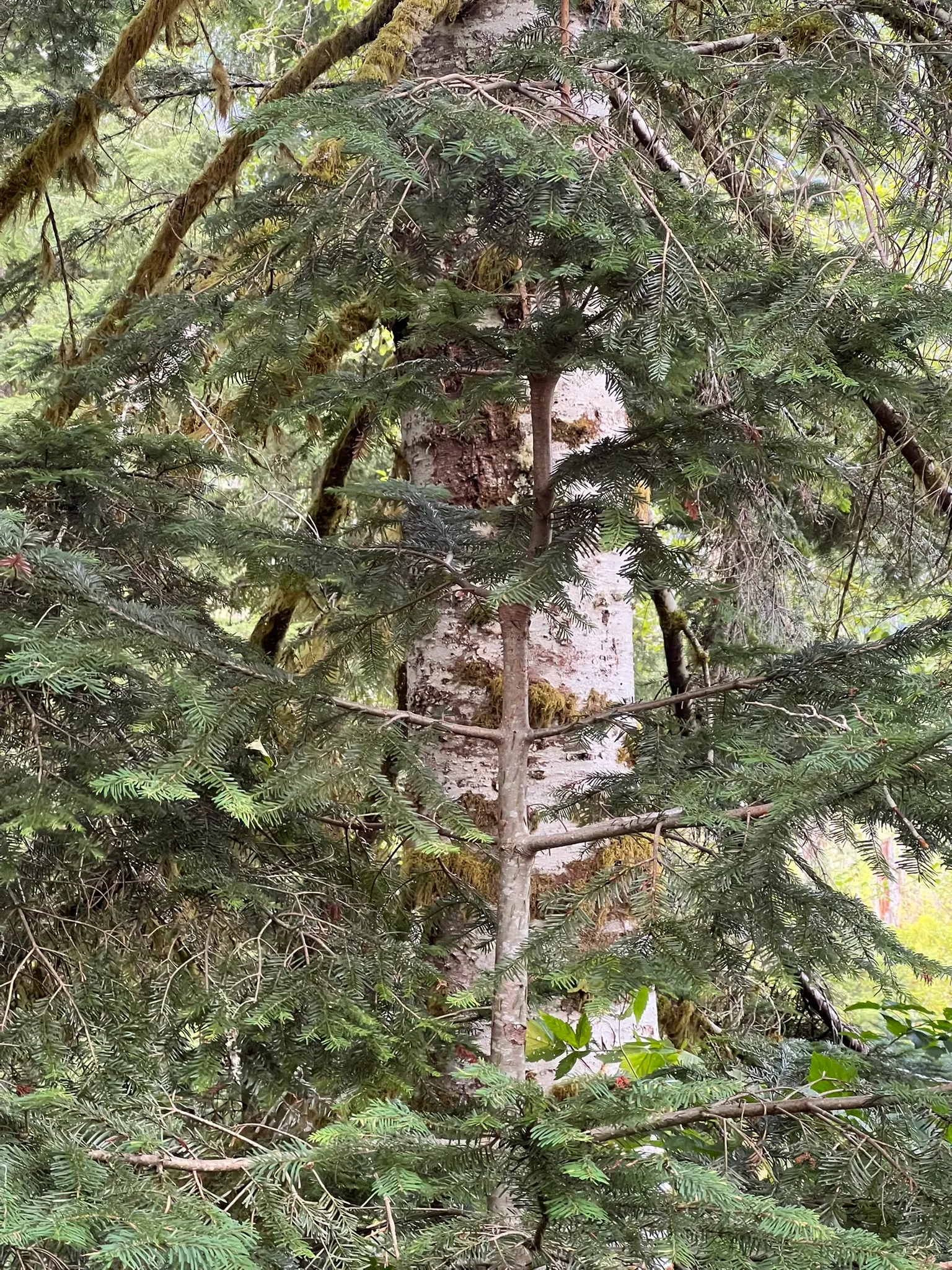
Abies amabilis is an upright coniferous tree growing 100–150 feet (30–45 m) tall and 20–30 feet (6–9 m) wide, with a narrowly pyramidal crown and a single straight central leader. Bark is smooth and gray on young trees, developing shallow scaly plates with age, and bears prominent resin blisters. Needles are flat, 0.75–1.25 inches (2–3 cm) long, dark glossy green above with two conspicuous silvery-white stomatal bands beneath, and arranged in flat horizontal sprays with a distinct parting on the upper surface. Crushed needles release a light balsam-like scent. Cones are upright, cylindrical, 3–6 inches (7–15 cm) long, purple-violet when young, and held on the upper branches; they ripen and disintegrate on the tree in autumn rather than falling intact. Growth rate is slow to moderate, with mature size reached in 40–60 years. Native to high-rainfall mountain forests of the Pacific Northwest at 1,000–5,500 feet (300–1,700 m). The species requires consistently cool temperatures and high soil moisture and does not tolerate drought, heat, or low humidity, which restricts cultivation outside the coastal Pacific Northwest. Mature size also requires a very large planting site.
Native Range
Native to the Pacific Coast mountains — southeastern Alaska south through British Columbia, the Washington and Oregon Cascades, the Olympic Mountains, and into northern California — at 1,000–5,500 feet (300–1,700 m).Suggested Uses
Grown as a large native coniferous specimen in cool, moist, high-rainfall sites in the Pacific Northwest. Used in restoration plantings within its native range and in arboreta. Standard spacing is 20–30 feet (6–9 m) between trees and well clear of structures and overhead utilities. Cultivation outside the coastal Pacific Northwest is limited by drought and heat sensitivity.How to Identify
Appearance
Size & Dimensions
Height100' - 150'
Width/Spread20' - 30'
Bloom Information
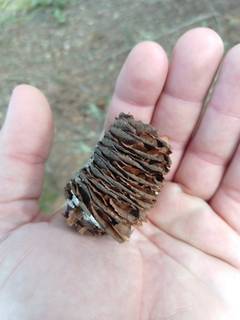
Not applicable — wind-pollinated conifer. Pollen cones release in May–June. Seed cones are upright, cylindrical, 3–6 inches (7–15 cm) long, purple-violet when young, and ripen on the upper branches in autumn before disintegrating on the tree. Seeds are dispersed by wind and by Clark''s nutcrackers.
Detailed Descriptions
Foliage Description
dark glossy green above with two conspicuous silvery-white stomatal bands beneath; flat needles 0.75-1.25 inches (2-3 cm) arranged in flat horizontal spraysGrowing Conditions
Sun Requirements
Requires 3-8 hours of direct sunlight daily
• Full Sun: 6+ hours of direct sunlight
• Partial Shade: 3-6 hours of direct sunlight
• Full Shade: Less than 3 hours of direct sunlight
Care & Maintenance
Care Guide
Plant in part shade to full sun (3–8 hours direct sun) in moist, well-aerated, acidic soil with pH 5.0–6.5. The species needs consistent moisture and cool temperatures and does not tolerate drought, heat, or low humidity, which restricts cultivation to maritime zone 7 and cooler. Soil should be loam, peat, or amended clay with reliable winter rainfall or supplemental summer irrigation in drier climates. Mature trees reach 100–150 feet (30–45 m) and require a very large planting site with no overhead conflicts. Pruning is minimal. The tree is non-toxic and deer-resistant.Pruning
Pruning is minimal. Dead or damaged branches are removed in late winter to early spring (February–March) before new growth begins. Topping kills the central leader and is not recoverable; the tree will not regenerate a replacement leader.Pruning Schedule
Prune: February–March
early spring
Toxicity
Non-toxicBotanical Flashcard