Abies, Genus, numidica, Species,
- Genus & species
Algerian fir
Northeastern Algeria (Babor Mountain, Kabylie region)
Overview
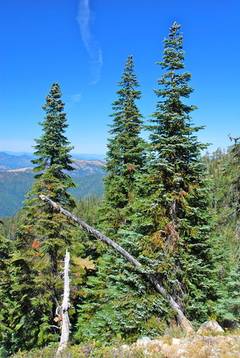
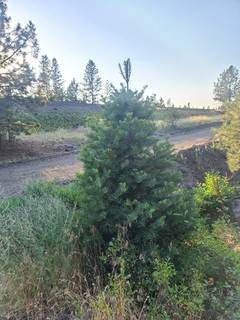
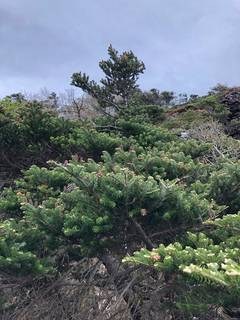
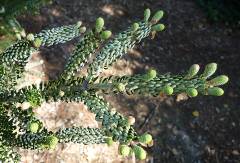
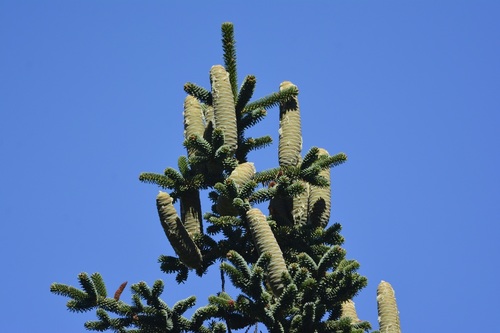
Abies numidica is an evergreen conifer reaching 50–80 feet (15–24 m) tall with a spread of 15–25 feet (4.5–7.5 m) in cultivation, with a narrowly conical to columnar crown. Bark is grayish and furrowed on mature specimens. Needles are 0.6–1 inch (1.5–2.5 cm) long, flat, dark glossy green above with two white stomatal bands below, notched at the tip, arranged densely in two ranks with some forward-pointing needles, giving branches a full appearance. Compared to most Abies species, A. numidica tolerates drier soils and warmer summers and is considered among the more drought-tolerant firs in cultivation. Cones are cylindrical, 4–6 inches (10–15 cm) long, greenish to brownish-purple, upright, disintegrating at maturity in September–October. The species is slower to establish than some firs in the Pacific Northwest and is not widely available in the nursery trade.
Native Range
Abies numidica is native to a restricted area of northeastern Algeria, primarily on the slopes of Babor Mountain in the Kabylie region, at elevations of 5,900–6,900 feet (1,800–2,100 m). In its native range it grows in montane forests on well-drained limestone-based soils with a Mediterranean climate characterized by dry summers and winter precipitation. The species is considered endangered in its native range due to its extremely limited distribution.Suggested Uses
Planted as a specimen in large gardens, parks, and arboreta, particularly in drier climates where most firs do not perform well. Requires minimum 15–20 feet (4.5–6 m) clearance from structures at planting. More suitable than most Abies for Mediterranean-climate gardens and continental sites with dry summers. Not suited to waterlogged, permanently wet, or compacted soils.How to Identify
Appearance
Size & Dimensions
Height50' - 80'
Width/Spread15' - 25'
Colors
Bloom Information
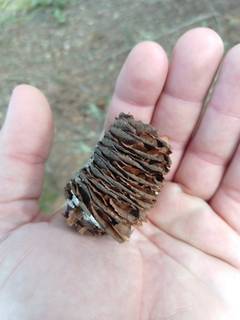
Male strobili are small, yellowish to reddish, releasing pollen in April–May. Female cones form upright, greenish to purple at pollination, maturing to 4–6 inches (10–15 cm) long by August–September. Cones disintegrate on the tree in September–October, releasing winged seeds and leaving a persistent central rachis.
Detailed Descriptions
Flower Description
yellowish to reddish (male strobili); greenish to brownish-purple (cones)Foliage Description
dark glossy green above, white stomatal bands belowGrowing Conditions
Sun Requirements
Requires 4-12 hours of direct sunlight daily
• Full Sun: 6+ hours of direct sunlight
• Partial Shade: 3-6 hours of direct sunlight
• Full Shade: Less than 3 hours of direct sunlight
Care & Maintenance
Care Guide
Plant in well-drained soil, including shallow or rocky soils, with a pH of 5.5–7.5; this species tolerates alkaline and limestone-derived soils better than most firs. Water weekly during the first 2 growing seasons. Established plants tolerate dry periods of 2–3 weeks and perform better than most Abies species in sites with dry summers. Poorly drained or waterlogged soils cause root rot. Tolerates summer temperatures up to 95°F (35°C) better than most firs, though growth slows in prolonged heat. No routine fertilization is required in adequate soils.Pruning
No routine pruning is required. The natural conical form is self-maintaining. Remove dead or damaged branches in late spring after new growth has hardened. The central leader should not be cut; its loss results in a forked crown that does not regenerate to a single-stemmed form. Avoid pruning from late summer through fall.Pruning Schedule
Prune: May–June
late spring