Image 1 of 6
Plant Reference
1 / 6
Abies, Genus, borisii-regis, Species,
- Genus & species
Bulgarian fir
Balkans (Bulgaria, Greece, Albania, North Macedonia)
Overview
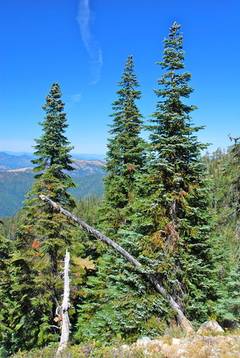
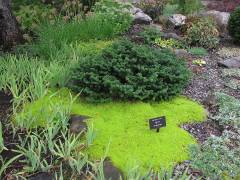
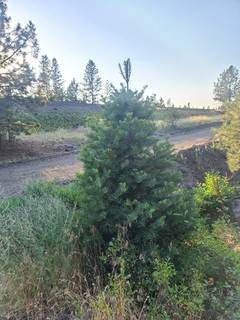
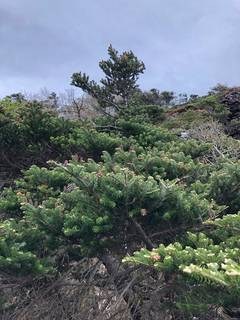
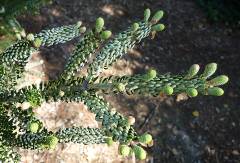
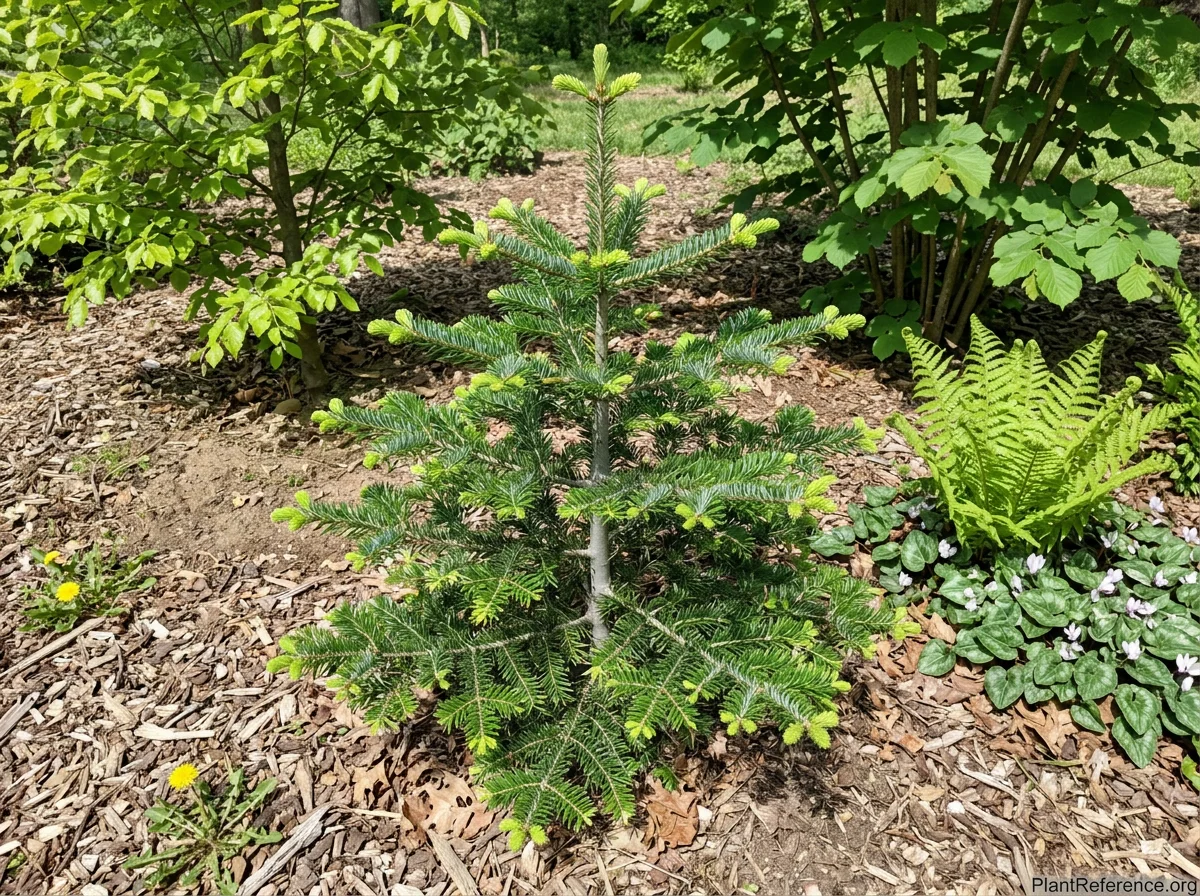
Abies borisii-regis is a large evergreen conifer reaching 100–130 feet (30–40 m) tall with a spread of 20–30 feet (6–9 m) in natural conditions; cultivated specimens in parks and arboreta typically reach 50–80 feet (15–24 m) over 50–75 years. The crown is broadly pyramidal in youth, becoming more columnar with age. Bark on young trees is smooth and gray, becoming furrowed and scaly on mature trunks. Needles are 0.75–1.25 inches (2–3 cm) long, flat, dark green above with two white stomatal bands below, arranged in two ranks along the shoot. Cones are cylindrical, 4–6 inches (10–15 cm) long and 1.5–2 inches (4–5 cm) wide, greenish to purple-brown before ripening, disintegrating on the tree at maturity in September–October. The species is intolerant of heavy, compacted, or poorly drained soils, and does not perform well in areas with hot, dry summers or high urban pollution. It requires substantial lateral space and is not suitable for small residential sites.
Native Range
Abies borisii-regis is native to the mountains of the central and southern Balkans, including Bulgaria, northern Greece, Albania, and North Macedonia. It occurs in montane mixed forests at elevations of 2,600–6,600 feet (800–2,000 m), frequently growing alongside Fagus sylvatica, Picea abies, and Pinus sylvestris.Suggested Uses
Planted as a specimen tree in large gardens, parks, and arboreta with adequate space — a minimum of 20–25 feet (6–7.5 m) from structures and other trees at planting. The eventual crown spread of 20–30 feet (6–9 m) and height of 50–80 feet (15–24 m) in cultivation requires sites of at least 0.25 acre. Not suited to residential lots under 0.5 acre or sites with overhead utility lines.How to Identify
Appearance
Size & Dimensions
Height50' - 80'
Width/Spread20' - 30'
Colors
Bloom Information
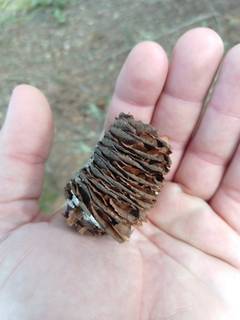
Male strobili, yellow to reddish, 0.5–0.75 inch (1.3–2 cm) long, release pollen in April–May. Female cones are upright and cylindrical at pollination, turning green to purplish-brown as they ripen through summer, reaching full size of 4–6 inches (10–15 cm) by August–September. Cones disintegrate in place in September–October, releasing winged seeds and leaving a persistent central rachis.
Detailed Descriptions
Flower Description
yellow to reddish (male strobili)Foliage Description
dark green above, two white stomatal bands belowGrowing Conditions
Sun Requirements
Requires 4-12 hours of direct sunlight daily
• Full Sun: 6+ hours of direct sunlight
• Partial Shade: 3-6 hours of direct sunlight
• Full Shade: Less than 3 hours of direct sunlight
Care & Maintenance
Care Guide
Plant in deep, well-drained, moderately moist soil with a pH of 5.5–7.0. Young trees require supplemental watering during the first 2–3 growing seasons to establish, particularly during dry summers. Established trees tolerate periodic dry spells but decline over 5–10 years in chronically dry or compacted soils. This species does not tolerate waterlogged conditions; standing water for more than 2–3 days can cause root damage. Air pollution tolerance is low; specimens in urban settings with high particulate pollution show needle browning and premature needle drop within a few years. No routine fertilization is required in adequate soils; excess nitrogen promotes soft growth susceptible to late frost damage.Pruning
Pruning is not required for normal growth; the natural pyramidal form is self-maintaining. Remove dead, diseased, or crossing branches in late spring after new growth has hardened. Avoid pruning in late summer or fall, as wounds heal slowly before dormancy. The central leader should not be cut; loss of the leader results in a forked crown that does not regenerate the characteristic single-stemmed pyramidal form.Pruning Schedule
Prune: May–June
late spring