Image 1 of 21
1 / 21
Plant Reference
Abies, Genus, pinsapo, Species,
- Genus & species
Spanish fir
Southern Spain (Serrania de Ronda, Andalusia) and northern Morocco (Rif Mountains)
Overview
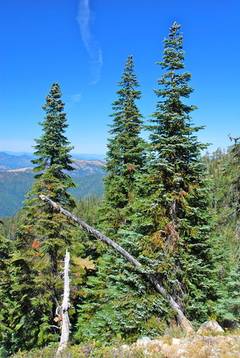
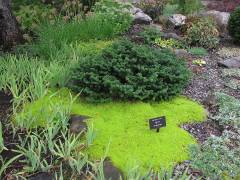
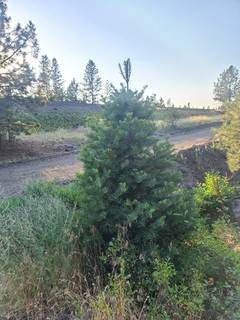
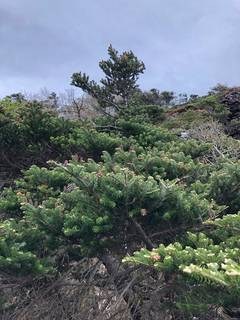
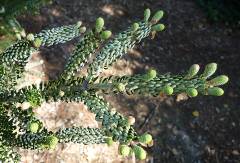
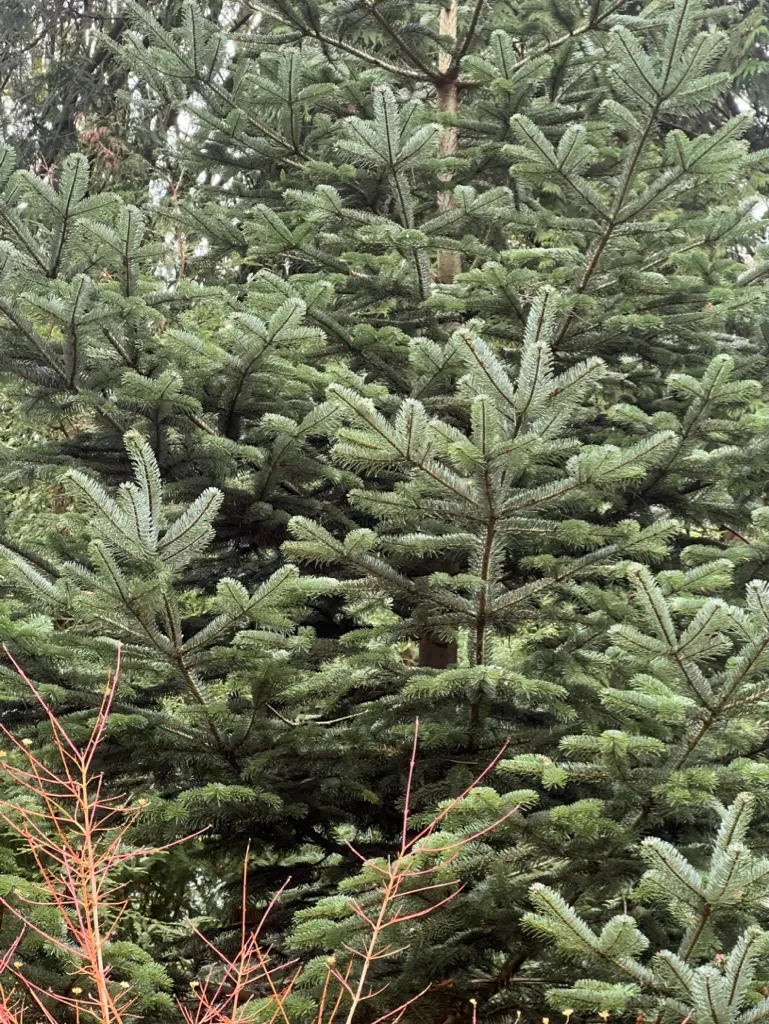
Abies pinsapo is an upright coniferous evergreen tree growing 40-60 feet (12-18 m) tall and 15-25 feet (4.5-7.5 m) wide with a dense pyramidal crown. Short, stiff, dark blue-green needles, 0.5-0.75 inch (12-18 mm), radiate in all directions around the shoot (radial arrangement), producing a hedgehog-like texture that differs from the flat-ranked needle arrangement of most other firs. The common name hedgehog fir and the species name pinsapo (from the local Spanish dialect) both reference this radial needle character. Cylindrical upright cones, 4-6 inches (10-15 cm), are green aging to brown and disintegrate on the tree. Native to three isolated mountain populations in the Serrania de Ronda in Andalusia (southern Spain) and two in the Rif Mountains of northern Morocco, at 3,000-5,600 feet (900-1,700 m). IUCN conservation status is Endangered; wild populations total approximately 3,500 hectares (8,600 acres). Tolerates alkaline and chalk soils to pH 8.0, in contrast to most Abies species which require acidic conditions. Drought-tolerant once established — adapted to Mediterranean dry-summer conditions. Non-toxic. Deer-resistant.
Native Range
Native to three isolated mountain populations: the Serrania de Ronda in Andalusia, southern Spain, and two populations in the Rif Mountains of northern Morocco, at 3,000-5,600 feet (900-1,700 m) elevation. IUCN Endangered.Suggested Uses
Grown as a specimen coniferous tree on sites with alkaline, chalky, or limestone-derived soils where other firs would not thrive, spaced 15-25 feet (4.5-7.5 m) apart. The radial needle arrangement and hedgehog-like texture differentiate it from other firs in the landscape. Drought-tolerant for a fir. IUCN Endangered in the wild. Non-toxic. Hardy in zones 7-9.How to Identify
Appearance
Size & Dimensions
Height40' - 60'
Width/Spread15' - 25'
Reproduction
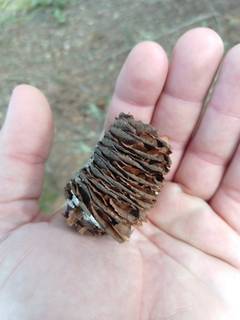
Wind-pollinated. Cylindrical upright cones, 4-6 inches (10-15 cm), green aging to brown, disintegrate on the tree. Cones are borne on the upper branches of mature trees.
Detailed Descriptions
Foliage Description
dark blue-green, short, stiff, radially arranged around the shoot projecting in all directions; needles 0.5-0.75 inch (12-18 mm)Growing Conditions
Sun Requirements
Requires 5-10 hours of direct sunlight daily
• Full Sun: 6+ hours of direct sunlight
• Partial Shade: 3-6 hours of direct sunlight
• Full Shade: Less than 3 hours of direct sunlight