Image 1 of 4
Plant Reference
1 / 4
Abies, Genus, pinsapo, Species, 'Glauca', Cultivar,
- Genus & species
- Cultivar
blue Spanish fir
Southern Spain (Serranía de Ronda) and northern Morocco (species); cultivar selected for blue foliage
Overview
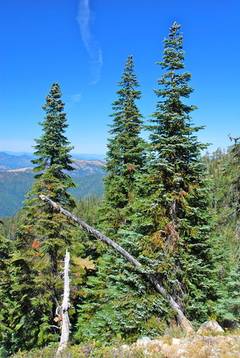
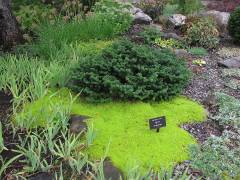
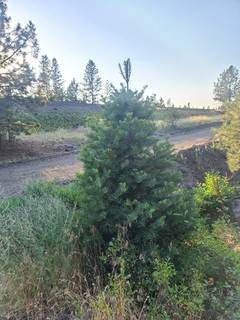
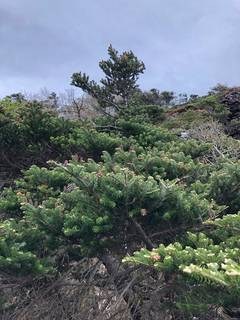
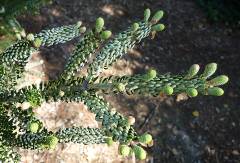
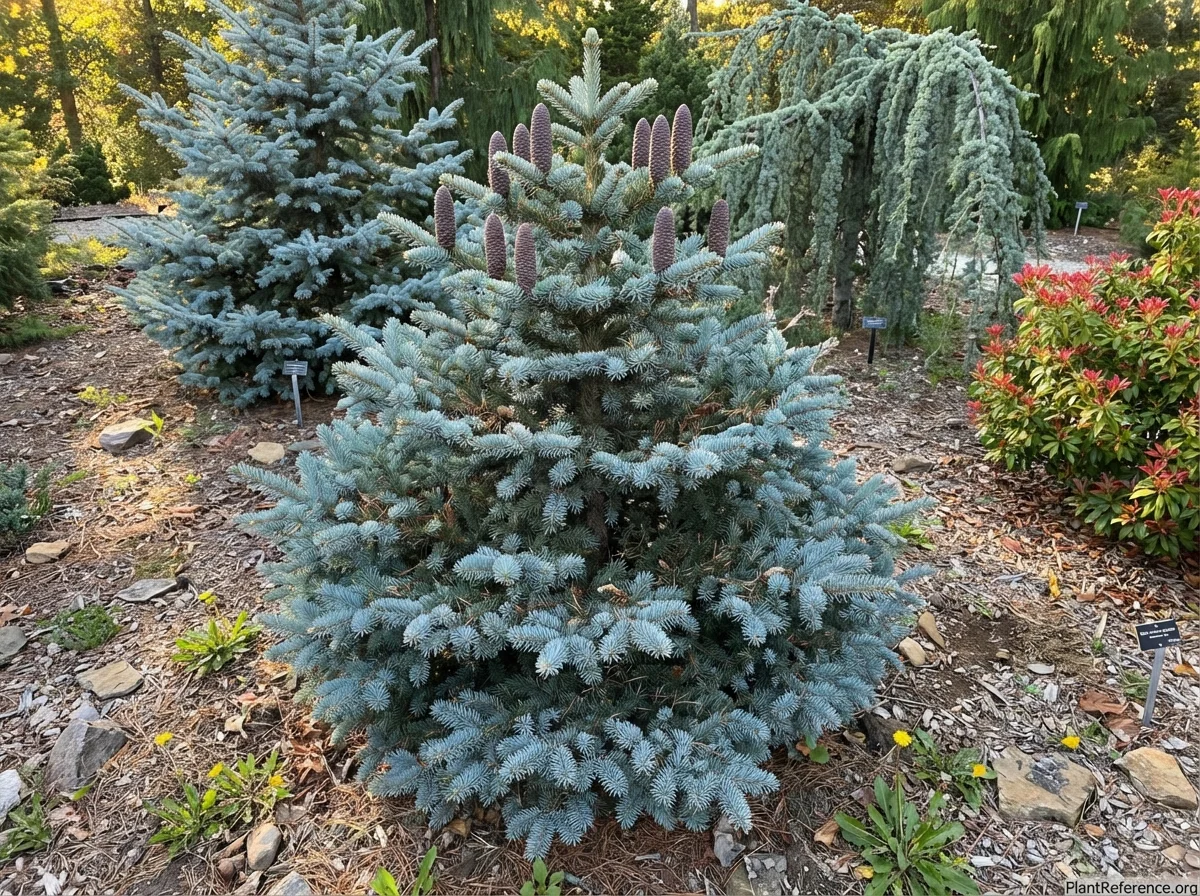
Abies pinsapo 'Glauca' is a cultivar of the Spanish fir selected for intensely steel-blue to silver-blue foliage, growing 30–50 feet (9–15 m) tall and 15–25 feet (4.5–7.5 m) wide — slightly smaller at maturity than the species type, which reaches 40–60 feet (12–18 m). The tree forms a dense, broadly pyramidal crown. Needles are short and stiff, 0.5–0.75 inch (12–18 mm) long, radiating in all directions around the shoot in a hedgehog-like arrangement, the same radial pattern as the species but with thicker wax deposits producing the steel-blue to silver-blue color rather than the dark blue-green of the type. Cones are cylindrical, upright, 4–6 inches (10–15 cm), borne on upper branches, and disintegrate on the tree at maturity. Bark is smooth and gray on young trees, developing shallow furrowed plates with age. Growth rate is moderate, reaching mature size in 15–25 years. The species A. pinsapo is native to three isolated mountain populations in southern Spain and northern Morocco and is listed as IUCN Endangered. Full sun produces the most saturated blue coloring; shade shifts foliage toward green. The cultivar tolerates alkaline and chalk soils to pH 7.5, unlike most firs, but is not cold-hardy below zone 7 and performs poorly in hot, humid summer climates above zone 9.
Native Range
The species A. pinsapo is native to southern Spain (Serranía de Ronda) and northern Morocco, at elevations of 3,000–6,000 feet (900–1,800 m). 'Glauca' is a cultivar selected from seedlings for intensified blue needle color.Suggested Uses
Grown as a medium to large coniferous specimen in zones 7–9. Standard spacing is 15–25 feet (4.5–7.5 m) from adjacent trees and structures. Tolerates alkaline and chalk soils, which expands siting to calcareous landscapes where most firs decline. Not cold-hardy below zone 7 and not tolerant of hot, humid summers.How to Identify
Appearance
Size & Dimensions
Height30' - 50'
Width/Spread15' - 25'
Reproduction
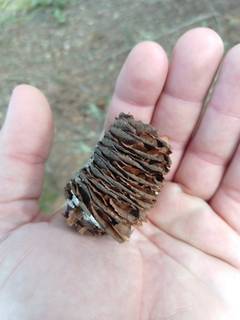
Pollen is released in spring. Cones are cylindrical, upright, 4–6 inches (10–15 cm), borne on upper branches. Cones ripen and disintegrate on the tree in autumn.
Detailed Descriptions
Foliage Description
steel-blue to silver-blue, short, stiff, radially arranged, 0.5-0.75 inch (12-18 mm)Growing Conditions
Sun Requirements
Requires 5-10 hours of direct sunlight daily
• Full Sun: 6+ hours of direct sunlight
• Partial Shade: 3-6 hours of direct sunlight
• Full Shade: Less than 3 hours of direct sunlight