Abies, Genus, balsamea, Species,
- Genus & species
balsam fir
Native to northeastern North America, from Labrador and Newfoundland west to Alberta and south through the Great Lakes states and New England to Virginia in the Appalachian highlands; the species occurs in boreal and northern mixed forests on moist acidic well-drained soils from near sea level in the north to approximately 5,500 ft (1,700 m) in the southern Appalachians; in the Pacific Northwest, the species is poorly adapted — it requires cold winters (minimum -40°F / -40°C) and cool humid summers, and declines in zones warmer than USDA 5
Overview
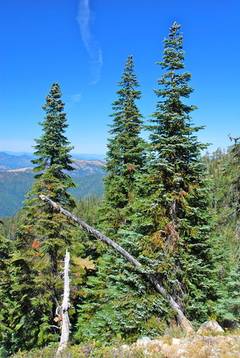
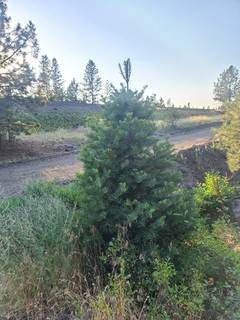
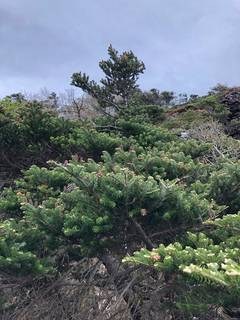
Abies balsamea is a medium-sized narrowly conical evergreen conifer in the pine family (Pinaceae), growing 40-60 ft (12-18 m) tall and 15-25 ft (4.5-7.5 m) wide at maturity. The crown is dense, symmetrical, and spire-like, tapering to a single point. Bark is thin, smooth, grey, punctuated by raised balsam blisters (resin vesicles) that exude a clear aromatic resin when punctured — the source of Canada balsam, used historically as a microscope mounting medium and for sealing optical elements. Needles are flat, 0.5-1 inch (12-25 mm) long, dark green and glossy above with two prominent white stomatal bands beneath, spirally arranged but twisted at the base to appear two-ranked. Crushed needles release a strong sweet balsamic fragrance. Cones are upright, cylindrical, 2-3.5 inches (5-9 cm) long, purple to grey-green when immature, ripening to brown and disintegrating on the branch in autumn — like all true firs, cones are never found intact on the ground. The species is a dominant tree of the boreal forest across northeastern North America, where it is the primary host of spruce budworm (Choristoneura fumiferana); periodic outbreaks of the budworm cause widespread mortality in mature stands. Short-lived for a conifer — rarely exceeding 150 years. Shallow-rooted and susceptible to windthrow on exposed sites. In the Pacific Northwest, the species is poorly adapted: it requires cold winters (minimum -40°F / -40°C) and cool humid summers, and declines in zones warmer than USDA 5. Not recommended for the Puget Sound lowlands.
Native Range
Abies balsamea is native to northeastern North America, from Labrador and Newfoundland west to Alberta and south through the Great Lakes states and New England to Virginia in the Appalachian highlands. The species occurs in boreal and northern mixed forests on moist acidic well-drained soils from near sea level in the north to approximately 5,500 ft (1,700 m) in the southern Appalachians.Suggested Uses
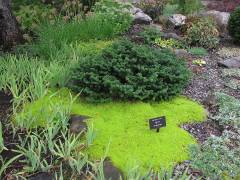
Planted as a specimen tree, screen, or windbreak in cold-climate landscapes (USDA zones 3-5). The traditional Christmas tree species in northeastern North America — the strong balsamic fragrance and dense branching are valued for this use. Canada balsam resin is harvested commercially from bark blisters. The dwarf cultivar 'Nana' (3-4 ft / 90-120 cm tall, mounding) is used in rock gardens and foundation plantings.How to Identify
Appearance
Size & Dimensions
Height40' - 60'
Width/Spread15' - 25'
Bloom Information
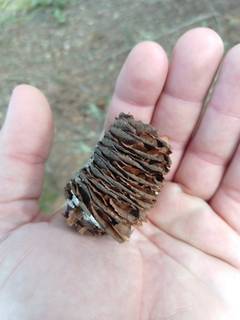
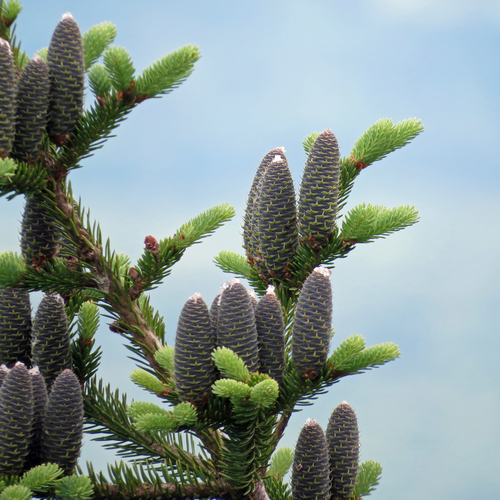
Male pollen cones are small, reddish to yellow, clustered on the underside of branches, releasing pollen in May through June. Female seed cones develop upright on upper branches, 2-3.5 inches (5-9 cm) long, purple-green when immature, ripening to brown by September through October. Cones disintegrate on the branch, releasing winged seeds — only the central cone axis (rachis) persists on the branch through winter.
Detailed Descriptions
Flower Description
Purple to grey-green upright cylindrical seed cones 2-3.5 inches (5-9 cm) long that ripen to brown and disintegrate on the branch in autumn — like all true firs, cones are never found intact on the groundFoliage Description
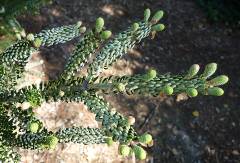
Dark green glossy upper surface with two prominent white stomatal bands beneath; flat needles 0.5-1 inch (12-25 mm) long spirally arranged but twisted at the base to appear two-rankedGrowing Conditions
Sun Requirements
Requires 4-8 hours of direct sunlight daily
• Full Sun: 6+ hours of direct sunlight
• Partial Shade: 3-6 hours of direct sunlight
• Full Shade: Less than 3 hours of direct sunlight
Care & Maintenance
Care Guide
Plant in full sun to partial shade in moist acidic well-drained soil at pH 4.5-6.0. Space 15-20 ft (4.5-6 m) apart. The species requires cool humid conditions and does not tolerate heat, drought, or dry wind. In USDA zones 3-5, water regularly during the first 3 years; once established, supplemental irrigation is needed only during extended dry spells. Mulch with 3-4 inches (8-10 cm) of acidic organic material (pine needles, bark chips). The species is not suited to alkaline soil or exposed windy sites. Susceptible to spruce budworm, balsam woolly adelgid (Adelges piceae), and needle rust. In the Pacific Northwest, the species is limited to cool high-elevation sites or the northernmost regions and is not suited to lowland Puget Sound conditions.Pruning
No routine pruning is required since the natural conical form is self-maintaining. Remove dead or damaged branches at any time of year. If a double leader develops, remove the weaker stem in late winter to maintain a single central leader. Do not shear or top.Pruning Schedule
Prune: February–March
late spring