Image 1 of 5
1 / 5
Plant Reference
Abies, Genus, balsamea, Species, 'Nana', Cultivar,
- Genus & species
- Cultivar
dwarf balsam fir
Boreal forests of northeastern North America, Newfoundland to Alberta south through the Great Lakes region
Overview
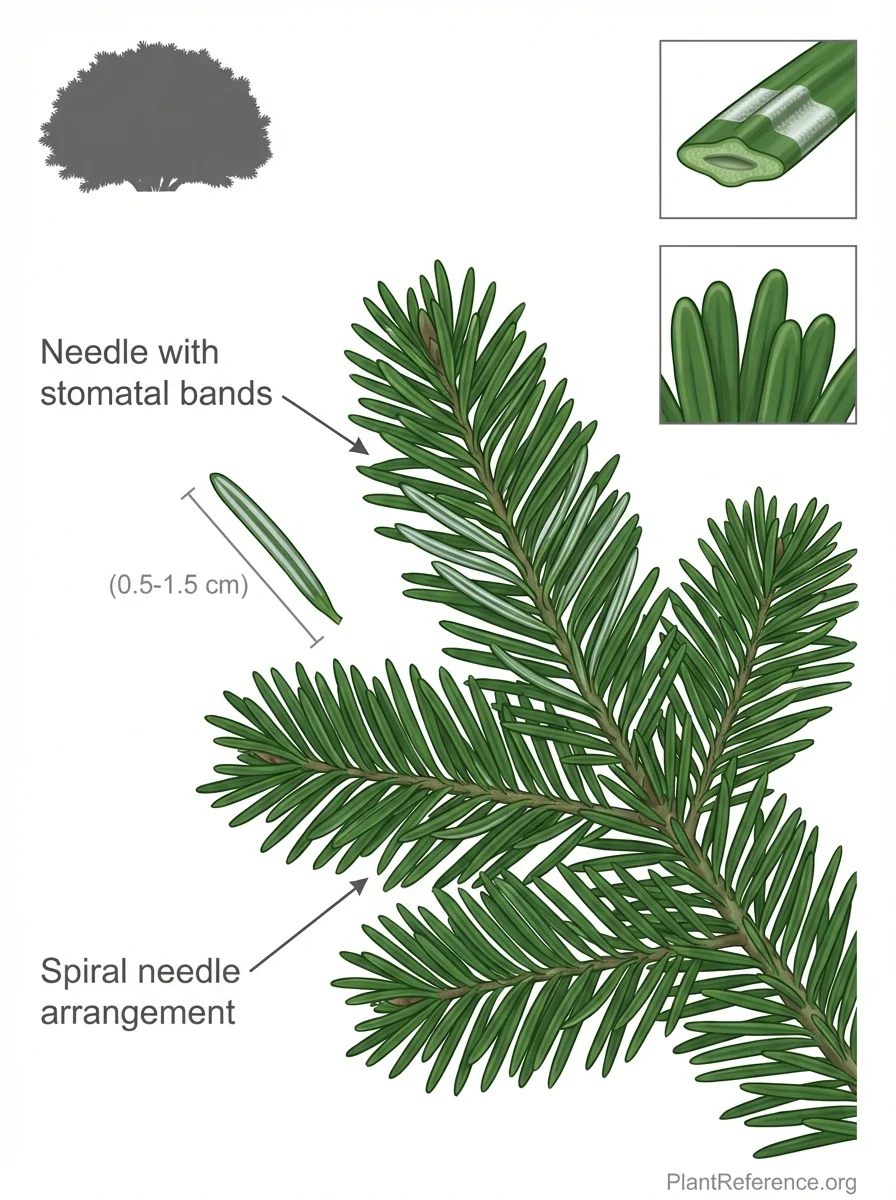
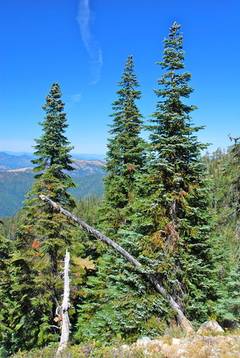
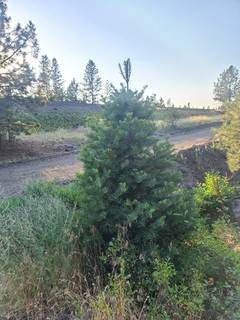
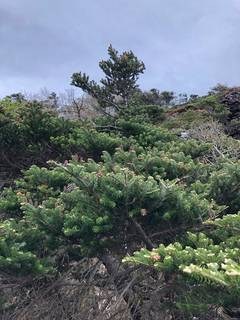
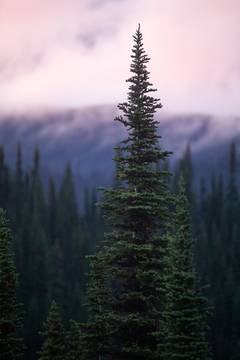
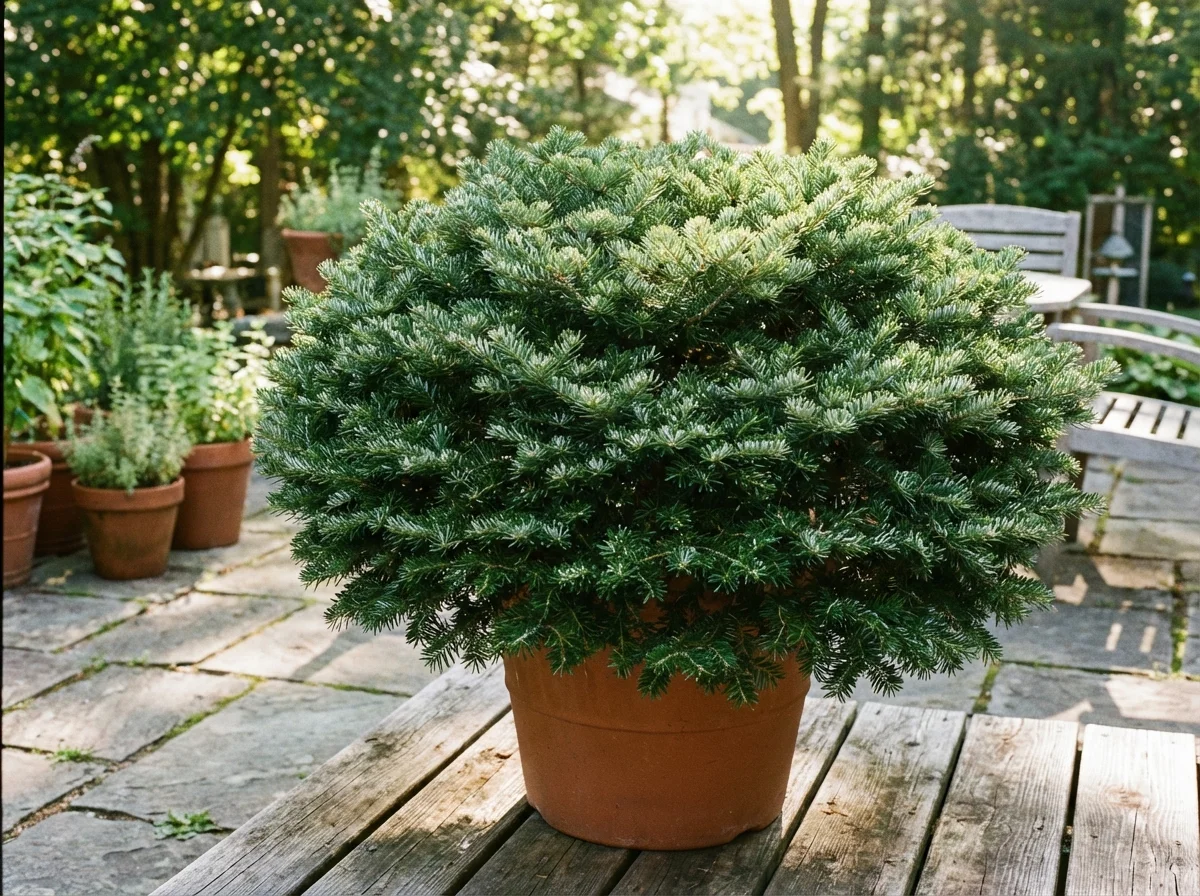
Abies balsamea 'Nana' is a dwarf, cushion-forming evergreen coniferous shrub growing 2-3 feet (60-90 cm) tall and 2-4 feet (60-120 cm) wide, reaching mature size over 20-30 years at a rate of less than 1 inch (2.5 cm) per year. The flat, soft needles are 0.5-1 inch (12-25 mm) long, arranged in two ranks on the branchlets, deep glossy green above with two silvery-white stomatal bands on the underside. Foliage releases a balsam fragrance when bruised or crushed. The habit is a dense, rounded to broadly flat-topped cushion without a central leader, in contrast to the pyramidal form of the species A. balsamea which reaches 45-75 feet (14-23 m). Cone production is rare in 'Nana'; the species produces upright purple-green female cones 1.5-3 inches (4-8 cm) that disintegrate on the tree. Requires cool, consistently moist, acidic conditions. Does not tolerate heat, drought, alkaline soils, or polluted urban air. Non-toxic. Deer-resistant.
Native Range
Abies balsamea is native to the boreal forests of northeastern North America from Newfoundland west to Alberta and south through the Great Lakes region to the northeastern United States. The 'Nana' cultivar is of garden origin and does not occur in wild populations.Suggested Uses
Grown as a specimen dwarf conifer in rock gardens, alpine collections, dwarf conifer gardens, and containers of at least 5 gallons (19 L) with acidic potting mix. The year-round fragrant, deep-green cushion form and silvery-banded needle undersides add texture to small-scale plantings. Combines with other dwarf conifers and low-growing heathers in acidic-soil settings. Not adapted to hot or dry climates. Hardy in zones 3-6.How to Identify
Appearance
Size & Dimensions
Height2' - 3'
Width/Spread2' - 4'
Bloom Information
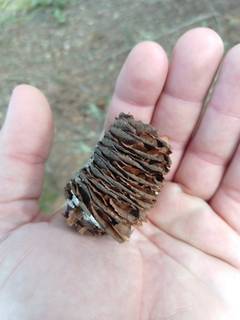
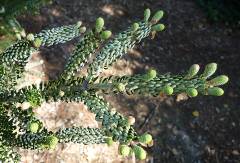
Cone production is rare in the dwarf form. The species releases pollen from small male strobili in May; upright female cones 1.5-3 inches (4-8 cm), purple-green when young, mature in August-September and disintegrate on the tree. 'Nana' is grown for its foliage form and fragrance.
Detailed Descriptions
Flower Description
rarely cones in dwarf form; species produces upright purple-green cones 1.5-3 inches (4-8 cm) maturing August-September, disintegrating on treeFoliage Description
deep glossy green above, two silvery-white stomatal bands beneath; flat soft needles 0.5-1 inch (12-25 mm) in two ranks; balsam-scented when bruisedGrowing Conditions
Sun Requirements
Requires 3-10 hours of direct sunlight daily
• Full Sun: 6+ hours of direct sunlight
• Partial Shade: 3-6 hours of direct sunlight
• Full Shade: Less than 3 hours of direct sunlight
Care & Maintenance
Care Guide
Site in full sun to partial shade (3-10 hours) in moist, humus-rich, acidic soil with a pH of 4.5-6.5. Requires cool, consistently moist conditions — does not tolerate heat, drought, or alkaline soils. Mulch to retain soil moisture and moderate root-zone temperatures. No fertilizer is required in organic-rich soils. Extremely slow-growing; mature size is reached over 20-30 years. Not suited to hot, dry, or polluted urban environments. Non-toxic. Deer-resistant. Hardy in zones 3-6.Pruning
No pruning is required for the natural form — the dense cushion habit is self-maintaining. Remove dead or damaged shoots in early spring (March). If an occasional vigorous upright shoot disrupts the mounded form, remove it at its base. Firs do not regenerate from bare old wood; cuts into leafless stems will not produce new growth.Pruning Schedule
Prune: March
early spring
Container Growing
Suitable for container growing
Minimum container size: 5 gallons
Toxicity
Non-toxicBotanical Flashcard