Image 1 of 20
1 / 20
Plant Reference
Abies, Genus, koreana, Species,
- Genus & species
Korean fir
High-elevation mountain forests of South Korea — Hallasan on Jeju Island, Jirisan, and Deogyusan ranges at 3,300-6,000 feet (1,000-1,800 m)
Overview
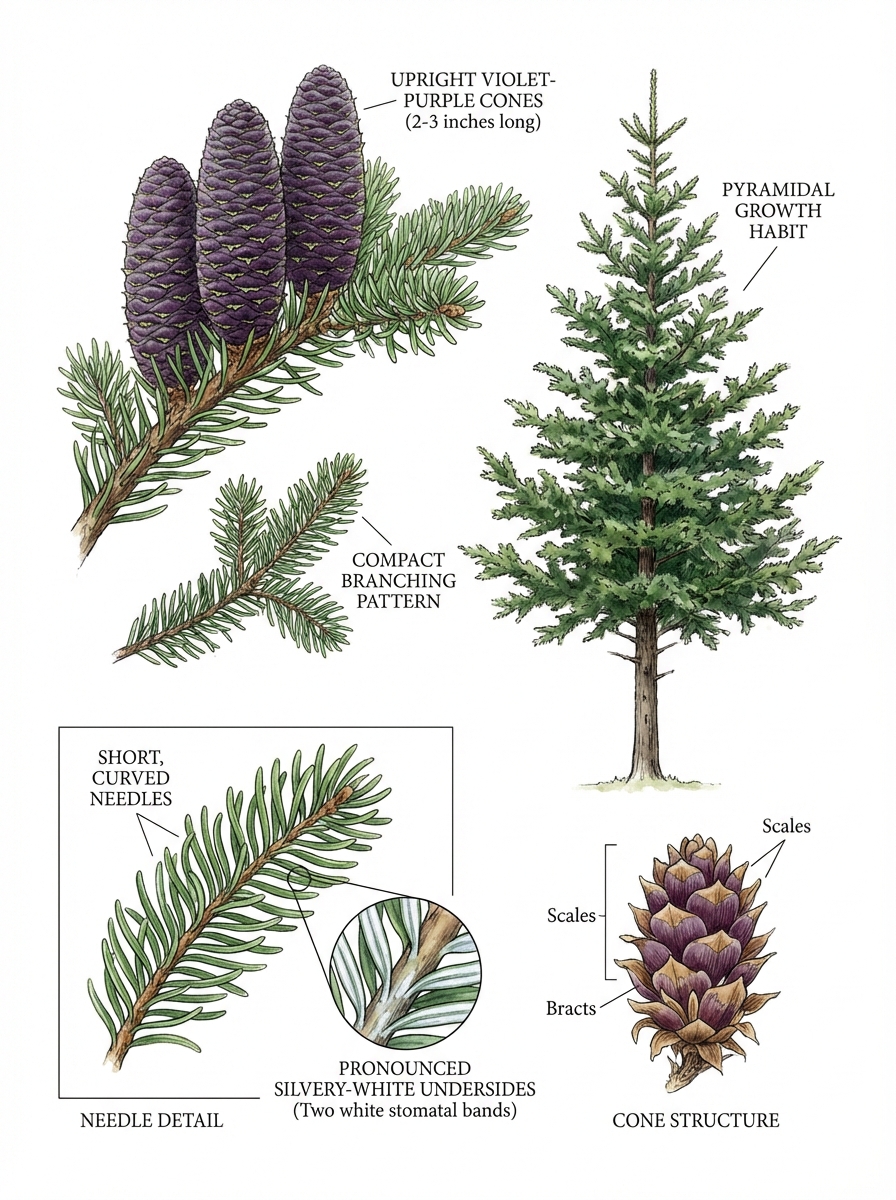
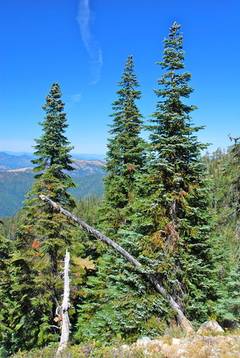
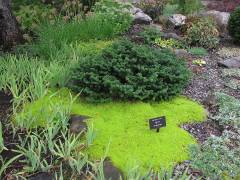
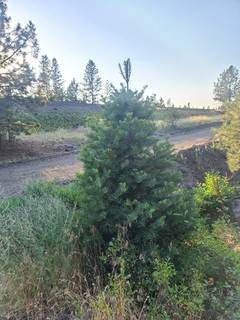
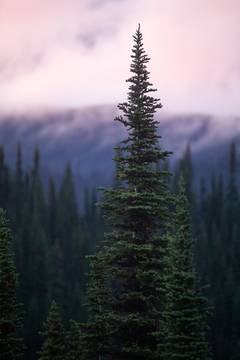
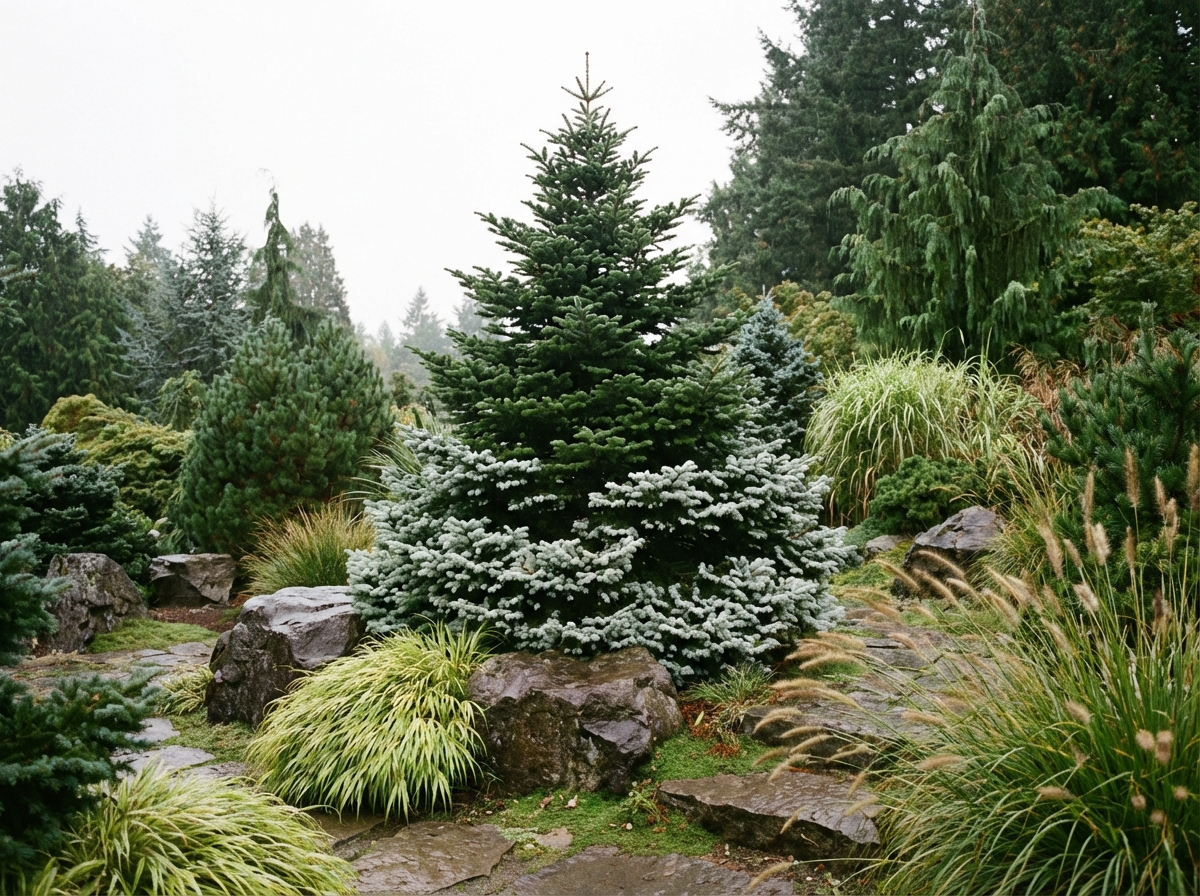
Abies koreana is Korean fir (Korean silver fir), a compact upright coniferous tree growing 15-30 feet (4.5-9 m) tall and 10-15 feet (3-4.5 m) wide. Deep green short forward-curving needles 0.5-0.75 inch (1.3-2 cm) with brilliant white stomatal bands beneath. Abundant upright violet-purple cones 2-3 inches (5-7 cm) on trees as young as 5-7 years — no other fir cones so prolifically at such a young age. In Pinaceae. Koreana = from Korea. The smallest commonly cultivated true fir — compact enough for smaller gardens. Native to South Korean mountains at 3,300-6,000 feet (1,000-1,800 m). A cool-climate specialist — not heat-tolerant. This heat intolerance is the primary limitation in warmer regions. Not drought-tolerant. Non-toxic. Deer-resistant. Zones 4-7. Part sun to full sun. Growth rate is slow.
Native Range
Native to high-elevation mountain forests of South Korea — Hallasan on Jeju Island, Jirisan, and Deogyusan mountain ranges at 3,300-6,000 feet (1,000-1,800 m).Suggested Uses
Grown as a compact coniferous specimen in smaller gardens and mixed borders, spaced 10-15 feet (3-4.5 m). Prolific violet-purple cones on young trees. Not heat-tolerant. Non-toxic. Zones 4-7.How to Identify
Appearance
Size & Dimensions
Height15' - 30'
Width/Spread10' - 15'
Bloom Information
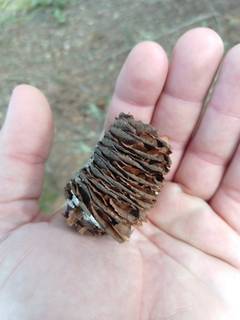
Not applicable — conifer. Wind-pollinated. Abundant upright violet-purple cylindrical cones 2-3 inches (5-7 cm) produced on trees as young as 5-7 years. Cones ripen and disintegrate on the tree September-October.
Detailed Descriptions
Foliage Description
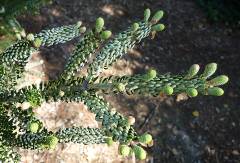
Deep green above, two brilliant white stomatal bands beneath; short forward-curving needles 0.5-0.75 inch (1.3-2 cm); the white undersides flash when wind lifts the branches; compact pyramidal form with branches to the groundGrowing Conditions
Sun Requirements
Requires 4-10 hours of direct sunlight daily
• Full Sun: 6+ hours of direct sunlight
• Partial Shade: 3-6 hours of direct sunlight
• Full Shade: Less than 3 hours of direct sunlight
Care & Maintenance
Care Guide
Part sun to full sun (4-10 hours). Well-drained soil pH 5.0-7.0. Not heat- or drought-tolerant — requires cool moist conditions. Compact size (15-30 feet / 4.5-9 m) suitable for smaller gardens. Minimal pruning. Non-toxic. Deer-resistant. Zones 4-7.Pruning
Minimal pruning needed. Remove dead or damaged branches in early spring (March-April). Do not top. The compact pyramidal form is naturally maintained.Pruning Schedule
Prune: March–April
early spring
Toxicity
Non-toxicPlanting Guide
Botanical Flashcard