Image 1 of 5
1 / 5
Plant Reference
Abies, Genus, concolor, Species,
- Genus & species
white fir
Western United States — mountain forests from southern Idaho and Oregon south through the Rocky Mountains, Great Basin, and Sierra Nevada to northern Mexico; 3,500-10,500 feet (1,100-3,200 m)
Overview
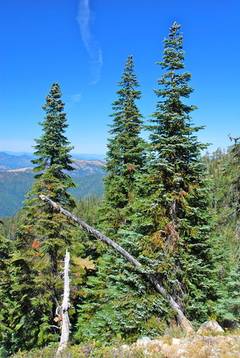
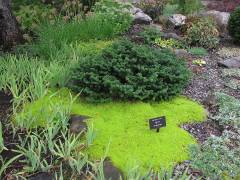
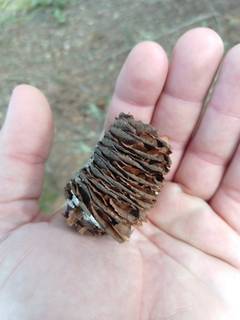
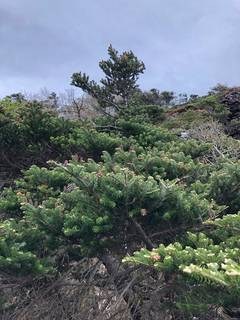
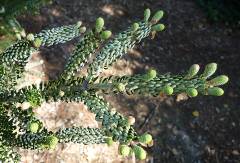
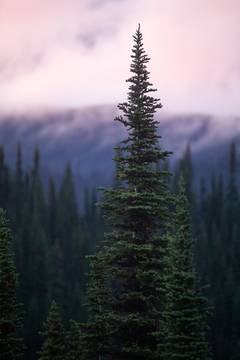
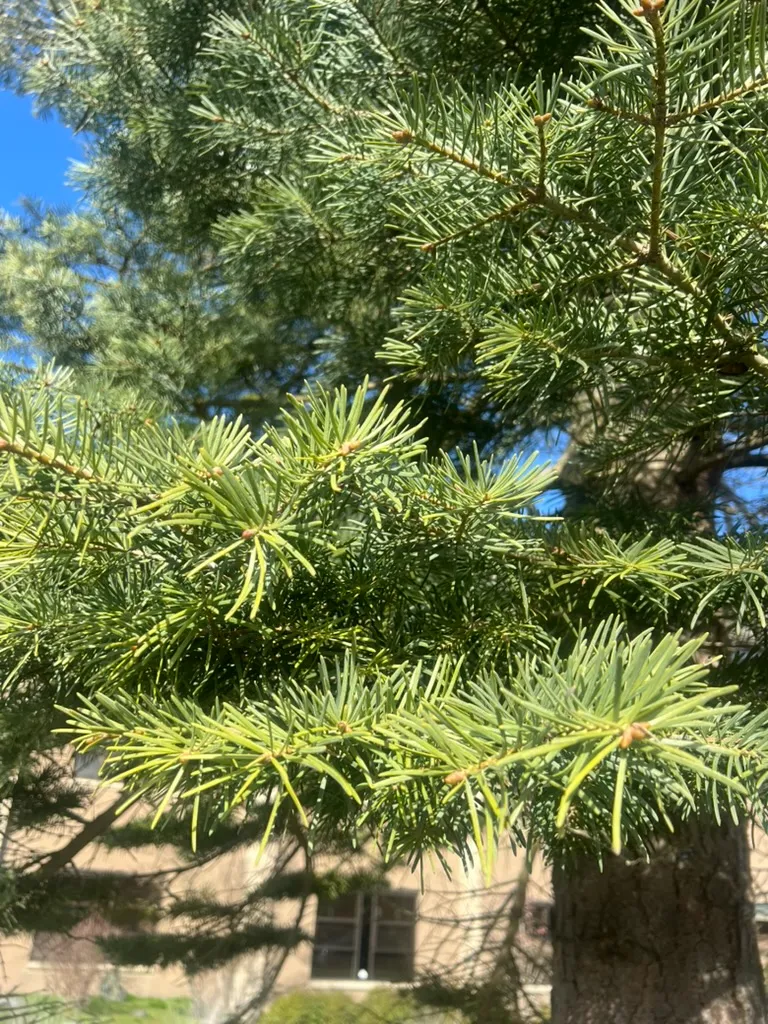
Abies concolor is an upright coniferous evergreen tree growing 40-70 feet (12-21 m) tall and 15-25 feet (4.5-7.5 m) wide with a symmetrical pyramidal crown. Needles are long, soft, and curved, 1.5-3 inches (4-7 cm) — longer than those of other North American firs. Both needle surfaces are blue-gray to silvery-blue; the species name concolor (same color) refers to this uniform coloration, in contrast to firs with green upper and white lower needle surfaces. A subtle citrus-lemon fragrance is released when needles are crushed. Upright cylindrical cones, 3-5 inches (7-13 cm), are greenish-purple aging to pale brown and disintegrate on the tree. Native to mountain forests of the western United States from southern Idaho and Oregon south through the Rocky Mountains and Sierra Nevada to northern Mexico at 3,500-10,500 feet (1,100-3,200 m). Tolerates a wider pH range (5.0-7.5) than most Abies, which typically require acidic soil. Drought-tolerant once established — adapted to the drier interior mountain forests. The large mature size of 40-70 feet (12-21 m) requires a correspondingly large site. Commonly grown as a Christmas tree. Non-toxic. Deer-resistant.
Native Range
Native to the western United States, in mountain forests from southern Idaho and Oregon south through the Rocky Mountains, Great Basin, and Sierra Nevada to northern Mexico at 3,500-10,500 feet (1,100-3,200 m) elevation.Suggested Uses
Grown as a large blue-needled coniferous specimen on large sites, spaced 15-25 feet (4.5-7.5 m) apart. Also commonly grown as a Christmas tree. The blue-gray needle color, citrus fragrance, and drought tolerance separate it from other firs in landscape use. Not adapted to small residential lots. Non-toxic. Hardy in zones 3-7.How to Identify
Appearance
Size & Dimensions
Height40' - 70'
Width/Spread15' - 25'
Bloom Information
Not applicable — conifer. Wind-pollinated. Male strobili release pollen in May. Upright cylindrical cones, 3-5 inches (7-13 cm), greenish-purple aging to pale brown, ripen and disintegrate on the tree September-October. Seeds are eaten by Clark's nutcrackers, chickadees, and squirrels.
Detailed Descriptions
Foliage Description
blue-gray to silvery-blue on both surfaces (concolor = same color); long soft curved needles 1.5-3 inches (4-7 cm); subtle citrus-lemon fragrance when crushedGrowing Conditions
Sun Requirements
Requires 6-12 hours of direct sunlight daily
• Full Sun: 6+ hours of direct sunlight
• Partial Shade: 3-6 hours of direct sunlight
• Full Shade: Less than 3 hours of direct sunlight
Care & Maintenance
Care Guide
Site in full sun (6-12 hours) in well-drained soil with a pH of 5.0-7.5; tolerates a wider pH range than most firs. Drought-tolerant once established — more tolerant of dry conditions than other North American Abies. Large mature size (40-70 feet / 12-21 m) requires planning for eventual canopy spread. No routine pruning. Non-toxic. Deer-resistant. Hardy in zones 3-7.Pruning
No routine pruning is needed — the pyramidal form develops naturally. Remove dead or damaged branches in late spring (April). The central leader should not be removed; firs will not regenerate a lost terminal leader.Pruning Schedule
Prune: April
late spring