When to Plant Peppers in Indianapolis: Complete Guide + Best Varieties for Zone 5b
Pets & Toxicity
Recorded toxicity for plants linked in this guide. An unknown status is not a safety assessment.
Toxic to pets: Poblano pepperDetailsHide
Capsicum annuum 'California Wonder' — Toxicity
Non-toxicView Capsicum annuum 'California Wonder' plant profileCapsicum chinense 'Habanero' — Toxicity: Not assessed
Fruit contains capsaicin at 100,000–350,000 Scoville Heat Units — strong enough to cause severe burning on skin, eyes, and mucous membranes through simple contact with cut fruit or the hand that held it. Nitrile gloves are used during handling and food preparation; face and eye contact is avoided. The fruit is irritating rather than toxic in the usual sense, but the heat level can cause significant discomfort and real injury if mishandled. The plant is kept out of reach of children and pets.View Capsicum chinense 'Habanero' plant profileCapsicum annuum 'Poblano' — Toxicity Warning
Toxic to petsView Capsicum annuum 'Poblano' plant profileCapsicum annuum 'Jalapeño' — Toxicity: Not assessed
Capsaicin in fruit causes burning sensations in mouth and on skin. Fruit and handling oils are irritating to eyes and mucous membranes but are not toxic in the usual sense. Gloves are used during harvesting and processing; hands are washed thoroughly before touching face. Small amounts are generally safe for pets but can cause digestive upset.View Capsicum annuum 'Jalapeño' plant profile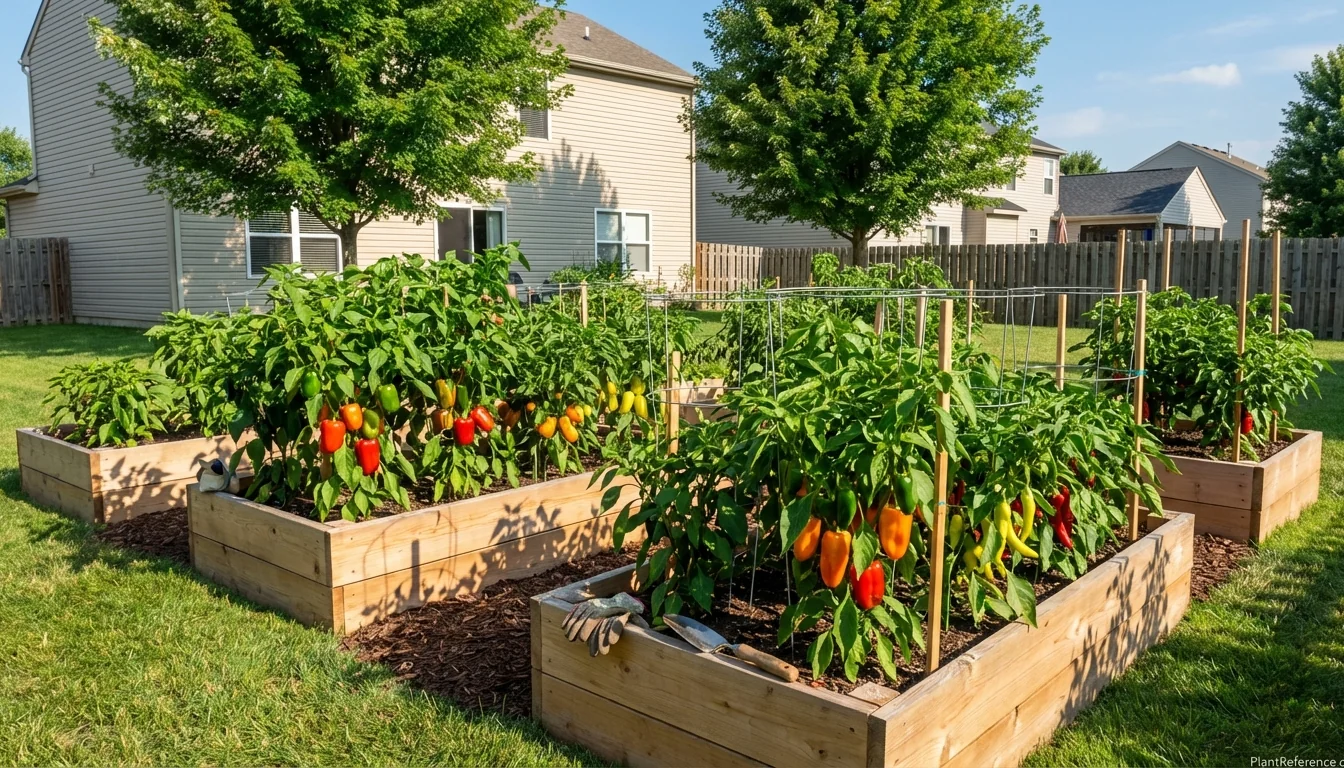
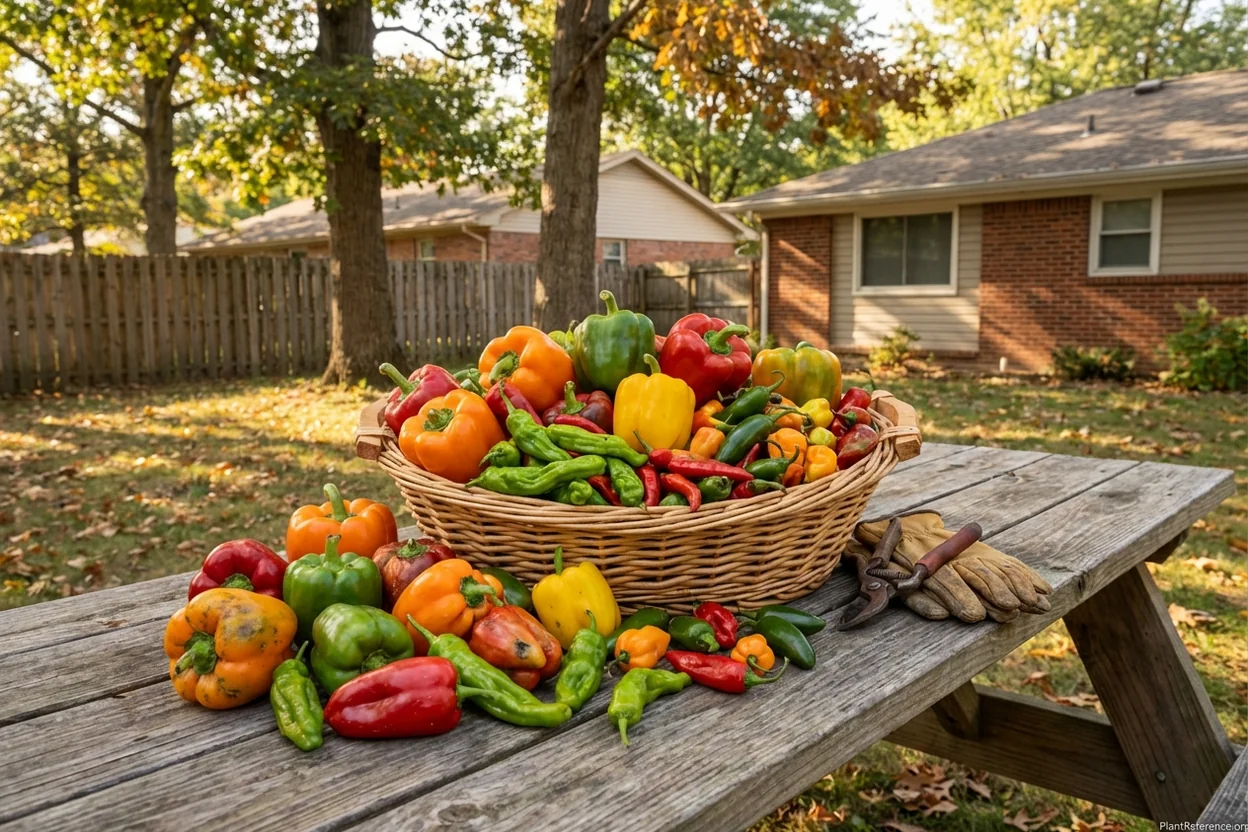
— Image © Plant Reference 2026
Growing peppers in Indianapolis presents unique challenges, but with forty years of Indiana gardening under my belt, I'll tell you exactly when to plant peppers in Indianapolis for maximum success. Zone 5b gives us a decent 158-day growing season, but timing is everything when it comes to heat-loving peppers.
The key to pepper success in Indianapolis lies in understanding our Zone 5b climate. Our average last frost hits May 4, but don't be fooled—soil temperatures lag behind air temperatures by several weeks. Peppers are tropical plants that sulk in cold soil, and I've seen too many Indianapolis gardeners lose entire crops by rushing the planting process.
Best Pepper Varieties for Indianapolis's Zone 5b Climate
After decades of trial and error in central Indiana, I've learned which peppers actually produce in our climate and which ones are a waste of garden space. The varieties I'm recommending have proven themselves in my own Indianapolis garden, year after year.
Variety | Days to Maturity | Best For | Notes for Indianapolis |
|---|---|---|---|
60-70 days | Quick harvest | Perfect for Zone 5b short season | |
65-75 days | Pickling/fresh | Reliable in cool summers | |
70-80 days | Salsa/cooking | Choose early varieties only | |
70-80 days | Stuffing/fresh | Needs warm microclimate | |
65-80 days | Roasting | Plant in warmest spot | |
70-85 days | Pickling | Heat tolerant for late summer | |
70-85 days | Drying/spice | Thin walls dry quickly | |
90-120 days | Hot sauce | Container growing recommended |
Early Season Champions (60-75 days)
🌿Capsicum annuum 'Shishito' tops my list for Indianapolis gardeners. These Japanese peppers mature in just 60-70 days, giving you a full harvest window before our October 9 first frost. The plants stay compact but produce heavily, and you can start harvesting when the pods are just 3-4 inches long.
🌿Capsicum annuum 'Sweet Banana' follows close behind at 65-75 days. The yellow wax-type peppers handle our variable spring weather better than most varieties, and the plants keep producing right up until frost. I've had good luck with these even in cooler summers when other varieties struggled.
Mid-Season Reliability (70-85 days)
🌿Capsicum annuum 'Early Jalapeño' works in Indianapolis if you choose early varieties specifically. Skip the standard 80-90 day types and look for selections that mature in 70-80 days. These give you enough time for a proper harvest before cold weather hits.
🌿Capsicum annuum 'California Wonder' can succeed here, but it needs your warmest, most protected spot. I plant mine against the south side of my house where the foundation radiates heat and the wall blocks north winds.
Long Season Challenges (85+ days)
🌿Capsicum chinense 'Habanero' requires special handling in Indianapolis. The 90-120 day maturation period pushes the limits of our 158-day season. I grow these exclusively in large containers so I can move them into the garage during early fall cold snaps, extending the ripening window into November.
Specific Planting Dates for Indianapolis
Here's your exact timeline for pepper success in Indianapolis. I've calculated these dates based on our May 4 average last frost and decades of local experience.
Indoor Seed Starting: March 1-8
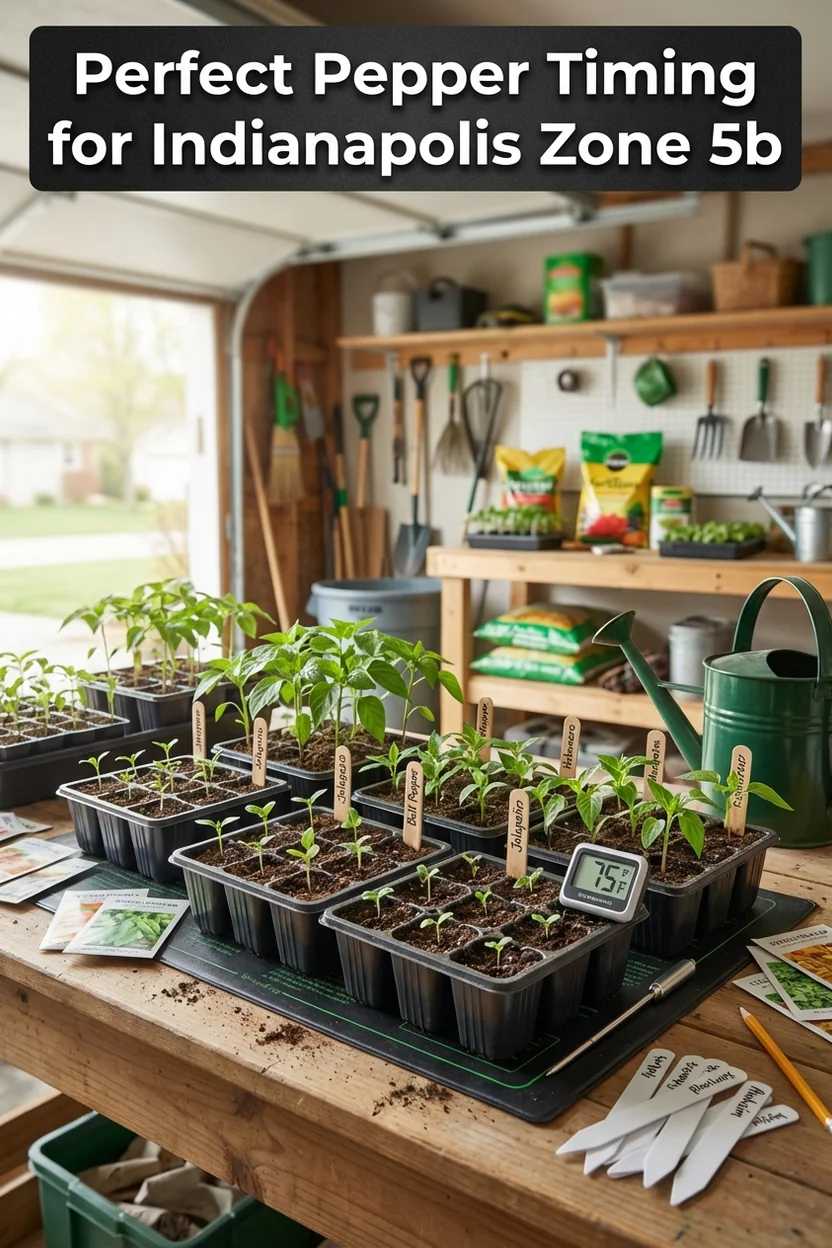
Start pepper seeds indoors exactly 8-9 weeks before transplanting. For Indianapolis, this means sowing seeds during the first week of March. Use a heat mat to maintain soil temperature at 80-85°F—pepper seeds are notoriously slow and unreliable without consistent bottom heat.
I start my seeds on March 1 regardless of what's happening outside. Snow might still be flying, but those seedlings need every bit of our growing season. 🌿Capsicum chinense 'Habanero' gets started first, followed by the others a few days later.
Hardening Off: May 1-7
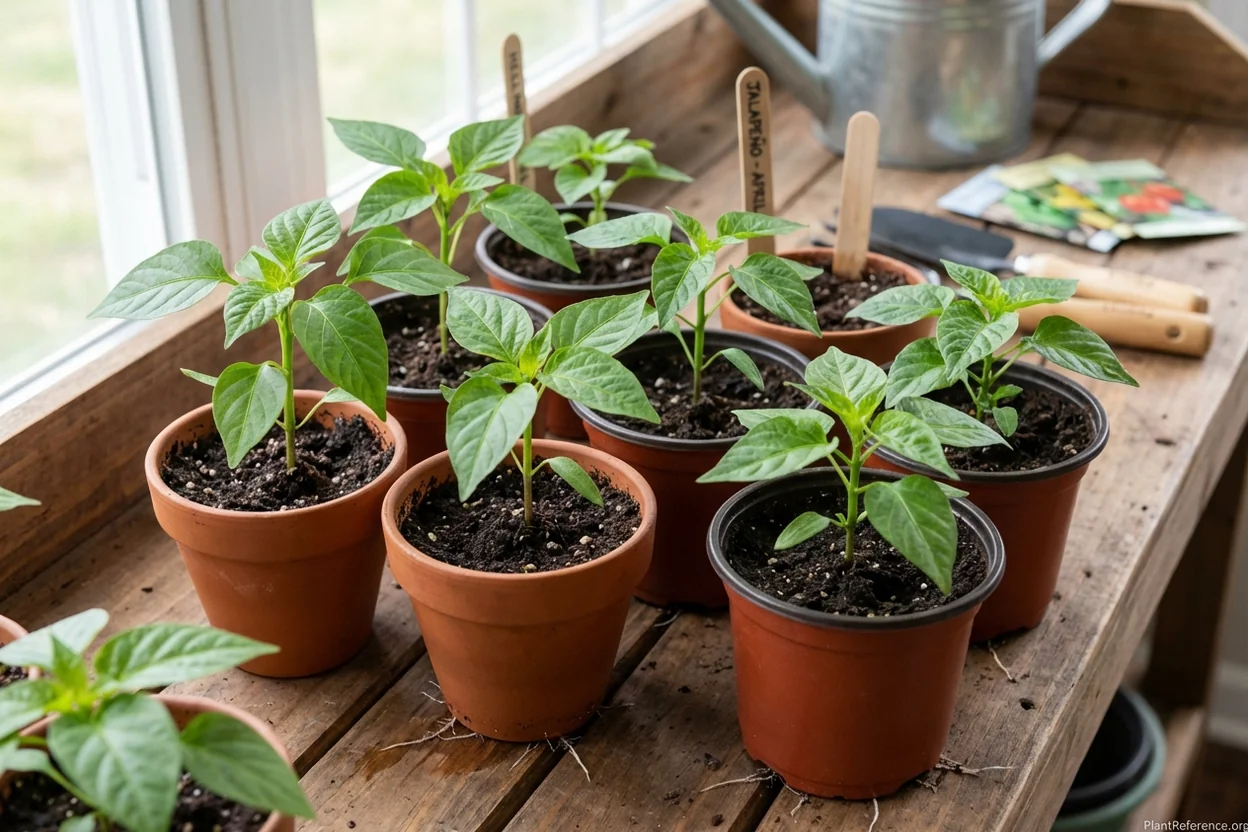
Begin hardening off seedlings the week before transplanting. This gradual acclimation prevents transplant shock that can set plants back weeks. Start with 2-3 hours of morning sun, gradually increasing exposure over 5-7 days.
Transplant Outdoors: May 11-18
Don't transplant on the frost-free date—wait an additional week for soil temperatures to stabilize. Soil temperature is more critical than air temperature for peppers. I use a soil thermometer and won't transplant until the soil reads 60°F consistently for three consecutive mornings.
Late May in Indianapolis typically provides the stable warm conditions peppers require. If we get a cold snap, protect transplants with cloches or row covers.
First Harvest: July 15-30
Early varieties like 🌿Capsicum annuum 'Shishito' typically reach harvestable size by mid-July. This gives you nearly three months of harvest before frost—plenty of time for multiple flushes of fruit.
Main Harvest Season: August-September
Peak production occurs during our hot August and September weather. This is when even longer-season varieties like 🌿Capsicum annuum 'California Wonder' hit their stride.
Season End: October 9
Indianapolis typically sees its first killing frost around October 9. Harvest all remaining fruit before this date, including green peppers which will ripen indoors if mature-sized.
Complete Growing Guide for Indianapolis Peppers
Success with peppers in Indianapolis requires attention to our specific growing conditions—variable spring weather, humid summers, and the ever-present threat of early fall frost.
Soil Preparation
Indianapolis clay soil presents challenges for peppers, which prefer well-draining conditions. I work in 2-3 inches of compost every spring to improve both drainage and soil warming. Heavy clay holds moisture too long in spring and can cause root rot in cool, wet conditions.
Raised beds give you a significant advantage in Indianapolis. Even a 6-8 inch raised bed drains faster and warms up 2-3 weeks earlier than ground level. I've been using raised beds for thirty years and won't go back to ground-level planting for heat-loving crops.
Temperature Management
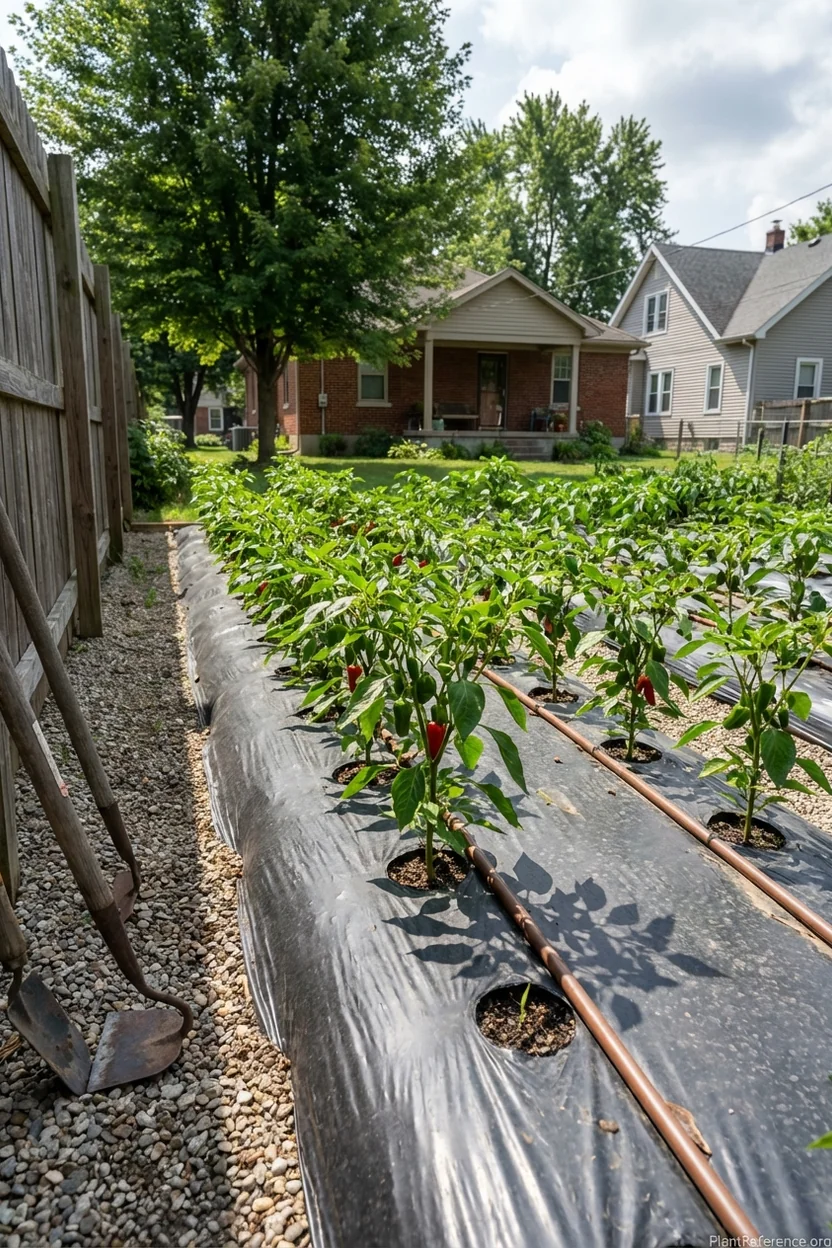
Black plastic mulch is essential for pepper success in Indianapolis. Lay it down 2-3 weeks before transplanting to warm the soil. This simple technique raises soil temperature 8-10°F, effectively giving you a Zone 6 growing environment.
Row covers provide additional protection during unseasonable cool spells. I keep lightweight floating row covers handy throughout the season for nights when temperatures drop below 55°F.
Watering Strategy
Indianapolis receives adequate rainfall most seasons, but peppers need consistent moisture during fruit development. Irregular watering causes blossom end rot and cracking in large-fruited varieties like 🌿Capsicum annuum 'California Wonder'.
Drip irrigation or soaker hoses work best, delivering water directly to the root zone without wetting foliage. This reduces disease pressure during our humid summer months.
Fertilizing Schedule
Peppers are moderate feeders that respond well to balanced nutrition. I side-dress with compost in mid-July when plants begin setting fruit heavily. Avoid high-nitrogen fertilizers after mid-summer, which promote leafy growth at the expense of fruit production.
Support Systems
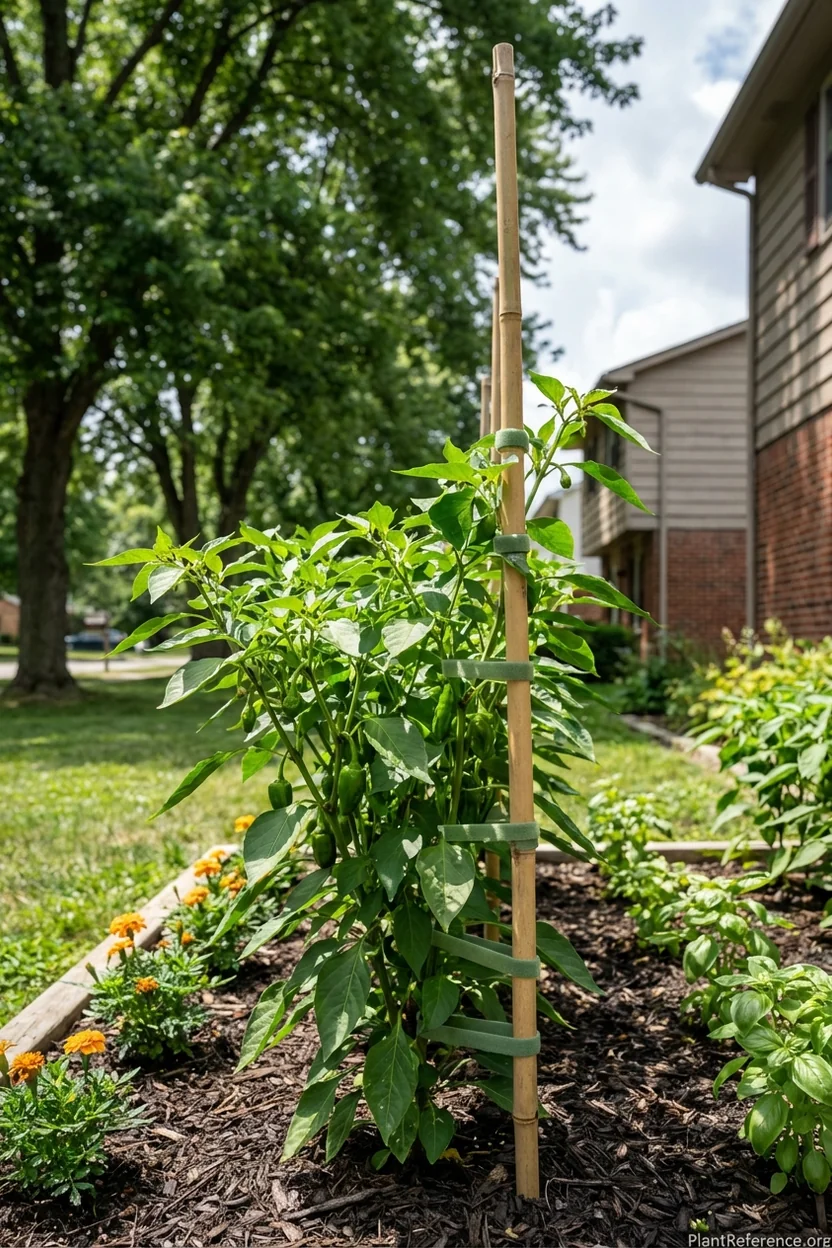
Even compact pepper varieties benefit from support in Indianapolis. Our summer thunderstorms can flatten unsupported plants loaded with fruit. I use 3-foot bamboo stakes for smaller varieties and 4-foot cages for larger types like 🌿Capsicum annuum 'Poblano'.
Troubleshooting Indianapolis-Specific Problems
Forty years of growing peppers in Indianapolis has taught me to expect certain challenges. Here's how to handle the most common problems we face in Zone 5b.
Slow Early Growth
Peppers often appear stunted during Indianapolis's variable spring weather. Cool soil temperatures below 60°F cause peppers to "sulk"—they'll survive but won't grow vigorously until conditions improve.
The solution is patience and soil warming techniques. Don't transplant too early, and use black plastic mulch or cloches to maintain soil temperature. Once soil consistently stays above 65°F, growth will accelerate rapidly.
Blossom Drop
High humidity combined with cool nights often causes flower drop in Indianapolis during May and early June. Night temperatures below 60°F or above 75°F disrupt pollen formation and fruit set.
This problem typically resolves itself as weather stabilizes in mid-June. Row covers can help moderate temperature swings during the critical early flowering period.
Sunscald on Fruit
Indianapolis's intense summer sun can bleach exposed peppers, especially on varieties with sparse foliage like 🌿Capsicum annuum 'Hungarian Wax'. This creates papery, whitened areas on the sun-facing side of fruit.
Maintain dense foliage by avoiding over-pruning. In extreme heat, shade cloth providing 30% shade prevents sunscald without reducing yields significantly.
Pest Pressure
Aphids thrive in Indianapolis's humid conditions and can vector mosaic viruses. Check plants weekly during peak summer and remove aphids with a strong spray of water.
Cutworms attack transplants in spring. Collar each transplant with a cardboard tube extending 2 inches above and below soil level.
Disease Issues
Bacterial spot and anthracnose flourish in our humid summer climate. Avoid overhead watering, provide adequate plant spacing for air circulation, and remove any spotted or diseased leaves immediately.
Crop rotation prevents soil-borne diseases. Don't plant peppers in the same location more than once every three years.
Early Frost Protection
Indianapolis often experiences light frost in early October before the killing frost. Protect plants with blankets or row covers to extend the harvest 2-3 weeks. Container-grown plants can move to protected locations.
Harvest & Storage
Knowing when and how to harvest peppers maximizes both yield and quality from your Indianapolis garden. Different varieties require different harvesting strategies.
Harvest Timing
🌿Capsicum annuum 'Shishito' should be picked when pods reach 3-4 inches and are still bright green. Harvest every 2-3 days during peak season to encourage continued production.
🌿Capsicum annuum 'Sweet Banana' can be harvested yellow (immature) for a mild flavor or allowed to ripen to red for sweetness. The plants produce continuously if picked regularly.
Bell peppers like 🌿Capsicum annuum 'California Wonder' can be harvested green or allowed to ripen to full color. Colored peppers have better flavor but require an additional 2-3 weeks to mature.
Hot peppers develop full heat as they mature. 🌿Capsicum annuum 'Cayenne' reaches peak pungency when red-ripe, while 🌿Capsicum annuum 'Jalapeño' can be harvested green or red depending on intended use.
Storage Methods
Fresh peppers keep 1-2 weeks refrigerated in perforated plastic bags. Don't wash until ready to use, as moisture encourages rot.
Thick-walled varieties like 🌿Capsicum annuum 'California Wonder' freeze well. Remove seeds and slice before freezing for convenience.
Thin-walled hot peppers like 🌿Capsicum annuum 'Cayenne' are ideal for drying. String them up in a warm, dry location with good air circulation.
Extending the Season
Green peppers harvested before the first frost will continue ripening indoors if they've reached full size. Store them in a cool, dark place and check weekly for ripening.
Pull entire plants before hard frost and hang them in a protected location. Peppers will continue ripening on the plant for several weeks if roots remain attached.
Frequently Asked Questions
Reading about plants and recognising them are different skills. These three build the second.
- Daily PlantIdentify the day’s mystery plant from a close-up photograph.
- Keyed OutWork a dichotomous key, lead by lead, to name a hidden specimen.
- Name That PlantName a specimen from botanical clues dealt hardest first.
Free to play, no account needed
Priya is a soil scientist at an agricultural extension office who gardens on a quarter-acre suburban lot in Indianapolis. Her professional work focuses on soil health and nutrient management, which gives her a perspective most gardening writers don't have—she thinks about what's happening underground before worrying about what's happening above it. Priya maintains a large pollinator garden, grows herbs and vegetables, and is slowly converting her conventional lawn to a mix of native grasses and low-growing groundcovers. She writes about soil health, composting, fertilizer use, and building the kind of foundation that makes plants thrive without constant intervention.