When to Plant Peppers in Denver: Complete Guide + Best Varieties for Zone 5a
Pets & Toxicity
Recorded toxicity for plants linked in this guide. An unknown status is not a safety assessment.
Toxic to pets: Poblano pepperDetailsHide
Capsicum annuum 'California Wonder' — Toxicity
Non-toxicView Capsicum annuum 'California Wonder' plant profileCapsicum annuum 'Poblano' — Toxicity Warning
Toxic to petsView Capsicum annuum 'Poblano' plant profile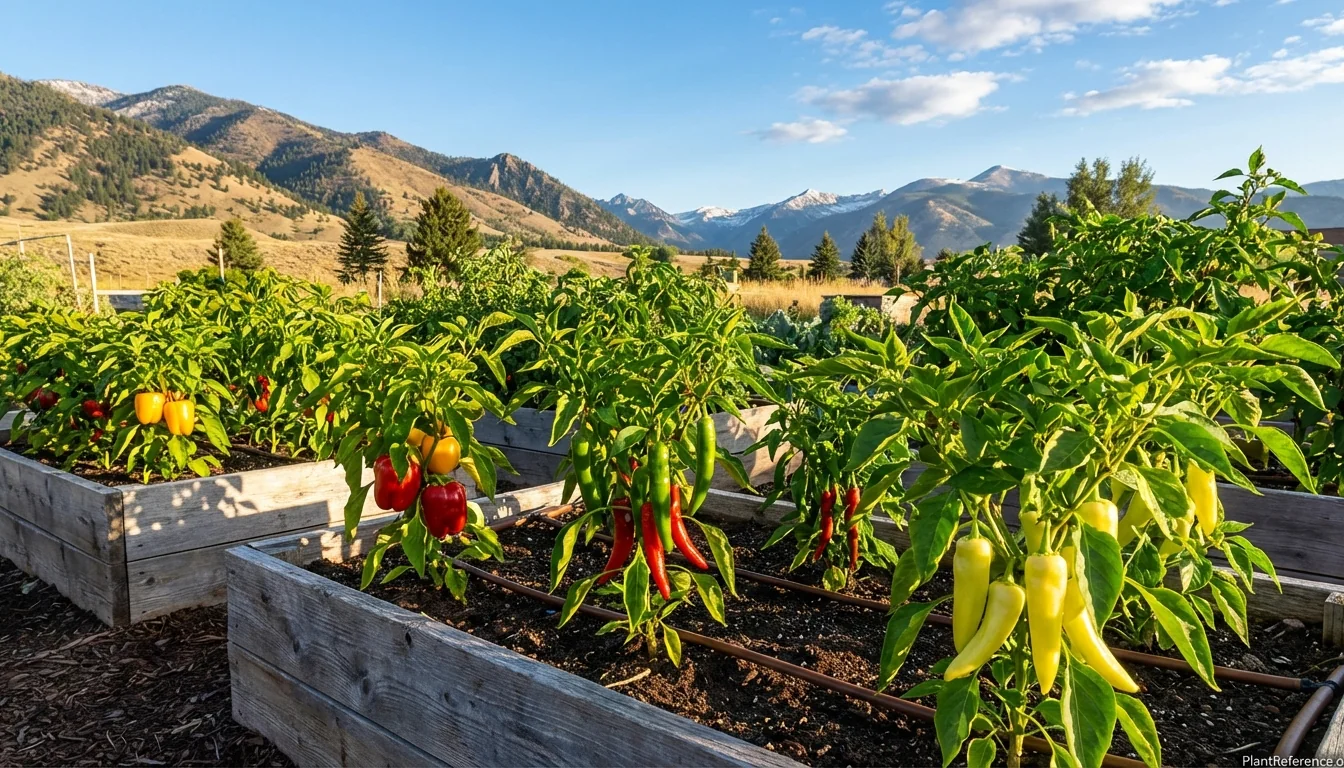
— Image © Plant Reference 2026
Growing peppers in Denver's Zone 5a climate requires understanding our unique high-altitude conditions and 148-day growing season. I've been gardening in Colorado for over thirty years, and I'll tell you straight—peppers can absolutely thrive here if you choose the right varieties and time everything correctly.
Best Pepper Varieties for Denver's Zone 5a Climate
Denver's high-altitude environment at 5,280 feet presents unique challenges: intense UV radiation, dramatic temperature swings, and a relatively short growing season. However, our 148 frost-free days from May 10 to October 5 provide adequate time for properly selected varieties to mature and produce abundantly.
The key to success in Zone 5a is selecting early-maturing varieties that can handle temperature fluctuations. I've tested dozens of varieties over the years, and these eight consistently perform best in Denver's climate.
Variety | Days to Maturity | Best For | Notes for Denver |
|---|---|---|---|
60-70 days | Quick harvest | Perfect for Denver's short season, handles cool nights well | |
65-75 days | Fresh eating | Reliable producer even in cool summers, excellent for beginners | |
65-75 days | Salsa making | Faster than standard jalapeños, develops heat well at altitude | |
70-80 days | Stuffing | Large bells that ripen before frost with black plastic mulch | |
75-85 days | Roasting | Needs warm microclimate but worth the effort for authentic chile | |
75-85 days | Drying | Heat-tolerant variety that handles Denver's intense sun | |
75-85 days | Spice powder | Thin walls dry well in Colorado's low humidity | |
70-80 days | Pickling | Prolific producer, handles temperature swings better than most |
Early Season Champions (60-75 days): These varieties are your insurance policy in Denver. 🌿Capsicum annuum 'Shishito' consistently produces before our first autumn frost, while 🌿Capsicum annuum 'Sweet Banana' tolerates those unexpected late-season cool snaps that can shut down heat-loving plants.
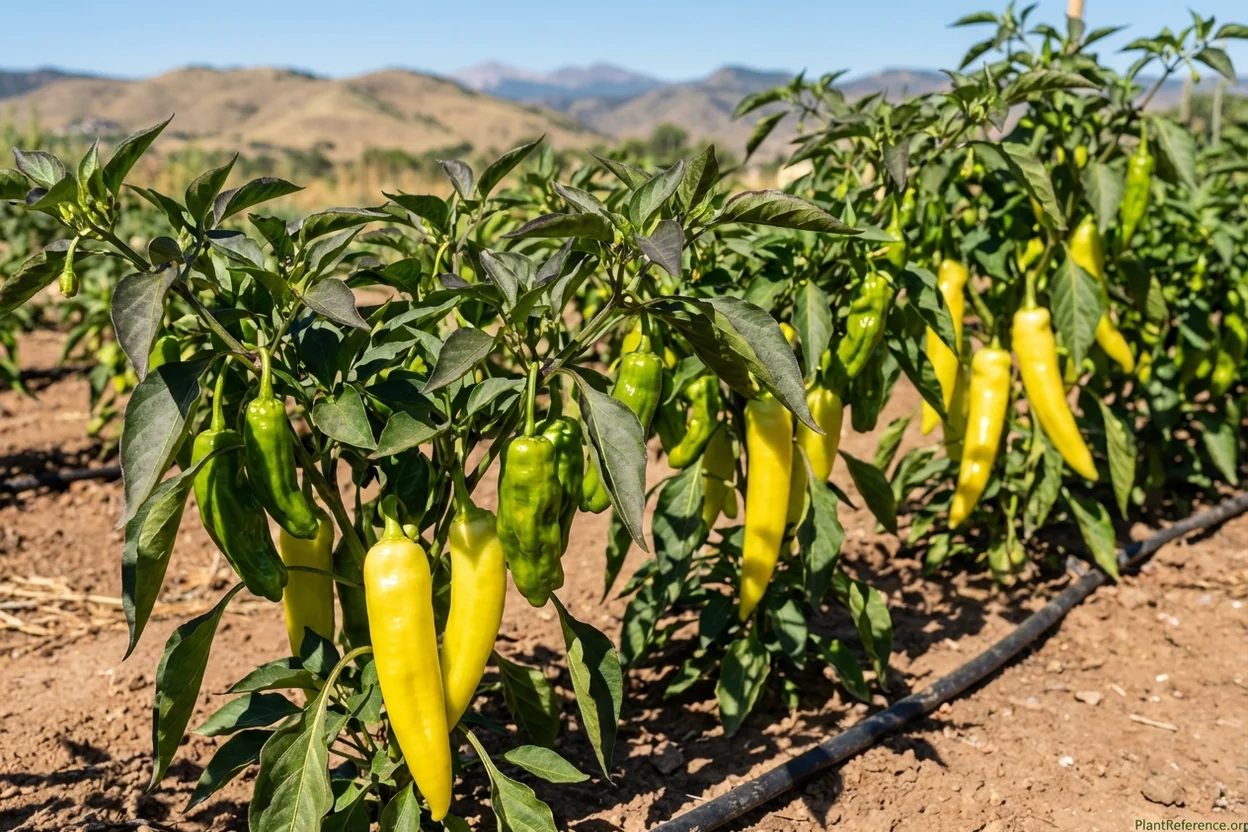
Mid-Season Producers (70-85 days): These varieties require more attention to microclimate management but reward you with exceptional flavor. 🌿Capsicum annuum 'California Wonder' bells develop their full size and sweetness when planted in the warmest spots in your garden—typically against south-facing walls or with black plastic mulch to boost soil temperature.
Heat-Lovers for Advanced Growers: 🌿Capsicum annuum 'Poblano' and 🌿Capsicum annuum 'Anaheim' represent the upper limit of what's reliably possible in Zone 5a. I grow these in large black containers that absorb solar heat, and I'm prepared to cover them during unexpected cool spells in September.
Specific Planting Dates for Denver
Denver's last frost averages May 10, but I never plant peppers immediately after that date. Peppers are tropical plants that sulk in cool soil, and our mountain-influenced weather can bring surprise late frosts even into early June some years.
Indoor Seed Starting: March 1-8
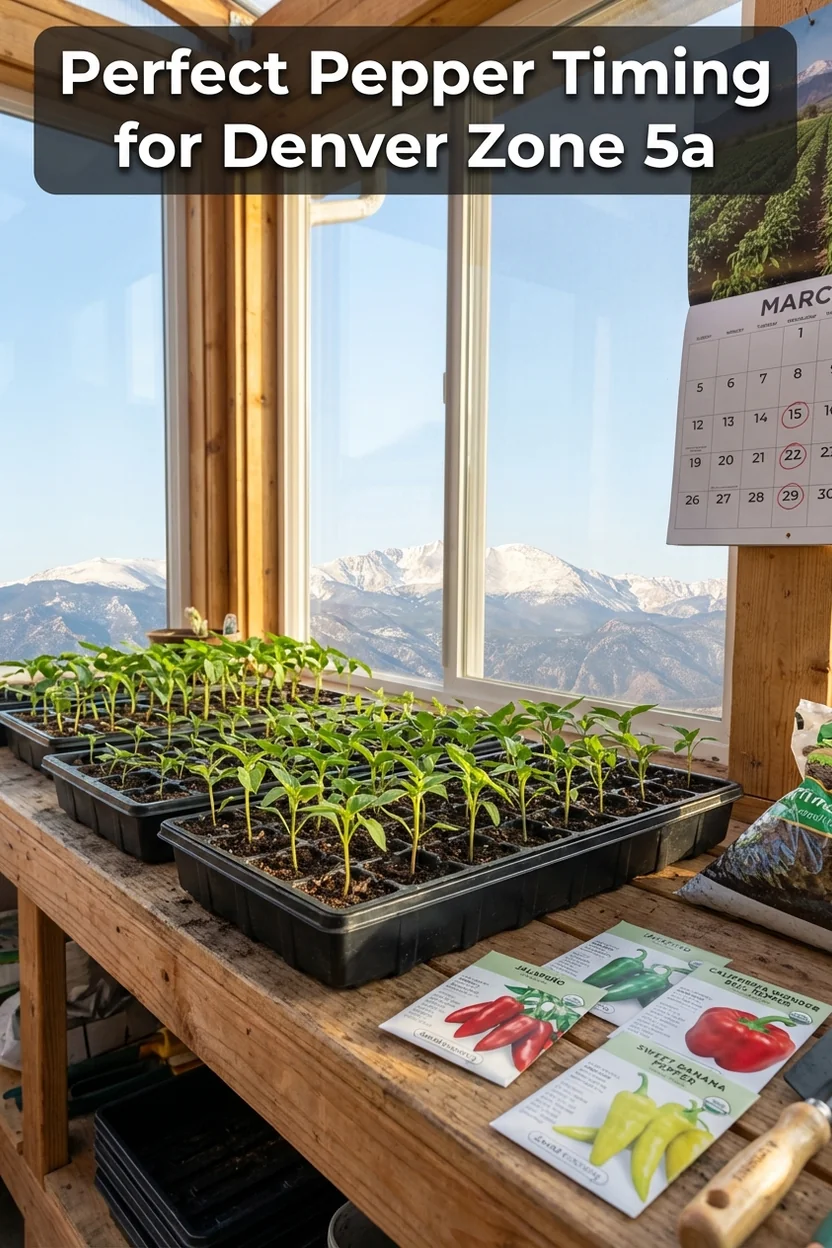
I start my pepper seeds indoors during the first week of March. This gives seedlings 10-11 weeks to develop strong root systems and stocky stems before transplanting. In Denver's dry climate, I use a humidity dome until seeds germinate—typically 7-14 days with bottom heat maintaining soil temperature at 80-85°F.
Seeds started March 1 are ready for hardening off by mid-May, perfectly timed for our transplanting window. Starting earlier than March 1 often results in leggy seedlings that struggle outdoors, while starting later reduces harvest potential before October frost.
Hardening Off: May 10-23
The hardening process is crucial in Denver because of our intense UV radiation at altitude. I begin hardening seedlings on May 10—our average last frost date—but keep them in a protected area where I can quickly move them if temperatures threaten to drop below 50°F.
Start with 2-3 hours of morning sun, gradually increasing exposure over 10-14 days. Denver's afternoon sun can scorch tender seedlings, so I provide shade during peak hours (11 AM - 3 PM) until they're fully acclimated.
Transplanting Outdoors: May 24 - June 1
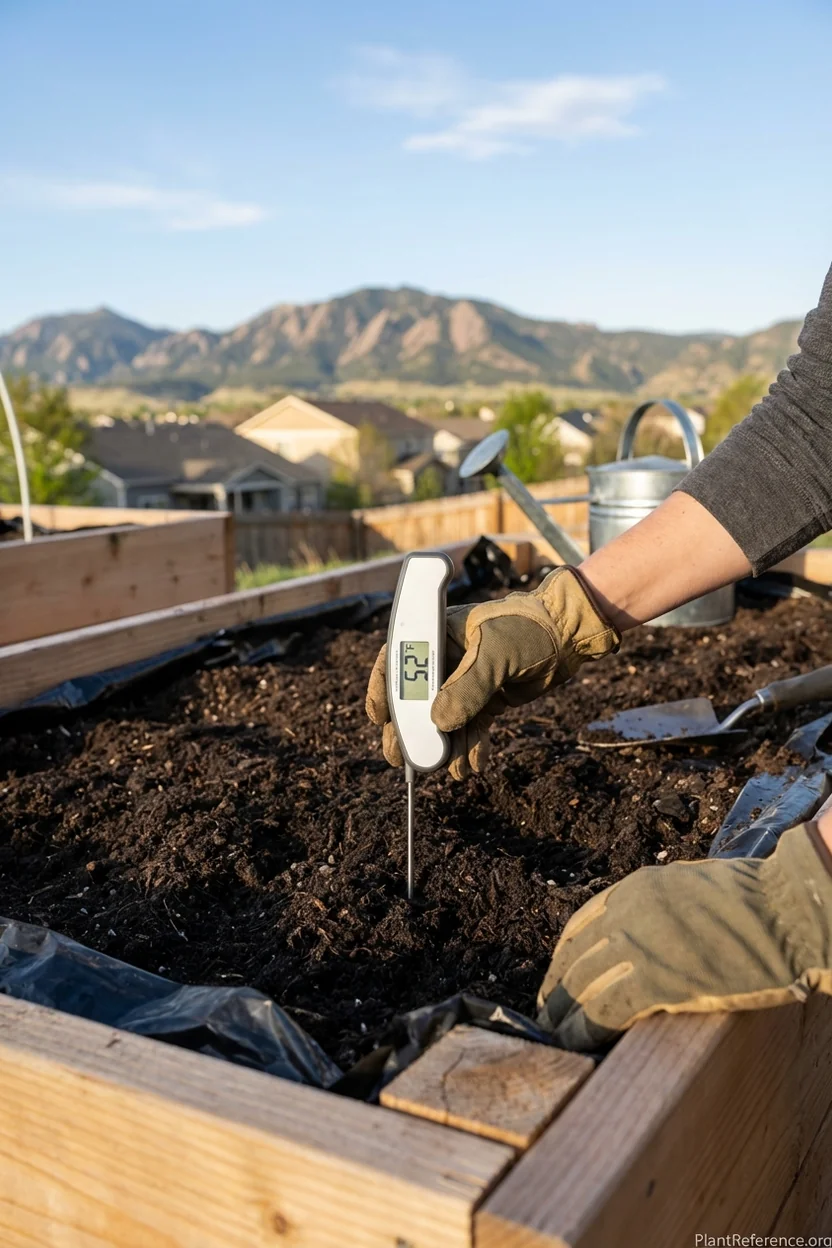
I wait until soil temperature consistently reaches 60°F before transplanting. In Denver, this typically occurs May 24-26, though I've planted as late as June 1 in particularly cool springs without significant yield loss.
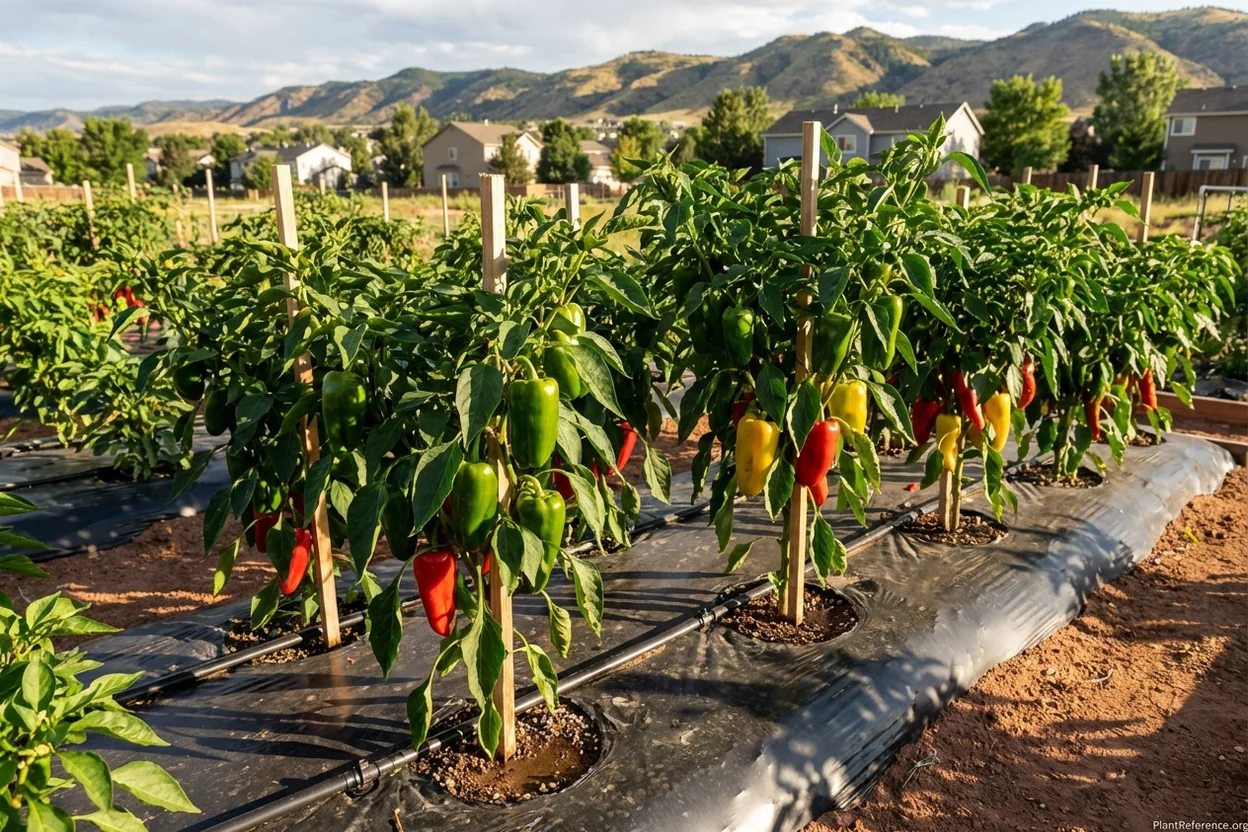
The key indicator isn't just air temperature—it's soil temperature measured 4 inches deep at 8 AM. If soil hasn't warmed to 60°F by June 1, I create artificial warming with black plastic mulch laid down 1-2 weeks before planting.
Harvest Timeline Calculation
For planning purposes, here's how I calculate harvest dates for different varieties:
Shishito started March 1: Transplanted May 25 + 60 days = harvest begins July 24
Sweet Banana started March 1: Transplanted May 25 + 65 days = harvest begins July 29
California Wonder started March 1: Transplanted May 25 + 75 days = harvest begins August 8
Poblano started March 1: Transplanted May 25 + 80 days = harvest begins August 13
These calculations assume optimal growing conditions. Denver's variable weather can extend or shorten maturation times, which is why I always grow a mix of early and mid-season varieties for continuous harvest.
Complete Growing Guide for Denver
Success with peppers in Denver requires managing our unique environmental factors: intense UV radiation, low humidity, dramatic day-night temperature swings, and alkaline soil conditions.
Soil Preparation for High-Altitude Growing
Denver's clay-heavy soils require significant amendment for pepper success. I work in 3-4 inches of compost annually, focusing on improving drainage while maintaining moisture retention—a delicate balance in our semi-arid climate.
Our native soil pH typically runs 7.0-8.0, higher than the 6.0-6.8 range peppers prefer. I lower pH by incorporating sulfur at rates of 1-2 pounds per 100 square feet, testing annually with a digital meter. The alkaline conditions can lock up iron and other micronutrients, leading to yellowing between leaf veins.
Microclimate Management
Denver gardeners must create warm microclimates for optimal pepper performance. I position plants on the south side of structures where they receive reflected heat from walls or fences. This can raise temperatures 5-10°F above ambient air temperature—crucial for fruit set during cool July nights.
Black plastic mulch is nearly mandatory in Zone 5a. I lay it down 2-3 weeks before transplanting to pre-warm soil. The plastic raises soil temperature 8-12°F during the day and maintains warmer root zones overnight. Remove plastic by mid-July to prevent root overheating during peak summer.
Irrigation Strategy for Semi-Arid Conditions
Denver receives only 15 inches of annual precipitation, with most falling as winter snow. Summer irrigation becomes critical, but peppers are sensitive to both drought stress and waterlogging.
I install drip irrigation on timers, delivering water directly to root zones while keeping foliage dry. Peppers require 1-1.5 inches weekly during fruit development, applied in 2-3 deep waterings rather than daily light sprinkling. Deep watering encourages root development downward into cooler, more stable soil layers.
Water early morning (6-8 AM) to minimize evaporation loss
Apply 2-3 inch organic mulch layer after plastic mulch removal
Monitor soil moisture 4-6 inches deep, not just surface
Reduce watering by 25% during cool September weather
Stop watering 7-10 days before expected frost to concentrate flavors
Fertilizer Program for High-Performance Production
Colorado's alkaline soils often contain adequate phosphorus and potassium but may lack readily available nitrogen and suffer from micronutrient deficiencies.
I start with soil test results from CSU Extension, then apply balanced organic fertilizer (10-10-10) at planting. Side-dress with compost tea every 3-4 weeks during active growth. Watch for iron chlorosis (yellowing between leaf veins) which responds to chelated iron applications.
Avoid high-nitrogen fertilizers after mid-August. Late-season nitrogen promotes vegetative growth at the expense of fruit ripening, and soft growth is more susceptible to early frost damage.
Season Extension Techniques
Denver's early October frost can arrive while peppers are still producing. I extend the season using several proven methods:
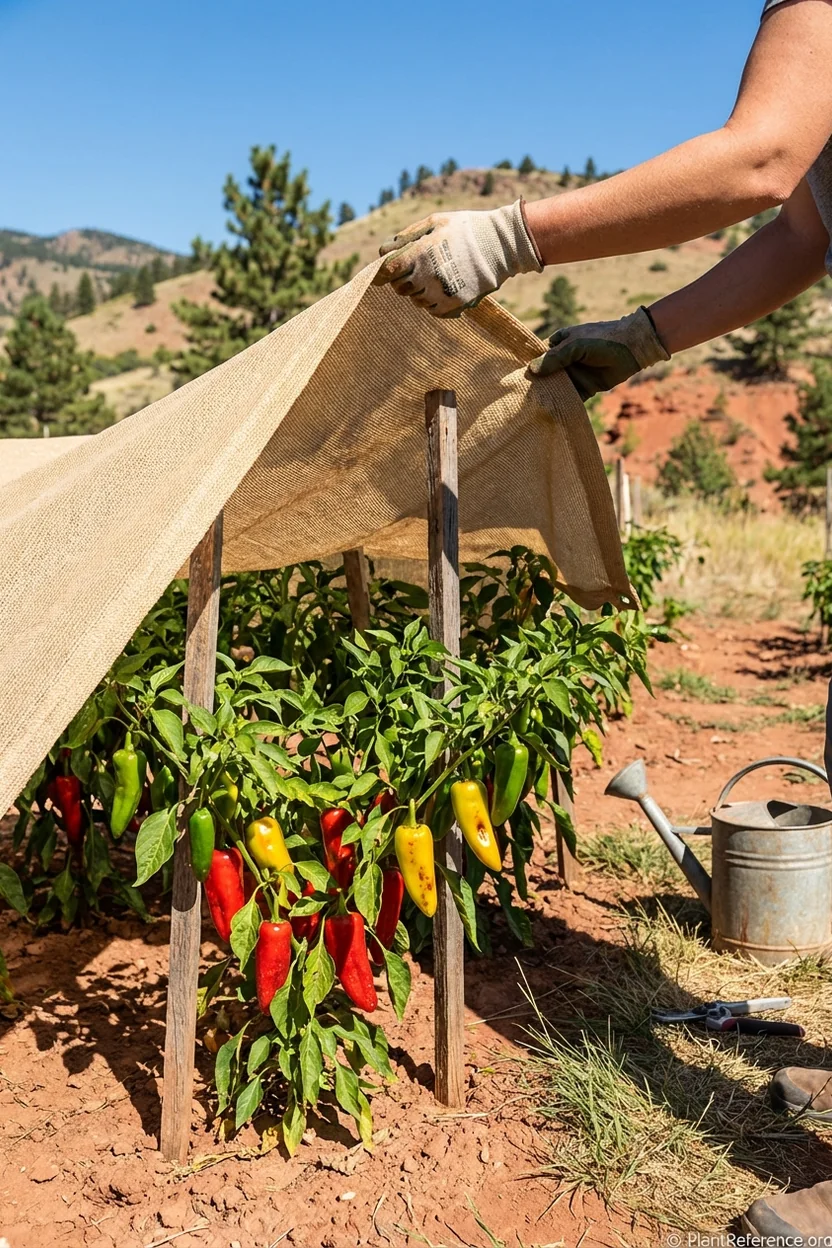
Row Covers: Lightweight fabric covers can protect plants during light frosts (28-32°F), potentially extending harvest 2-3 weeks. Remove covers when temperatures rise above 70°F to prevent overheating.
Container Growing: Large black pots (15+ gallons) can be moved into garages or heated greenhouses during cold snaps. The thermal mass of soil in large containers moderates root zone temperatures.
Wall-of-Water Protection: These water-filled teepees create warm microclimates around individual plants, allowing earlier planting and later harvest. Particularly effective for heat-loving varieties like poblanos.
Troubleshooting Denver-Specific Problems
High-altitude gardening presents unique challenges that lowland growing guides don't address. Here are the most common issues I encounter and their solutions.
Sunscald on Fruit
Denver's intense UV radiation at 5,280 feet can bleach and burn pepper fruits, especially on plants with sparse foliage. Affected fruits develop white, papery patches that eventually turn brown and leathery.
Prevention involves maintaining dense leaf canopy through proper fertilization and avoiding over-pruning. If sunscald develops, provide temporary shade using 30% shade cloth during peak UV hours (10 AM - 4 PM).
Blossom End Rot
This calcium deficiency disorder appears as dark, sunken spots on fruit bottoms. In Denver's low-humidity environment, inconsistent watering is the primary trigger. The plant can't transport calcium effectively when soil moisture fluctuates dramatically.
Maintain consistent soil moisture through mulching and regular deep watering. Avoid cultivating near plants to prevent root damage. If problems persist, have soil tested for calcium availability—our alkaline soils sometimes lock up nutrients.
Poor Fruit Set During Cool Nights
Nighttime temperatures below 60°F prevent proper pollen formation and fruit set. Denver commonly experiences 45-55°F nights even in July, causing flower drop.
Create warm microclimates using thermal mass—stones, concrete blocks, or water barrels near plants release stored heat overnight. Row covers can raise nighttime temperatures 3-5°F during cool spells.
Aphid Infestations
Colorado's dry conditions concentrate aphids on the limited green vegetation available. They cluster on new growth and can transmit viral diseases that destroy entire plants.
Monitor weekly for aphid colonies, especially on shoot tips and flower buds. Strong water spray from hoses dislodges many aphids. Reflective aluminum mulch confuses winged aphids and reduces colonization rates.
Late Season Growth Stall
Peppers often slow production during Denver's cool September nights, even when daytime temperatures remain warm. This is normal physiological response to shortened day length and lower nighttime temperatures.
Focus energy on ripening existing fruits rather than promoting new flower production. Reduce watering and stop fertilizing to encourage existing green fruits to mature before frost.
Harvest & Storage
Denver's pepper harvest typically runs from late July through early October, with peak production in August and early September. Timing harvest correctly maximizes both yield and flavor quality.
Determining Optimal Harvest Time
Most peppers can be harvested at any size once they reach usable proportions, but full maturity brings peak flavor and nutrition. Green bell peppers can be picked small, but allowing them to ripen to red, yellow, or orange increases vitamin C content by 50-60%.
Hot peppers develop maximum heat levels when fully ripe. A 🌿Capsicum annuum 'Early Jalapeño' picked green might rate 2,500 Scoville units, while the same pepper left to ripen red can reach 6,000+ units. The cork-like striations on jalapeño skins indicate peak maturity and heat development.
Pre-Frost Harvest Strategy
When temperatures threaten to drop below 32°F, harvest all usable peppers regardless of maturity. Green peppers can be stored 2-3 weeks in refrigerators, while fully ripe peppers should be processed immediately or frozen whole for later use.
I pick all peppers when forecasts show three consecutive nights below 35°F, even if no hard freeze is predicted. Peppers damaged by temperatures below 32°F develop soft spots that quickly spread to healthy portions.
Storage Methods for Different Varieties
Fresh Storage: Thick-walled varieties like 🌿Capsicum annuum 'California Wonder' store longest—up to 3 weeks refrigerated in perforated plastic bags. Thin-walled types like 🌿Capsicum annuum 'Shishito' should be used within 1 week.
Drying: Colorado's low humidity makes natural drying excellent for thin-walled varieties. String 🌿Capsicum annuum 'Cayenne' peppers and hang in warm, well-ventilated areas. Thick-walled peppers require dehydrator or oven drying to prevent mold.
Freezing: Wash and dry peppers, then freeze whole on trays before packaging. Frozen peppers work well for cooked dishes but lose crisp texture for fresh eating.
Frequently Asked Questions
Reading about plants and recognising them are different skills. These three build the second.
- Daily PlantIdentify the day’s mystery plant from a close-up photograph.
- Keyed OutWork a dichotomous key, lead by lead, to name a hidden specimen.
- Name That PlantName a specimen from botanical clues dealt hardest first.
Free to play, no account needed
Nathan is a garden designer in Denver who focuses on water-wise plantings adapted to Colorado's Front Range climate. He grew up in Nebraska, studied environmental science in college, and fell into garden design after spending summers working at a native plant nursery in Fort Collins. Denver's climate is genuinely challenging—low humidity, intense UV, alkaline clay soil, and wild temperature swings that can go from 70°F to snow in 24 hours. Nathan designs gardens that handle all of that without supplemental irrigation once established. He writes about xeric gardening, native plant selection for the Front Range, and the practical realities of high-altitude growing.