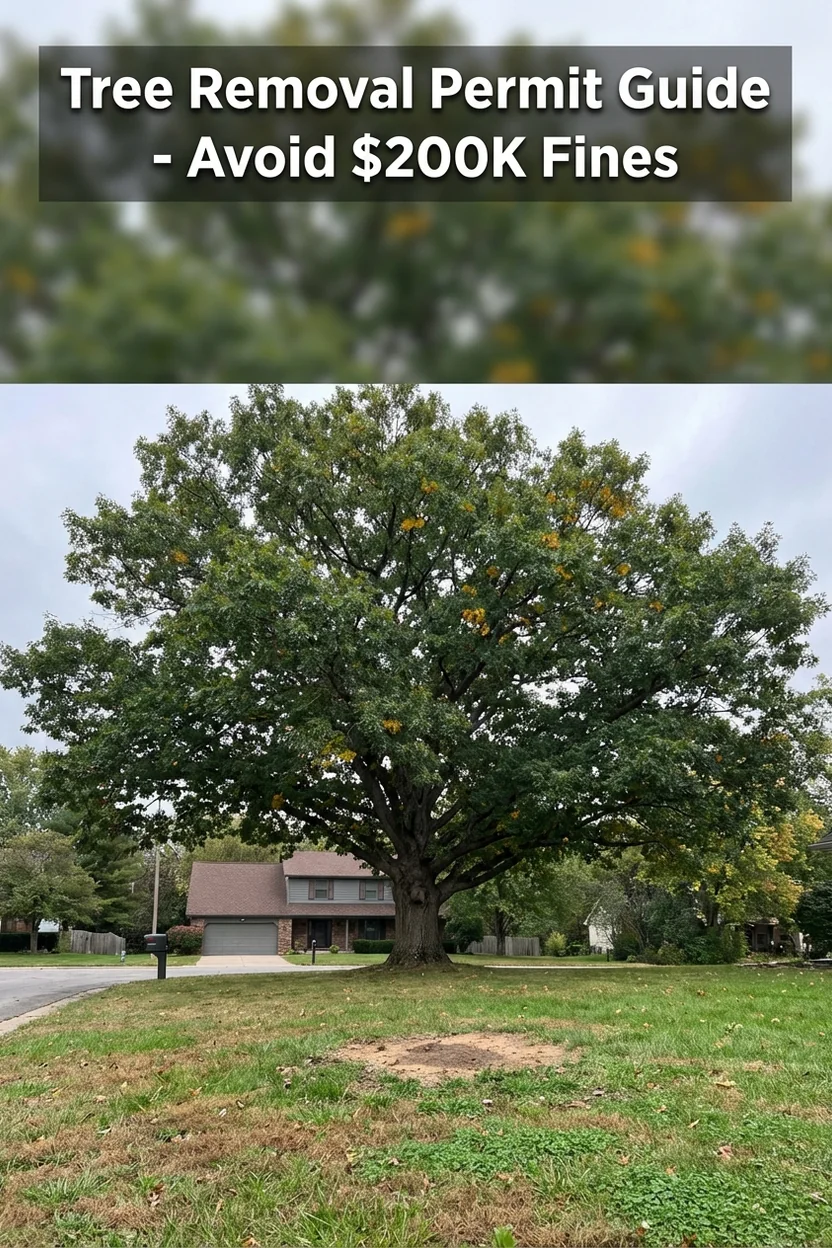
Do I Need a Permit to Remove a Tree? A State-by-State Guide
Pets & Toxicity
Recorded toxicity for plants linked in this guide. An unknown status is not a safety assessment.
Toxic to pets: black walnut, coast live oakDetailsHide
Quercus agrifolia — Toxicity Warning
Toxic when leaves or acorns are eaten in quantity, especially by horses and grazing livestock; human ingestion toxicity is generally low.View Quercus agrifolia plant profile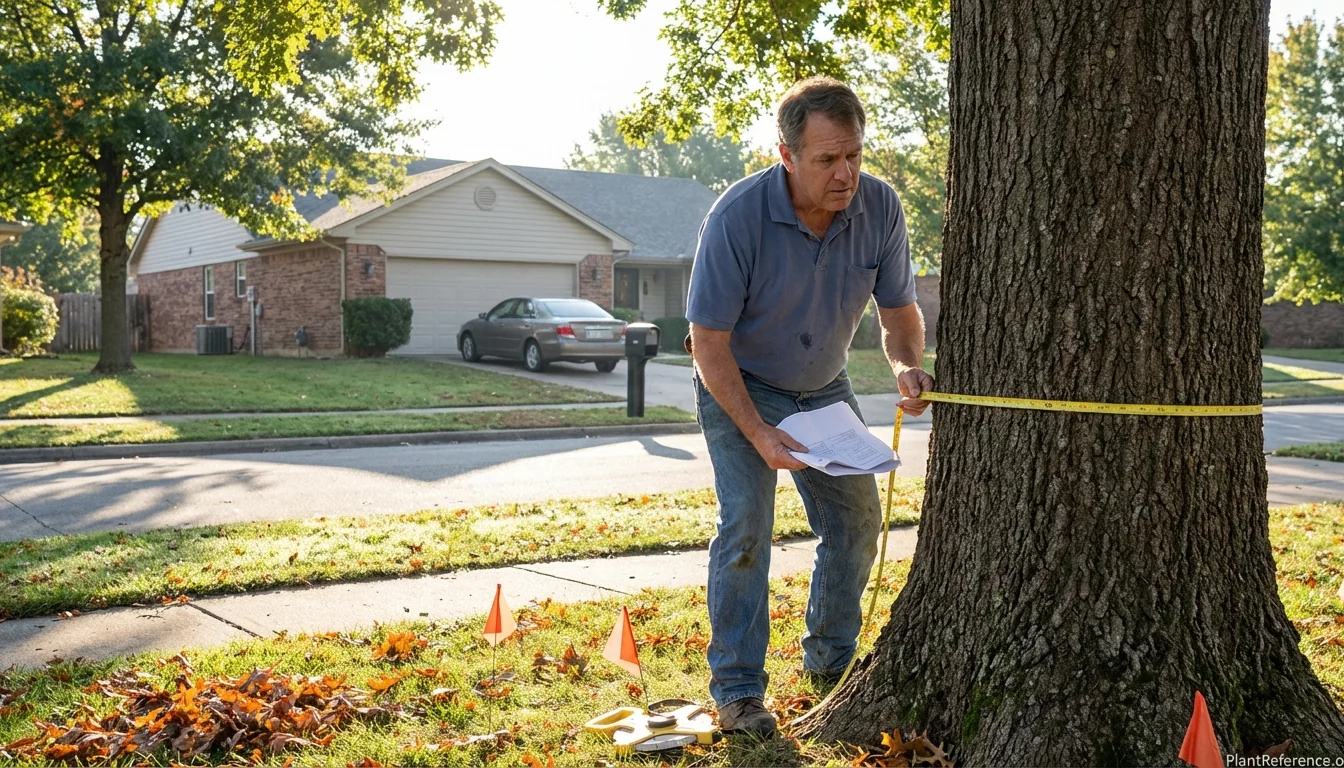
— Image © Plant Reference 2026
Thinking about removing that large tree in your yard? Before you fire up the chainsaw, you need to understand tree removal permit requirements in your area. Most US municipalities protect trees above certain size thresholds, and cutting without proper authorization can result in fines ranging from hundreds to hundreds of thousands of dollars.
Why Tree Removal Permits Exist
Tree protection ordinances serve multiple purposes beyond simple environmental protection. Cities recognize urban trees as critical infrastructure providing measurable economic benefits—US urban trees store 643 million tonnes of carbon valued at $50.5 billion, while providing cooling that reduces energy costs and stormwater management that prevents flooding.
From a legal perspective, municipalities must balance private property rights with community welfare. Tree ordinances typically allow removal of dead, diseased, or genuinely hazardous trees while protecting healthy specimens that contribute to neighborhood character and property values.
The regulatory framework also addresses equity concerns. Research shows 92% of US communities have lower tree canopy in low-income neighborhoods, making preservation of existing canopy a public health issue as much as an environmental one.
Common DBH Thresholds That Trigger Permits
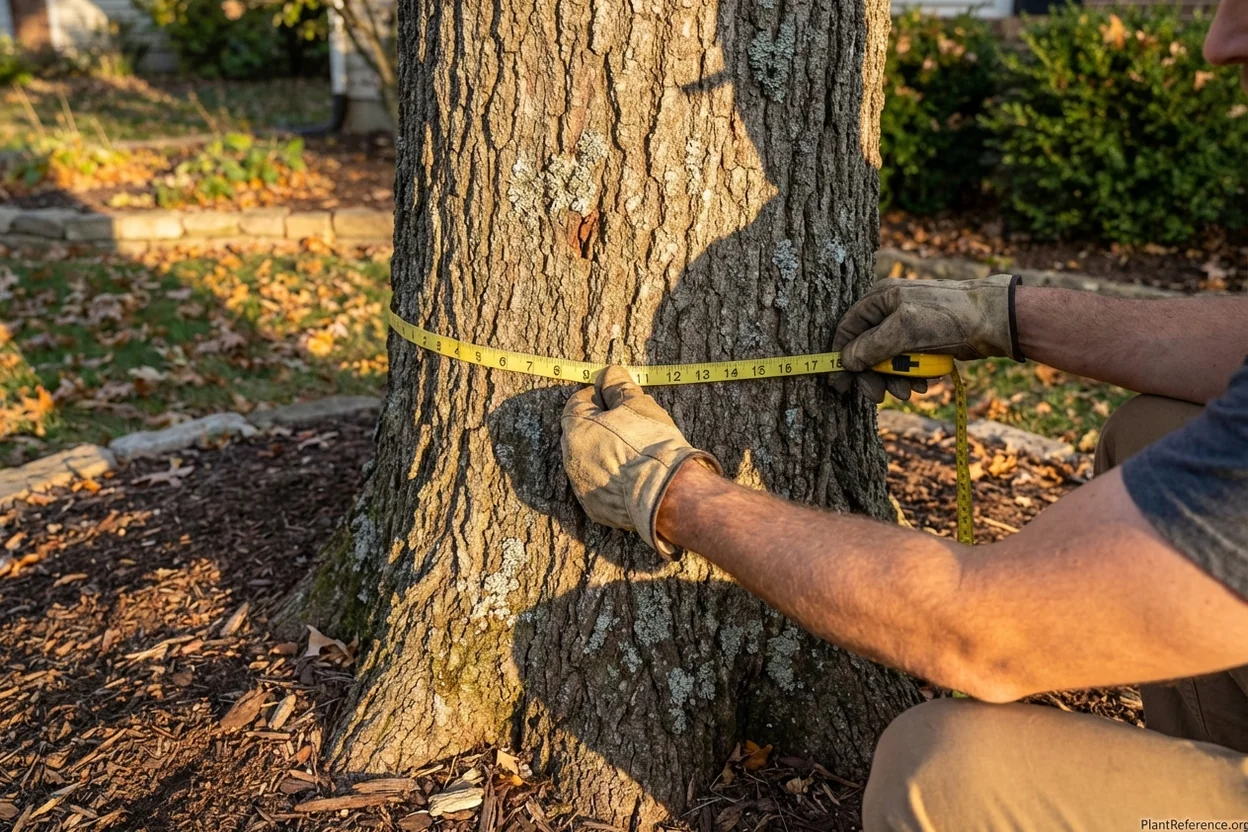
Most tree protection ordinances use diameter at breast height (DBH) measured at 4.5 feet above ground as the primary trigger. Understanding these thresholds is crucial for homeowners.
Standard Protected Tree Categories:
Basic Protection: 6-8 inches DBH minimum (smaller residential communities)
Standard Protection: 10-12 inches DBH (most suburban municipalities)
Heritage/Landmark Trees: 24+ inches DBH (enhanced protection requiring special justification)
Specimen Species: Lower thresholds for rare or slow-growing species (California oak at 6 inches, heritage live oak at any size)
The 10-20-30 diversity rule influences many modern ordinances—no single species should exceed 10% of total canopy, no genus 20%, no family 30%. This prevents catastrophic losses from species-specific threats like Emerald Ash Borer.
State-by-State Permit Requirements
California
California leads in tree protection complexity with multiple overlapping regulations. State law protects specific species regardless of local ordinances:
Coast Live Oak 🌿Quercus agrifolia: 6+ inches DBH
Southern California Black Walnut 🌿Juglans nigra: Any size on undeveloped land
Western Sycamore 🌿Platanus racemosa: 4+ inches DBH in sensitive habitats
California Bay Laurel 🌿Umbellularia californica: 12+ inches DBH
Municipal ordinances add additional layers. Los Angeles requires permits for any tree over 4 inches DBH, while San Francisco protects "significant trees" at 12+ inches with mandatory replacement ratios.
Florida
Florida Statute §163.045 provides a unique homeowner protection mechanism. Property owners can remove trees on their land if an ISA Certified Arborist certifies the tree poses "an unacceptable risk" to people or property. This overrides most local ordinances—except for mangroves, which require state DEP permits under the Mangrove Trimming and Preservation Act.
Pinellas County operates under Chapter 58 regulations requiring permits for healthy trees over 4 inches diameter, with mitigation through replanting or Tree Bank Fund contributions.
Texas
Texas follows the "right tree, right place" philosophy with minimal state-level protection. However, major cities implement strict local ordinances:
Austin: Heritage trees (19+ inches native, 24+ inches non-native) require Council approval for removal, with replacement ratios up to 3:1.
Dallas: Protected trees at 6+ inches DBH, with enhanced protection for Texas Red Oak, Bur Oak, and Chinkapin Oak at any size.
New York
New York City operates the most complex permit system in the nation, distinguishing between street trees (city property) and private property trees. Street tree removal requires Parks Department approval and can cost $2,000+ in replacement fees.
Private property protection varies by borough, with Manhattan requiring permits for trees 12+ inches DBH in certain zoning districts.
Major City Ordinances and Penalties
Atlanta's 2025 Overhaul
Atlanta implemented the most dramatic tree protection update in 20+ years, effective January 1, 2026:
Flat removal fee: $140 per inch of DBH (replaces complex calculation system)
Maximum penalties: Up to $200,000 per acre for unpermitted removal
Low-income assistance: $400,000 annually for tree planting in disadvantaged communities
Company registration: All tree care companies must register with city
Portland Title 11 Update
Portland's 2026 Tree Code revision explicitly prioritizes canopy equity:
Building permits must show all trees ≥6 inches DBH
Landmark trees (26+ inches DBH) face high "recompense" fees
Species list updates: Removed western hemlock, western red cedar, bigleaf maple from approved plantings
Fund redirection: Tree removal fees fund planting in underserved neighborhoods
Seattle's Tiered System
Seattle operates a sophisticated four-tier protection framework:
Tier 1 (Heritage): Historically significant trees, removal prohibited except for hazards
Tier 2 (24+ inches DSH): Large trees and groves requiring special justification
Tier 3 (12-24 inches DSH): Significant trees with removal restrictions
Tier 4 (6-12 inches DSH): Limited removal (two trees per three-year period)
When You Need an Arborist Report
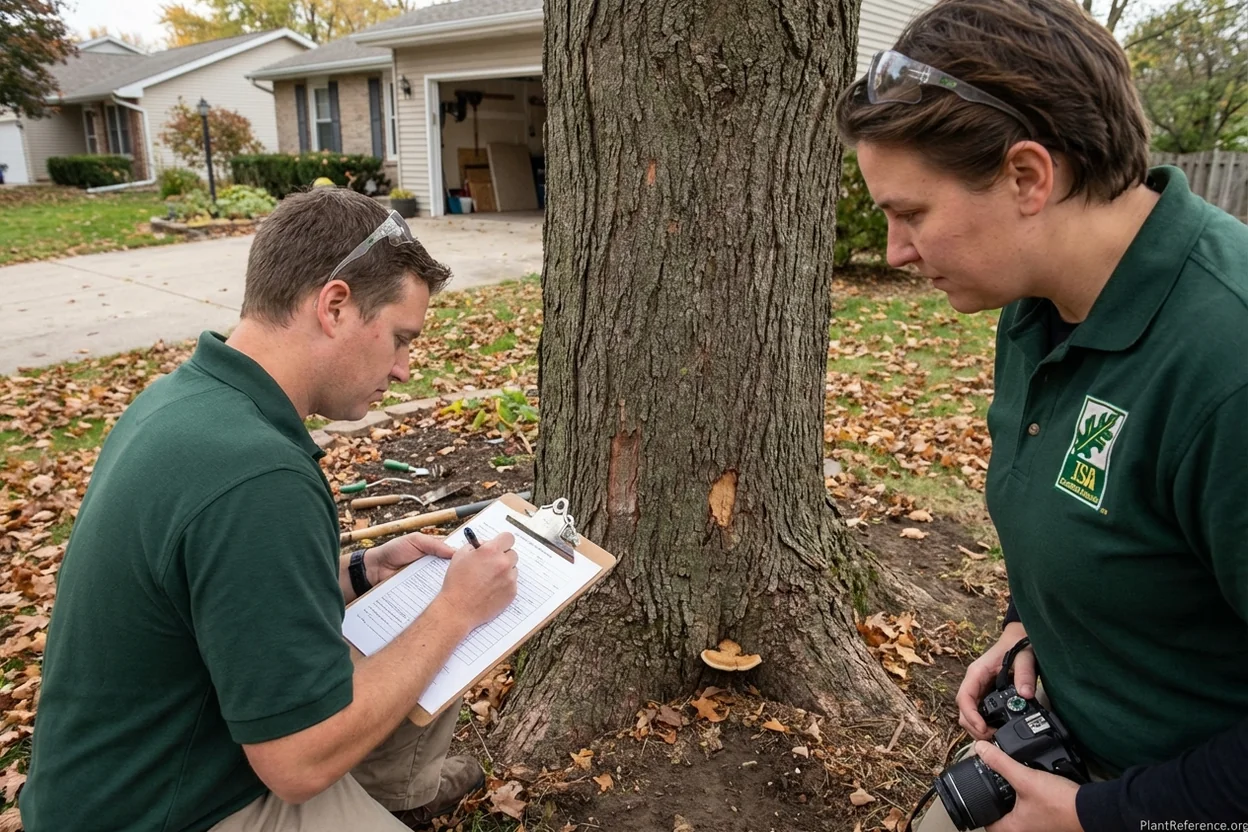
Most jurisdictions require professional assessment for permit applications, particularly for healthy trees in protected categories. The report must typically include:
Required Documentation:
Species identification with botanical nomenclature
DBH measurement and overall health assessment
Risk evaluation using ISA TRAQ methodology when applicable
Site conditions including proximity to structures, utilities, other trees
Justification for removal with photographic documentation
Replacement plan specifying species, size, and planting location
ISA Certified Arborists can provide these assessments, with Tree Risk Assessment Qualification (TRAQ) preferred for hazard determinations. The TRAQ 3.0 qualification, updated in fall 2025, now requires a full two-day course plus field assessment every seven years.
How to Apply for a Tree Removal Permit
The permit application process varies by jurisdiction but follows common patterns:
Step 1: Preliminary Research Check your municipality's website or contact the planning department to determine:
Whether your tree size requires a permit
Specific application forms and fees
Required documentation and timeline
Approved contractor requirements
Step 2: Professional Assessment Hire an ISA Certified Arborist to evaluate the tree and prepare required documentation. This typically costs $200-500 but is mandatory for most protected trees.
Step 3: Application Submission Submit complete application with:
Completed permit form
Arborist assessment report
Site plan showing tree location
Photographs from multiple angles
Application fee (typically $50-300)
Replacement plan if required
Step 4: Review Process Review periods range from 10 days (routine removals) to 60+ days (heritage trees requiring public comment). Some jurisdictions require neighborhood notification or public hearings.
For efficient processing, consider establishing relationships with consulting arborists familiar with local ordinances. Their expertise navigating municipal requirements often expedites approval processes.
Penalties for Unpermitted Tree Removal
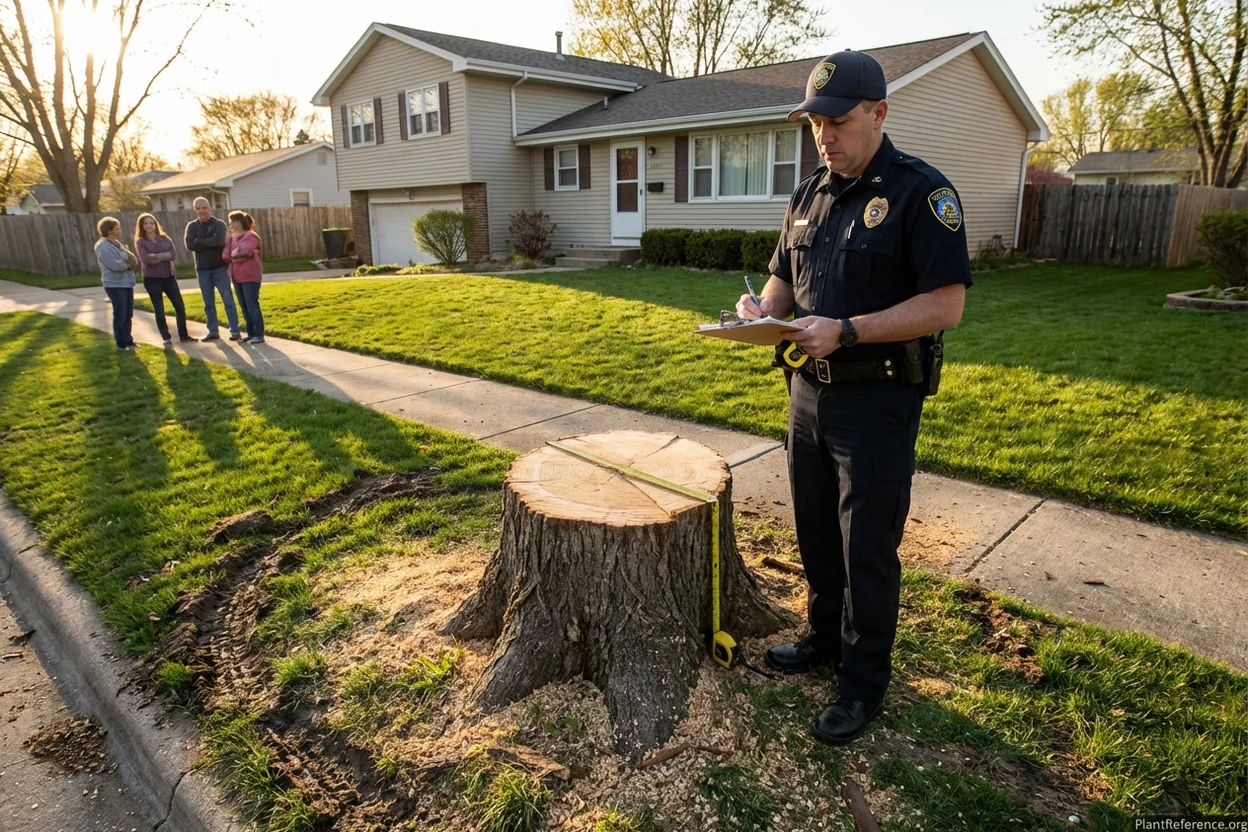
Penalties for illegal tree removal have escalated dramatically as municipalities recognize the economic value of urban canopy. Enforcement typically relies on neighbor reports, aerial photography comparison, and routine code enforcement patrols.
Penalty Ranges by Severity:
Standard violations: $500-2,000 per tree (most suburban municipalities)
Heritage tree violations: $5,000-25,000 per tree
Commercial/development violations: Up to $200,000 per acre (Atlanta standard)
Repeat offenders: Enhanced penalties, stop-work orders, permit revocation
Beyond monetary fines, violations often trigger:
Mandatory replacement at mature specimen size (costly)
Restoration bonds ensuring replacement tree survival
Building permit holds preventing construction until compliance
Legal precedent for future development restrictions
Recovery damages follow Council of Tree & Landscape Appraisers (CTLA) methodology, calculating full replacement cost of equivalent mature specimen. A single large oak removal could trigger $15,000-50,000 in restoration costs.
Exceptions and Emergency Situations
Most ordinances include emergency exceptions recognizing legitimate safety concerns:
Automatic Exceptions (No Permit Required):
Imminent hazard trees with structural failure risk
Storm damage creating immediate safety threats
Dead trees (typically requiring 50%+ canopy death documentation)
Diseased trees with confirmed infectious conditions threatening other trees
Infrastructure protection (roots damaging foundations, sewer lines)
Utility Company Authority Electric utilities maintain broad authority to remove trees threatening power lines under state public utility regulations. However, they typically prefer pruning using ANSI A300 standards over removal.
Emergency Documentation Even in emergency situations, document conditions with photographs before removal. Many jurisdictions require post-removal notification within 24-72 hours, including:
Photo evidence of hazardous condition
Professional arborist confirmation of emergency status
Replacement plan for healthy trees removed for infrastructure protection
For complex situations involving multiple trees or property development, consult both an ISA Certified Arborist and your municipal planning department before proceeding. The legal and financial risks of non-compliance far exceed the cost of professional guidance.
Planning Development Projects Major construction projects require comprehensive Tree Protection During Construction: How to Save Your Trees|tree protection planning before permit submission. This includes Tree Protection Zone calculations, preservation vs removal decisions, and integration with broader site development approvals.
Understanding your local tree removal permit requirements protects you from costly violations while ensuring responsible urban forest stewardship. When in doubt, consult professionals familiar with your jurisdiction's specific ordinances—the complexity of modern tree protection law makes expert guidance a wise investment.
Frequently Asked Questions
Reading about plants and recognising them are different skills. These three build the second.
- Daily PlantIdentify the day’s mystery plant from a close-up photograph.
- Keyed OutWork a dichotomous key, lead by lead, to name a hidden specimen.
- Name That PlantName a specimen from botanical clues dealt hardest first.
Free to play, no account needed
TJ stumbled into plant parenthood when a coworker gave him a neglected pothos. That single plant sparked an obsession that led him to quit his corporate marketing job and start a plant care service for busy professionals in Chicago. TJ maintains over 150 plants for residential clients and runs monthly plant swap meetups at local coffee shops. He's self-taught through YouTube, plant forums, and plenty of expensive mistakes (RIP to his variegated monstera). TJ specializes in troubleshooting common houseplant problems and is known for his blunt, no-BS advice: "Your plant isn't dying because Mercury is in retrograde—you're overwatering it." He's particularly skilled with finicky tropical plants like fiddle leaf figs and calatheas.