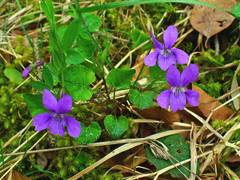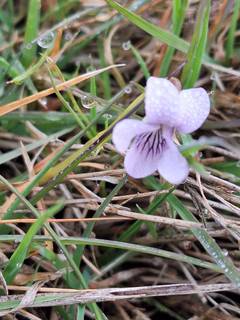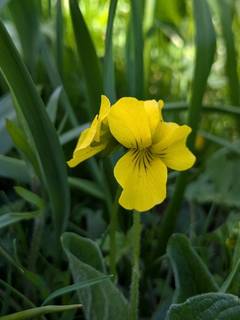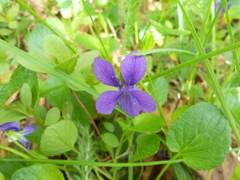
Image 1 of 16
1 / 16
Plant Reference
Viola, Genus, ×, Hybrid, wittrockiana, Species,
- Genus & species
- Hybrid
pansy
Complex hybrid of garden origin — parent species {V. tricolor}, {V. lutea}, and {V. altaica} from Europe and western Asia
Overview
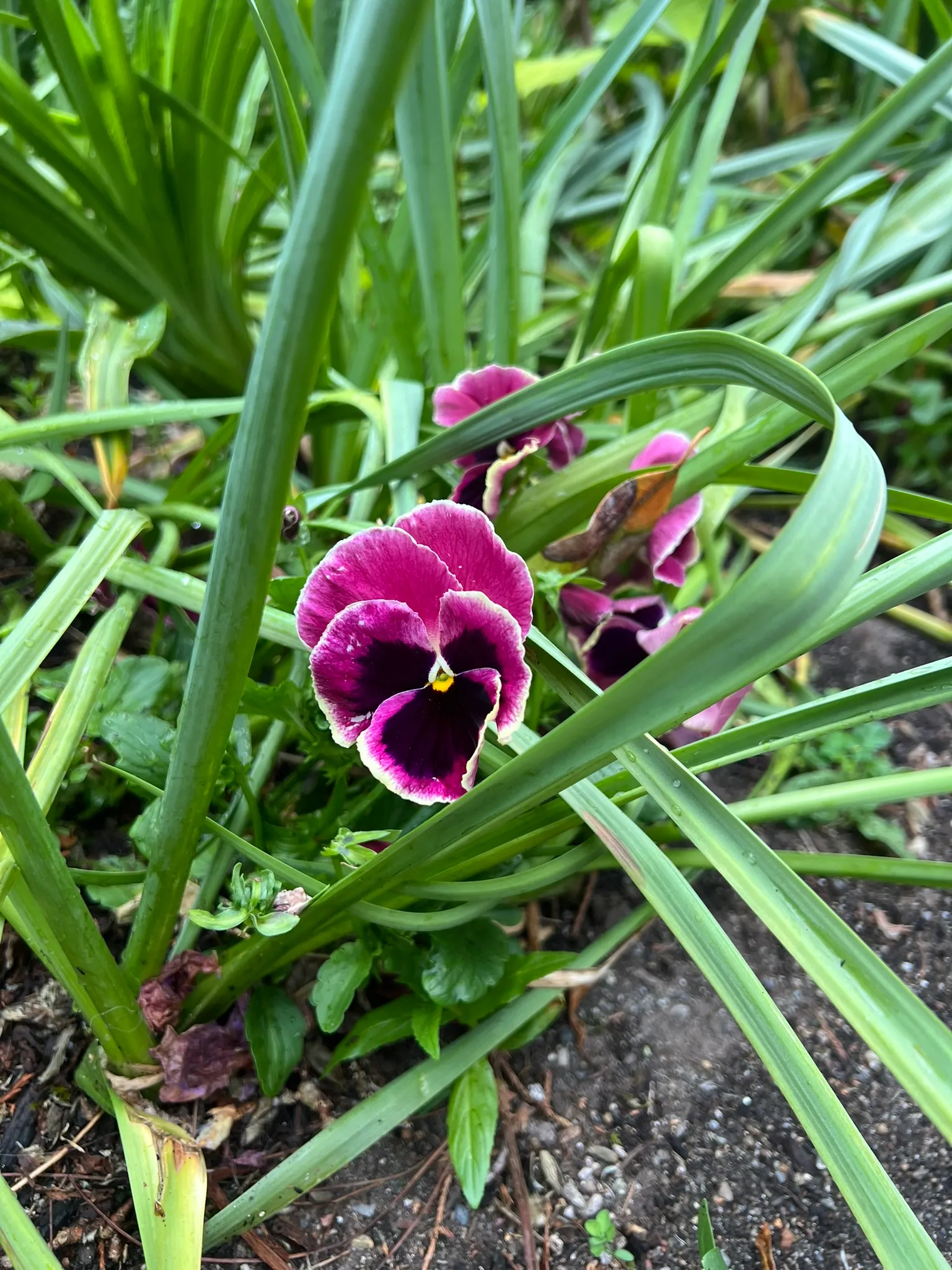
Viola × wittrockiana is pansy (garden pansy), a mounding cool-season annual growing 6-9 inches (15-23 cm) tall and 9-12 inches (23-30 cm) wide. Large flat-faced flowers 2-3 inches (5-8 cm) with 5 velvety petals in full color range — yellow, blue, purple, red, orange, white, near-black, and bicolors — typically with a dark central face blotch and radiating veins, from November through May (20 weeks in mild-winter climates). Dark green broadly ovate crenate-margined leaves. In Violaceae. A complex hybrid: V. tricolor × V. lutea × V. altaica. Named for Veit Brecher Wittrock. A cool-season bloomer — flowers prolifically at 40-65°F (4-18°C) and declines rapidly above 80°F (27°C). This heat intolerance is the primary limitation — pansies are spent by early summer in most climates. Distinguished from violas (V. cornuta hybrids) by larger flowers and less heat tolerance. In mild-winter zones (7-9), planted in fall for winter-spring color. Flowers edible. Deer browse. Toxic to pets. Zones 4-9 (as cool-season annual). Part sun. Growth rate is fast.
Native Range
Complex hybrid of garden origin — parent species V. tricolor, V. lutea, and V. altaica from Europe and western Asia.Suggested Uses
Grown in fall-spring borders, window boxes, and in containers of at least 2 gallons (7.5 L), spaced 9 inches (23 cm). Cool-season color. Full color range. Edible flowers. Toxic to pets. Zones 4-9.How to Identify
Appearance
Size & Dimensions
Height6" - 9"
Width/Spread9" - 1'
Bloom Information
Detailed Descriptions
Flower Description
Large, flat-faced, 2-3 inches (5-8 cm); 5 velvety petals; full color range — yellow, blue, purple, red, orange, white, near-black, bicolors; typically with a dark central face blotch (whiskers) and radiating veins; some series are clear-faced (no blotch)Foliage Description
Alternate, broadly ovate, crenate-margined (scalloped edges), dark green, 1-2 inches (2.5-5 cm); compact mounding habitGrowing Conditions
Sun Requirements
Requires 4-8 hours of direct sunlight daily
• Full Sun: 6+ hours of direct sunlight
• Partial Shade: 3-6 hours of direct sunlight
• Full Shade: Less than 3 hours of direct sunlight
Care & Maintenance
Care Guide
Part sun to full sun (4-8 hours). Well-drained acidic soil pH 5.5-6.5. Cool-season annual — declines above 80°F (27°C). Deadhead for continuous bloom. Plant in fall (zones 7-9) or early spring (zones 4-6). Not drought-tolerant. Flowers edible. Deer browse. Toxic to pets. Zones 4-9.Pruning
Deadhead spent flowers regularly. Pinch back leggy stems to maintain compact form. Remove entire plants when they decline in early summer heat.Pruning Schedule
Prune: March–May
early springlate spring
Container Growing
Suitable for container growing
Minimum container size: 2 gallons
Toxicity Warning
Toxic to petsPlanting Guide
Planting Methods & Timing
Planting Method
transplant
Indoor Start
8 weeks before last frost
Direct Sow Timing
Purchase transplants in fall (zones 7-9) or early spring (zones 4-6). Or start seed indoors 8-10 weeks before planting at 65°F (18°C) in darkness (seeds require dark to germinate).
Days to Maturity
56–84 days
Plant Spacing
9 inches