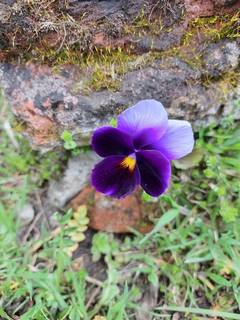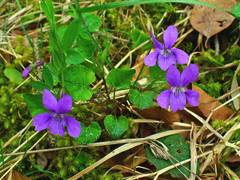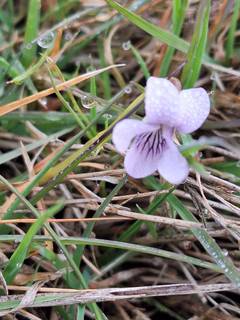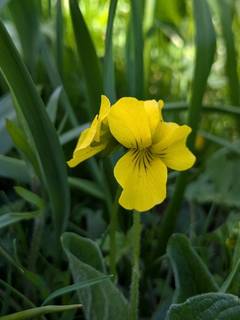
Viola, Genus, tricolor, Species,
- Genus & species
wild pansy
Overview
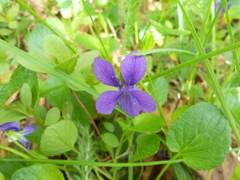
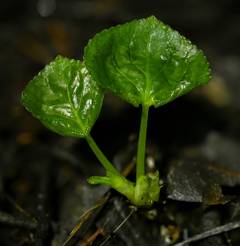
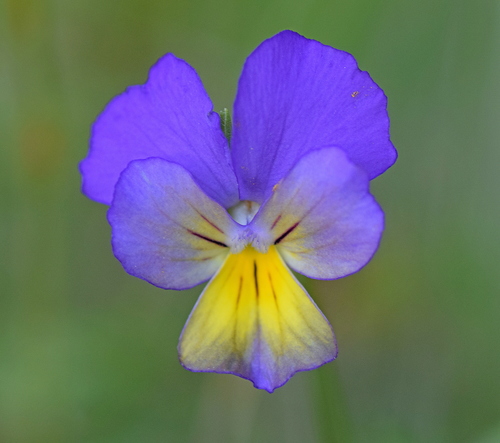
Viola tricolor is a low annual or short-lived perennial 10-30 cm (4-12 in) tall, branching and somewhat sprawling, that flowers over a long season from spring into autumn. The slightly fleshy leaves are oval to lance-shaped with rounded teeth and leafy, deeply lobed stipules at the base. Each flower is 1.5-2.5 cm (0.6-1 in) across with five petals, the upper two usually violet and the lower marked with yellow and white and thin dark nectar lines, though colour mixes vary from plant to plant. It is a parent of the large-flowered garden pansies, which were bred up from its smaller blooms. The plant flowers heavily, sets abundant seed in capsules that fling the seed when ripe, and self-sows freely, so it reappears and wanders around a garden year to year. Individual plants are short-lived and often fade after heavy flowering or in summer heat. It grows in poor, disturbed soil where many plants struggle.
Native Range
Viola tricolor is native to Europe and western Asia, growing in arable fields, grassland, dunes, and disturbed ground on acid to neutral soils. It has naturalized across North America and other temperate regions.Suggested Uses
Grown in cottage borders, containers, gravel, and wildflower or pollinator plantings for its long season of small flowers. The edible flowers are used to decorate food. Its short life and free seeding suit informal schemes more than formal beds.How to Identify
Appearance
Size & Dimensions
Height4" - 1'
Width/Spread6" - 1'
Bloom Information
Detailed Descriptions
Flower Description
violet, yellow, and whiteFoliage Description
greenGrowing Conditions
Sun Requirements
Requires 4-10 hours of direct sunlight daily
• Full Sun: 6+ hours of direct sunlight
• Partial Shade: 3-6 hours of direct sunlight
• Full Shade: Less than 3 hours of direct sunlight
Care & Maintenance
Care Guide
Viola tricolor grows in full sun to part shade on most well-drained soils, including poor and sandy ground, and prefers a slightly acid to neutral pH around 5.5 to 7.0. It is easy from seed sown in spring or autumn and often flowers within a few months. Plants stay more compact and bloom longer in cool, moist conditions and tend to stretch and fade in dry heat. Removing spent flowers slows seeding and prolongs bloom, though some seeding keeps the planting going. Little or no feeding is needed. Powdery mildew and aphids can appear on stressed plants.Pruning
Shearing the plant back by half after the first heavy flush encourages fresh growth and a second flush of bloom. Spent flowers are removed to extend flowering and limit self-seeding. Plants are pulled and replaced once they become straggly.Pruning Schedule
Prune: June
summer
Container Growing
Suitable for container growing
Minimum container size: 1 gallons