Viola, Genus, striata, Species,
- Genus & species
cream violet
Overview
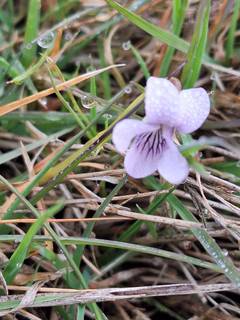
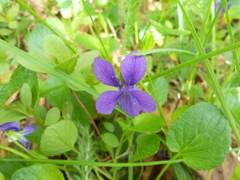
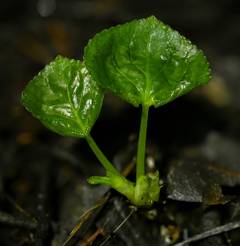
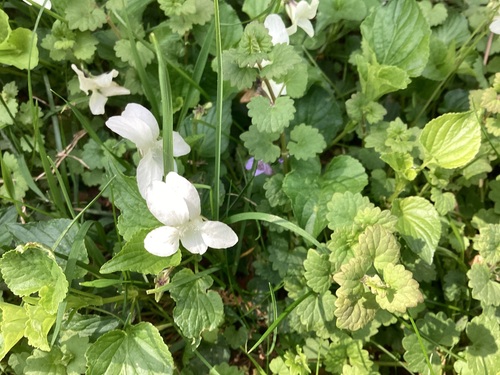
Viola striata is a stemmed herbaceous perennial violet, growing 6-12 inches (15-30 cm) tall, sometimes taller in shade, with leafy upright to leaning stems rather than a basal-only rosette. The heart-shaped leaves have toothed margins and conspicuous fringed stipules at the leaf bases. In spring it carries cream to white flowers about 0.75 inch (2 cm) across on slender stalks from the leaf axils; the lower petals are marked with thin dark purple veins that guide pollinators, and the lowest petal forms a short blunt spur. Both showy spring flowers and later self-pollinating closed flowers set seed, which is flung from splitting capsules. Native to moist woods, floodplains, stream banks, and shaded slopes of eastern North America, it spreads by seed and short rhizomes into loose colonies. It grows in part shade to shade on rich, damp soil and tolerates clay and seasonal flooding. Hardy in USDA zones 3-8, the foliage dies back in winter. It self-sows readily and can fill a moist shaded bed over a few seasons. The flowers draw early bees and other small pollinators. It declines in dry, sunny, or compacted sites and is a larval host for fritillary butterflies.
Native Range
Native to eastern North America, from Quebec and Ontario south to Georgia, and west to Minnesota and Oklahoma. It grows in moist woodlands, floodplains, stream banks, and shaded ravines on rich soil.Suggested Uses
Used in shade and woodland gardens, along stream and pond margins, and in moist native borders, spaced 8-12 inches (20-30 cm) apart. Suited to damp, shaded ground where it can naturalize among ferns and other woodland plants.How to Identify
Appearance
Size & Dimensions
Height6" - 1'
Width/Spread8" - 1'
Bloom Information
Detailed Descriptions
Flower Description
cream to white with purple veinsFoliage Description
greenGrowing Conditions
Sun Requirements
Requires 2-5 hours of direct sunlight daily
• Full Sun: 6+ hours of direct sunlight
• Partial Shade: 3-6 hours of direct sunlight
• Full Shade: Less than 3 hours of direct sunlight
Care & Maintenance
Care Guide
Grow in part shade to full shade on rich, consistently moist soil; the plant tolerates clay, loam, and brief flooding but fades in dry, sunny, or compacted ground. No feeding is needed in woodland soil. It self-sows freely and spreads by short rhizomes, so seedlings are thinned where unwanted. Cut or leave spent foliage in fall. Hardy in USDA zones 3-8, it returns from the crown each spring. Steady moisture keeps it growing through summer.Pruning
No structural pruning is needed. Spent flowering stems are trimmed to limit self-seeding, or left to fill the bed. Removing yellowing foliage in late summer tidies the planting.Pruning Schedule
Prune: July–August
summer
Container Growing
Suitable for container growing
Minimum container size: 1 gallons