Viola, Genus, reichenbachiana, Species,
- Genus & species
early dog-violet
Overview
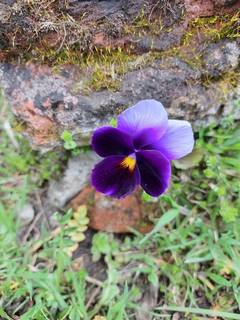
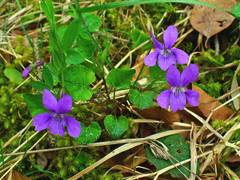
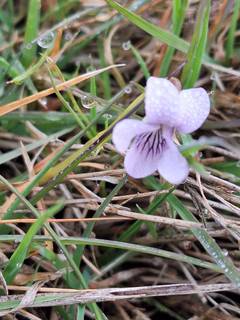
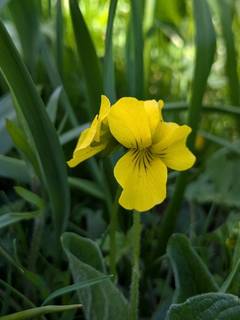
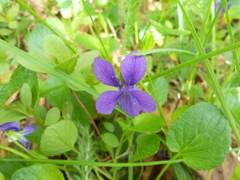
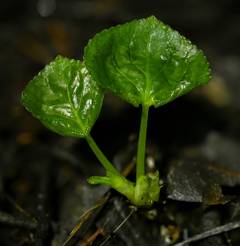
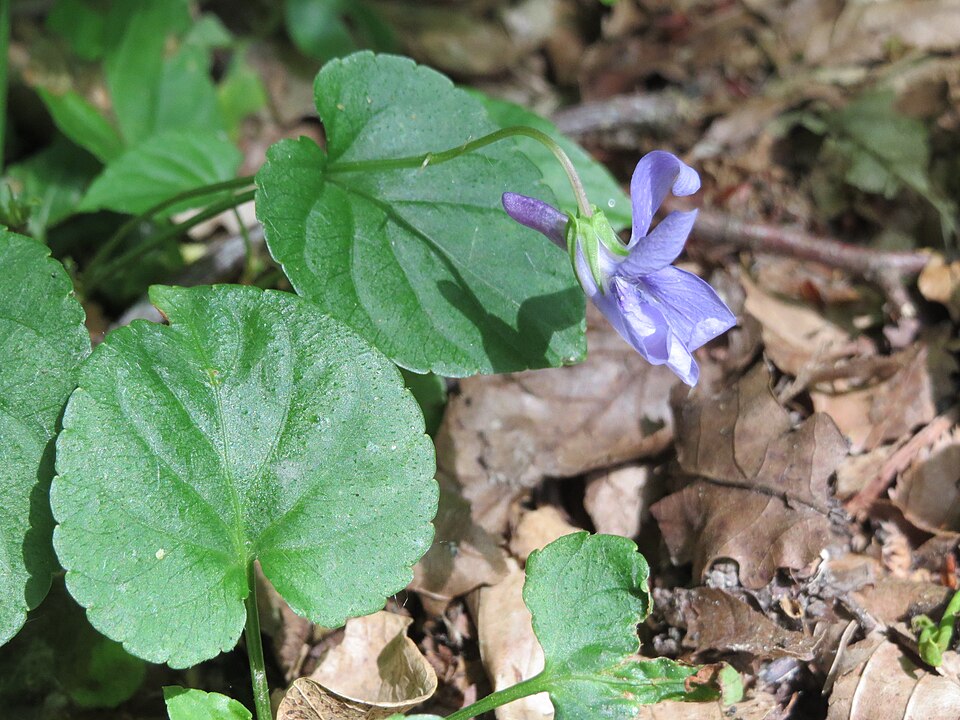
Viola reichenbachiana, early dog-violet, is a low, clump-forming perennial in the violet family (Violaceae), growing 2-8 inches (5-20 cm) tall in woodland and shaded ground. Heart-shaped, pointed leaves form a loose rosette and climb the flowering stems, mid green and slightly glossy. In early spring it bears slender, unscented flowers of pale to mid violet-blue, each with five petals and a narrow, straight spur that is darker than the petals. The flowers open earlier than those of the similar common dog-violet, and the thin dark spur is a reliable point of difference. It grows in deciduous woodland, hedge banks, and shaded slopes, mostly on lime-rich, well-drained soils in the cool conditions beneath trees. After the showy spring flowers, the plant also produces closed, self-pollinating flowers that set seed without opening, adding to its spread. Seed is flung from ripe capsules and further carried by ants drawn to an oil-rich appendage. It dies back to a low crown in winter and returns in early spring. Deep shade in summer and dry, exposed ground both limit its growth.
Native Range
Native to Europe, western Asia, and North Africa, where it grows in deciduous woodland, coppice, hedge banks, and shaded grassland, usually on calcareous or base-rich soils. It is widespread in lowland and hill country through much of its range.Suggested Uses
Grown in woodland and shade gardens, on hedge banks, and at the front of shaded borders where its early flowers brighten the spring ground layer. Used in naturalistic plantings with primroses, wood anemones, and ferns. Suited to wildlife gardens, where it serves as a larval food plant for fritillary butterflies.How to Identify
Appearance
Size & Dimensions
Height2" - 8"
Width/Spread4" - 10"
Bloom Information
The main flowers open from March into May, earlier than most other violets, in the light before the tree canopy closes over. They carry no scent and are visited by early bees for pollen and nectar. Later in the season the plant forms closed flowers at ground level that self-pollinate and set seed without opening.
Detailed Descriptions
Flower Description
pale to mid violet-blueFoliage Description
mid greenGrowing Conditions
Sun Requirements
Requires 2-5 hours of direct sunlight daily
• Full Sun: 6+ hours of direct sunlight
• Partial Shade: 3-6 hours of direct sunlight
• Full Shade: Less than 3 hours of direct sunlight
Care & Maintenance
Care Guide
Growth is strongest in partial to full shade on moist but well-drained, lime-rich soil enriched with leaf mould, mimicking a woodland floor. Water during establishment and in summer drought, as dry shade checks growth and shortens the display. The plant needs no feeding beyond an annual leaf-mould mulch and tolerates the root competition of trees and shrubs. It self-seeds gently into surrounding ground, and seedlings can be lifted and moved while small. Topgrowth dies back in winter, returning from the crown in early spring. Cut away tired foliage in late autumn to keep the clump tidy.Pruning
No real pruning is needed. Remove faded leaves and spent flower stems in late autumn to tidy the plant. Self-sown seedlings can be thinned or transplanted in spring.Container Growing
Suitable for container growing
Minimum container size: 1 gallons