Viola, Genus, lutea, Species,
- Genus & species
mountain pansy
Uplands of western and central Europe
Overview
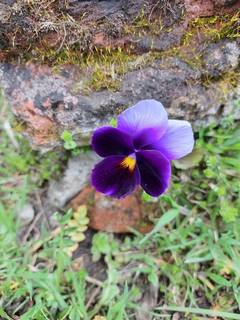
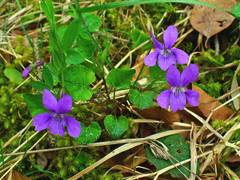
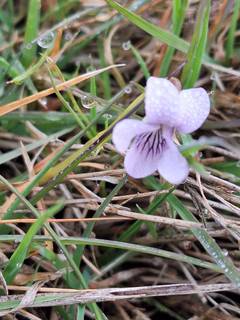
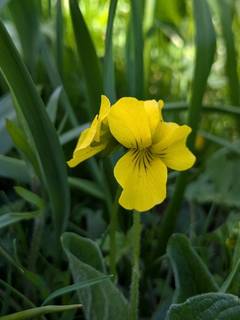
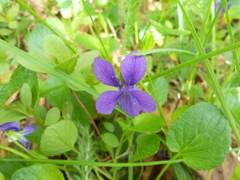
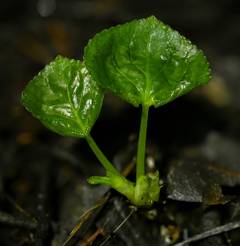
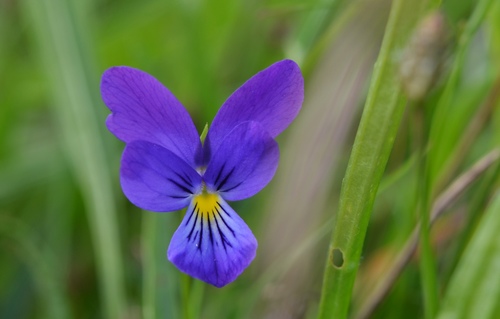
Viola lutea is a low, rhizomatous perennial pansy of the violet family, spreading by slender underground stems to form loose patches 2–6 inches (5–15 cm) tall. The leaves are oval to lance-shaped, 0.4–1.2 inches (1–3 cm) long, with rounded teeth and leafy, deeply divided stipules at the base. Flat-faced flowers 0.8–1.4 inches (2–3.5 cm) across appear from May to August, usually clear yellow but ranging through violet, blue-purple, and bicolored forms, each with dark nectar-guide lines on the lower petals and a short spur behind. It grows in upland hay meadows, grassland, and grazed mountain pasture across western and central Europe, favoring moist but well-drained soils that are slightly acidic and low in lime. The creeping rhizomes let it persist under grazing and form patches over time. It is intolerant of dense competition, heavy fertilizing, and prolonged drought, and declines where rough grassland is left uncut or heavily fertilized. Plants are short-lived individually but renew through rhizomes and seed.
Native Range
Viola lutea is native to the uplands of western and central Europe, including Britain, France, and the mountains of central Europe. It grows in hay meadows, grassland, and grazed mountain pasture on slightly acidic soils.Suggested Uses
Used in wildflower meadows, naturalistic grassland, rock gardens, and the front of borders on acidic soil. Suited to upland and meadow plantings and to short turf managed by occasional cutting.How to Identify
Appearance
Size & Dimensions
Height2" - 6"
Width/Spread6" - 1'
Bloom Information
Flowers open from May to August, with the main display in June and July in upland sites. Bloom continues over many weeks where the grassland stays open and moist. Seed capsules split into three to scatter seed, and plants also spread underground by rhizome.
Detailed Descriptions
Foliage Description
greenGrowing Conditions
Sun Requirements
Requires 4-10 hours of direct sunlight daily
• Full Sun: 6+ hours of direct sunlight
• Partial Shade: 3-6 hours of direct sunlight
• Full Shade: Less than 3 hours of direct sunlight
Care & Maintenance
Care Guide
Grows in full sun to part shade on moist, well-drained, slightly acidic soils low in lime, in open grassland conditions. It needs an open site with light competition and tolerates grazing or mowing once flowering has finished. Heavy feeding, dense turf, and prolonged drought weaken it. Watering helps through dry spells on free-draining ground. The creeping rhizomes spread it slowly into surrounding turf. It is hardy in zones 4 to 7.Pruning
No formal pruning is needed. Shearing or light grazing after flowering keeps surrounding grass open and favors the patch. Seed heads can be left to ripen for self-sowing.Container Growing
Suitable for container growing