Viola, Genus, odorata, Species,
- Genus & species
sweet violet
Overview
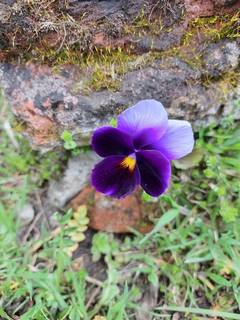
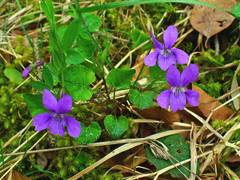
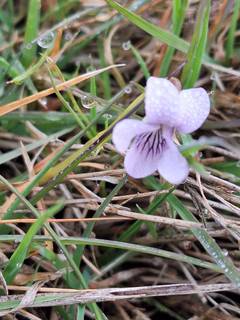
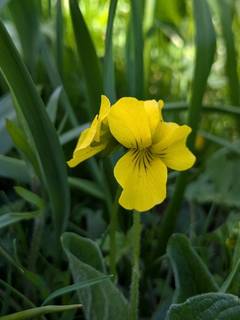
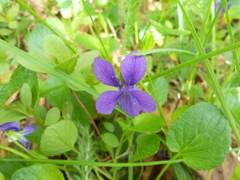
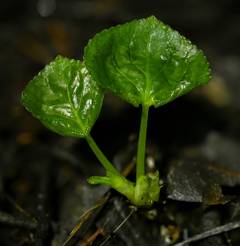
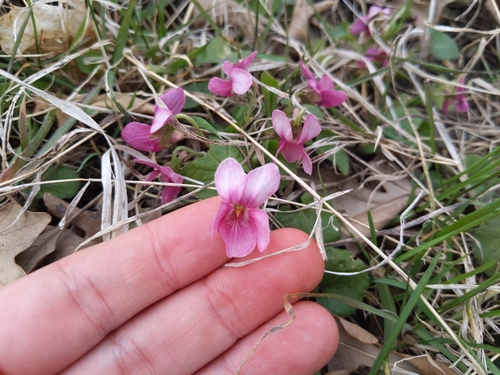
Viola odorata is a low, stoloniferous perennial in the violet family, forming spreading clumps 4-6 inches (10-15 cm) tall and 8-16 inches (20-40 cm) wide from a basal rosette and creeping runners. The heart-shaped to kidney-shaped leaves are 0.8-2.4 inches (2-6 cm) long, scalloped, and held on long stalks, forming a dense, low mound. In late winter and early spring it bears solitary, sweetly scented flowers about 0.6-0.8 inch (15-20 mm) across on slender stalks, usually deep violet-purple but also white or pink in some forms, with five petals and a short spur. Later in the season it also produces closed, self-pollinating flowers near the ground that set most of the seed. The plant spreads by runners that root at the tips, knitting into a weed-suppressing groundcover in shade and part shade. It can seed and run beyond its intended spot, naturalizing into lawns and borders. The foliage is semi-evergreen, fading in hard winters and dry summers.
Native Range
Native to Europe, western Asia, and North Africa, growing in woodland, hedge banks, scrub, and grassy verges. It has been cultivated for centuries and has naturalized widely, including in North America.Suggested Uses
Used as a fragrant groundcover under shrubs and trees, along shaded paths, and in cottage and woodland gardens, spaced 8-12 inches (20-30 cm) apart. The early flowers are cut for small posies and have long been used in perfumery and as a culinary garnish. The blooms supply nectar for early bees and other spring pollinators.How to Identify
Appearance
Size & Dimensions
Height4" - 6"
Width/Spread8" - 1'4"
Bloom Information
Detailed Descriptions
Flower Description
Violet-purple, also white or pinkFoliage Description
Dark greenGrowing Conditions
Sun Requirements
Requires 2-6 hours of direct sunlight daily
• Full Sun: 6+ hours of direct sunlight
• Partial Shade: 3-6 hours of direct sunlight
• Full Shade: Less than 3 hours of direct sunlight
Care & Maintenance
Care Guide
Grows in part to full shade on moist, humus-rich, well-drained soil of neutral to slightly alkaline pH. It tolerates a range of soils but needs steady moisture in the growing season and may go dormant in dry summers. Plants are hardy to about -30F (-34C) in zones 4-8 and need no winter protection. A mulch of leaf mold keeps the roots cool and feeds the spreading runners. It self-sows and runs freely, so it may need thinning to stay within bounds. No feeding is needed in a woodland setting.Pruning
No formal pruning is needed for this low groundcover. Tattered foliage can be sheared off in late winter to make way for the flowers and fresh leaves. Runners and self-sown seedlings can be lifted in spring or autumn to control spread or to propagate.Container Growing
Suitable for container growing
Minimum container size: 1 gallons