Viola, Genus, hirta, Species,
- Genus & species
hairy violet
Overview
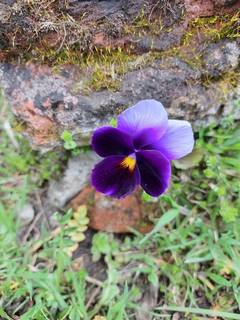
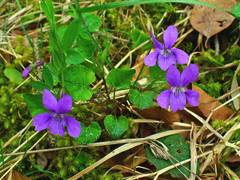
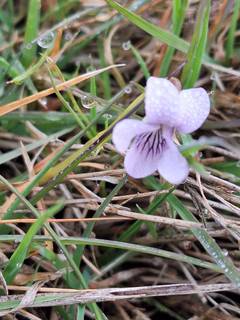
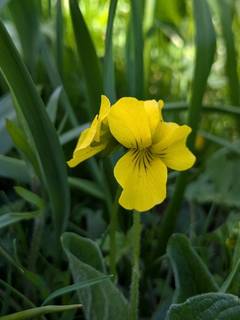
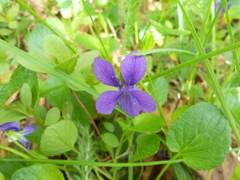
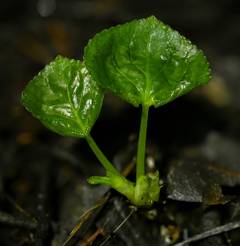
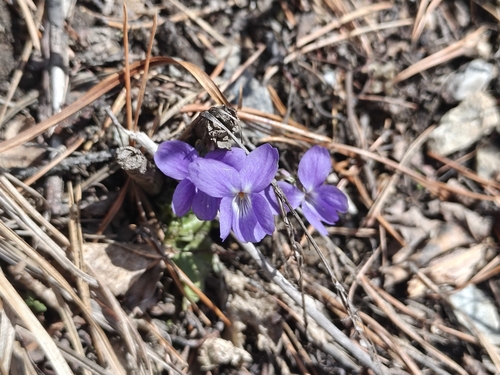
Viola hirta is a low, stemless perennial in the Violaceae, forming a basal rosette 2–6 inches (5–15 cm) tall and slowly spreading to 4–8 inches (10–20 cm) wide. The heart-shaped to oblong leaves are 0.8–2.4 inches (2–6 cm) long, dull green, and covered with short, spreading hairs on the blades and long leaf-stalks, the feature that gives the plant its name. Solitary, scentless flowers, 0.5–0.6 inch (12–15 mm) across, are pale blue-violet with a short, slightly curved spur and appear on slender stalks rising directly from the rootstock. Flowering runs from March to May, followed by hairy seed capsules that split into three to release the seeds. It grows on dry calcareous grassland, scrub, and open woodland across Europe and temperate Asia. Unlike the sweet violet, it spreads only by seed and produces no creeping runners, so it forms scattered clumps rather than dense mats. It can be slow to colonise and is crowded out by taller grasses on fertile soils.
Native Range
Native across Europe and temperate Asia, on dry, calcareous grassland, scrub, and woodland margins. It ranges from the British Isles east into Russia.Suggested Uses
Used in calcareous grassland and meadow restoration, woodland-edge plantings, and rock or gravel gardens on alkaline soils. It also grows as a low groundcover beneath open shrubs.How to Identify
Appearance
Size & Dimensions
Height2" - 6"
Width/Spread4" - 8"
Bloom Information
Flowers from March to May, with single blooms held just above the leaf rosette. The flowers are scentless, and later cleistogamous flowers near ground level set seed without opening. Hairy capsules ripen in early summer.
Detailed Descriptions
Foliage Description
dull greenGrowing Conditions
Sun Requirements
Requires 3-6 hours of direct sunlight daily
• Full Sun: 6+ hours of direct sunlight
• Partial Shade: 3-6 hours of direct sunlight
• Full Shade: Less than 3 hours of direct sunlight
Care & Maintenance
Care Guide
Grows in full sun to partial shade on free-draining, neutral to alkaline soils, and tolerates dry, low-fertility ground. Water needs are low once established, and the rootstock withstands summer drought on chalky soils. Propagation is by seed sown in autumn or by division of the rootstock in spring. It self-sows where conditions suit but does not run, so spread is gradual. Rich, moist soils favour competing grasses and shorten its life. It is hardy to roughly USDA zone 5.Pruning
Marked or tired leaves can be removed through the season to keep the rosette open. Plants need no cutting back beyond clearing dead foliage in late winter. Self-sown seedlings can be thinned or moved while small.Pruning Schedule
Prune: February
winter
Container Growing
Suitable for container growing
Minimum container size: 1 gallons