Vicia, Genus, tetrasperma, Species,
- Genus & species
lentil vetch
Europe, North Africa, and temperate Asia
SunFull Sun – Part Shade
Overview
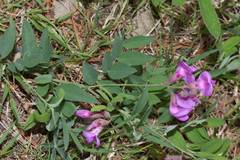
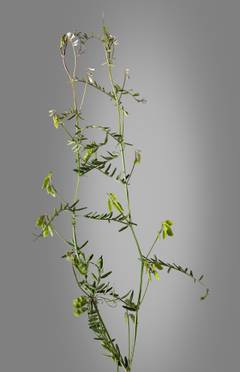
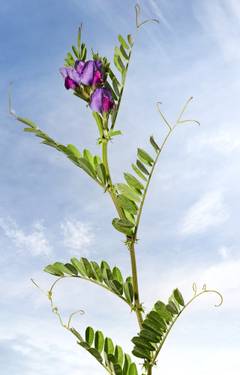
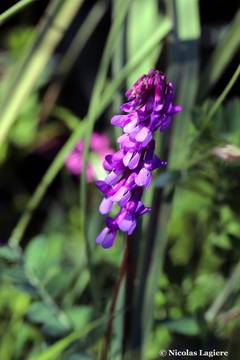
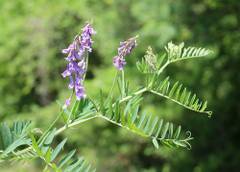
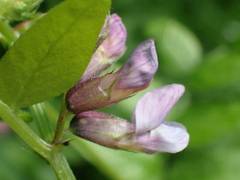
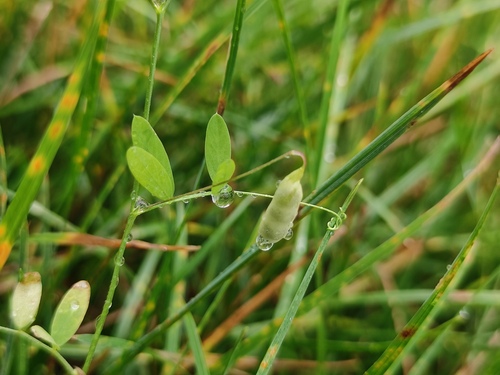
Vicia tetrasperma is a slender, scrambling annual vetch in the pea family, with thread-like stems 8-24 inches (20-60 cm) long that climb through other plants by branched tendrils. The leaves are pinnate, made up of 3-6 pairs of narrow leaflets and tipped by a tendril rather than a terminal leaflet. From May to August it bears very small pale lilac to pale blue flowers, usually one or two together on a slender stalk arising from the leaf axils, each flower only 0.15-0.3 inches (4-8 mm) long. The flowers give way to smooth, hairless pods 0.4-0.6 inches (10-15 mm) long that typically contain four seeds, the feature behind the species name. The plant grows in rough grassland, hedge banks, arable margins, and waste ground on a range of soils, climbing weakly among taller vegetation in full sun to light shade. As a slender annual it casts little shade and depends on neighbouring plants for support. It is short-lived and regenerates each year from seed.
Native Range
Native across Europe, North Africa, and temperate Asia, and naturalised more widely. In Britain it is frequent in lowland grassy and arable habitats, mainly in England.Suggested Uses
Found in meadow and grassland mixes, conservation margins, and wildlife plantings rather than formal borders. As a nitrogen-fixing legume it adds to the diversity of rough grassland. Its seeds and foliage feed insects and seed-eating birds.How to Identify
Appearance
Size & Dimensions
Height8" - 2'
Width/Spread4" - 1'
Bloom Information
Detailed Descriptions
Foliage Description
greenGrowing Conditions
Sun Requirements
Requires 5-9 hours of direct sunlight daily
• Full Sun: 6+ hours of direct sunlight
• Partial Shade: 3-6 hours of direct sunlight
• Full Shade: Less than 3 hours of direct sunlight
Water & Climate
Water Needs
Drought Tolerance
Drought tolerant when established
Care & Maintenance
Care Guide
Vicia tetrasperma grows in full sun to light shade on a wide range of free-draining soils of moderate fertility. Like other legumes it fixes nitrogen through root nodules and tolerates poor ground, though it grows weakly without other plants to climb. As an annual it is raised from seed sown in spring or autumn and is not transplanted. It scrambles up grasses and taller herbs, needing their support to stay off the ground. Plants self-seed where the soil stays open and grassy. Dense shade and very wet ground reduce it.Pruning
No pruning is needed for this short-lived annual. Stems die back after seeding and are cleared with surrounding vegetation. Self-sown seedlings appear in spring among grasses and herbs.Toxicity
Non-toxicPlanting Guide
Planting Methods & Timing
Planting Method
direct sow
Direct Sow Timing
Spring or autumn
Plant Spacing
4 inches