Image 1 of 8
1 / 8
Viburnum x burkwoodii
Burkwood Viburnum
Hybrid of garden origin — {V. carlesii} (Korea) × {V. utile} (central China); bred by Burkwood & Skipwith, Kingston-on-Thames, England (~1924)
Overview
Viburnum spp. × burkwoodii spp. is Burkwood viburnum (fragrant viburnum), an upright semi-evergreen shrub growing 8-10 feet (2.4-3 m) tall and 6-8 feet (1.8-2.4 m) wide. White flowers opening from pink buds in dense rounded cymes 2-3 inches (5-7 cm) in March-April (6 weeks). Strongly fragrant (sweet, spicy, carnation-like). Dark glossy green ovate leaves 2-4 inches (5-10 cm) with stellate hairs beneath; semi-evergreen in mild winters. In Adoxaceae spp.. A hybrid: V. carlesii × V. utile (Burkwood & Skipwith, England, ~1924). The intense spring fragrance is the primary feature. Cold-hardy (zone 4). Semi-evergreen in zones 7-8, deciduous in 4-6. Not drought-tolerant. The large size and the suckering tendency are the primary limitations. Viburnum beetle is an emerging pest. Not deer-resistant. Non-toxic. Zones 4-8. Full sun to partial shade. Growth rate is moderate.
Native Range
Hybrid of garden origin — V. carlesii (Korea) × V. utile (central China). Bred by Burkwood & Skipwith, Kingston-on-Thames, England (~1924).Suggested Uses
Grown near doorways, patios, and paths (for fragrance), in borders, and as a specimen, spaced 6-8 feet (1.8-2.4 m). Intensely fragrant. Semi-evergreen. Not deer-resistant. Non-toxic. Zones 4-8.How to Identify
Appearance
Size & Dimensions
Height8' - 10'
Width/Spread6' - 8'
Reaches mature size in approximately 6 years
Bloom Information
Early spring (March-April). White flowers 0.3 inch (8 mm) opening from pink buds in dense rounded terminal cymes 2-3 inches (5-7 cm). Strongly fragrant (sweet, spicy, carnation-like). 6 weeks. Bee- and butterfly-visited. Sparse red-to-black berries follow (cross-pollination improves fruiting).
Detailed Descriptions
Flower Description
White opening from pink buds, small, 0.3 inch (8 mm), in dense rounded (snowball-like) terminal cymes 2-3 inches (5-7 cm); March-April; strongly fragrant (sweet, spicy, carnation-like — among the most intensely fragrant spring-blooming shrubs); followed by red berries ripening to black (sparse — cross-pollination improves fruiting)Foliage Description
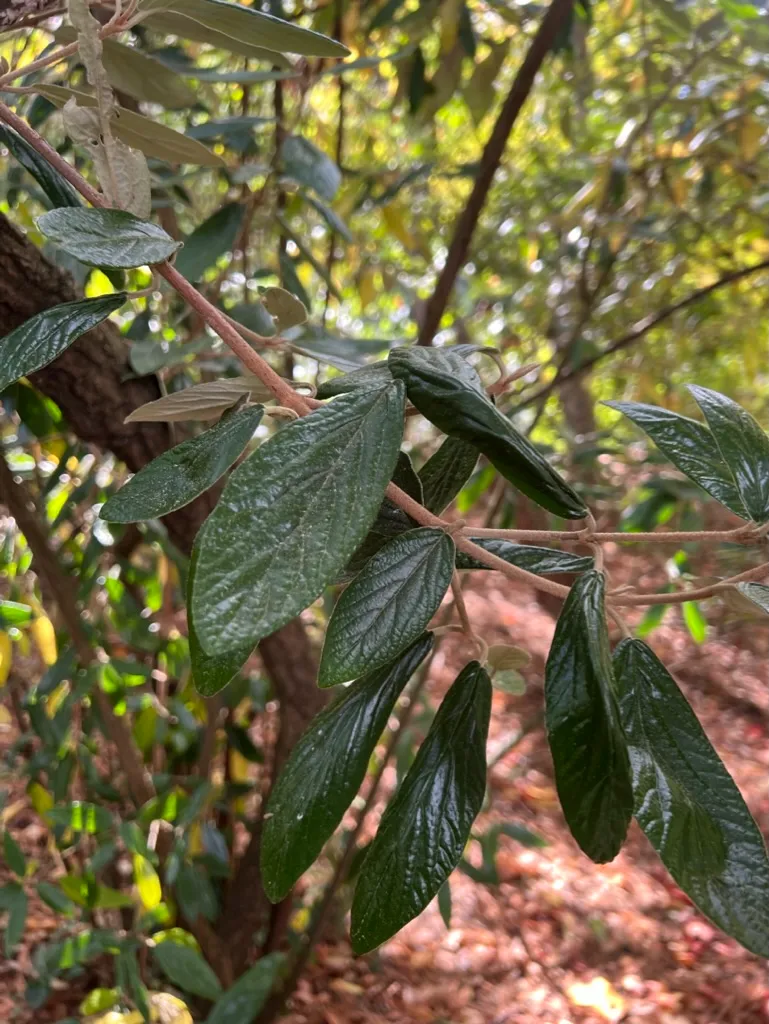
Dark glossy green above, lighter with stellate (star-shaped) hairs beneath, ovate, 2-4 inches (5-10 cm); semi-evergreen — retains leaves in mild winters (zones 7-8), deciduous in colder zones (4-6); fall color wine-red to burgundy in deciduous portionsGrowing Conditions
Sun Requirements
Requires 4-8 hours of direct sunlight daily
• Full Sun: 6+ hours of direct sunlight
• Partial Shade: 3-6 hours of direct sunlight
• Full Shade: Less than 3 hours of direct sunlight
Care & Maintenance
Care Guide
Full sun to partial shade (4-8 hours). Well-drained soil pH 5.5-7.0. Not drought-tolerant. Semi-evergreen in mild climates, deciduous in cold. May sucker from the base — remove unwanted shoots. Viburnum beetle emerging pest. Not deer-resistant. Non-toxic. Zones 4-8.Pruning
Prune after flowering (May) to shape. Remove basal suckers if unwanted. Tolerates moderate shaping. Remove oldest stems at the base every few years to rejuvenate.Pruning Schedule
J
F
M
A
M
J
J
A
S
O
N
D
late spring