Image 1 of 15
1 / 15
Plant Reference
Viburnum, Genus, rhytidophyllum, Species,
- Genus & species
leatherleaf viburnum
Central and western China — Hubei, Sichuan, and Guizhou provinces; mountain forests at 3,000–8,000 feet (900–2,400 m)
Overview
Viburnum rhytidophyllum (leatherleaf viburnum, wrinkled viburnum) is a large upright evergreen shrub growing 8–15 feet (2.4–4.5 m) tall and 8–12 feet (2.4–3.6 m) wide. Creamy white flowers in flat-topped cymes 4–8 inches (10–20 cm) appear April–May for about 4 weeks. Bicolor berry clusters follow — drupes 0.3 inch (8 mm) ripen from red to glossy black, with both colors present in the same cluster. Foliage consists of dark green deeply wrinkled (rugose) oblong-lanceolate leathery leaves 4–8 inches (10–20 cm) long with dense tan to gray-brown woolly stellate tomentum on the underside. The species belongs to Adoxaceae; the epithet rhytidophyllum derives from Greek rhytido (wrinkled) and phyllum (leaf). Native to mountain forests in central and western China. Cold hardiness reaches USDA zone 5, though leaves curl downward in cold weather (thermonasty) and the plant becomes semi-evergreen to deciduous in zones 5–6. The mature size of 8–15 feet (2.4–4.5 m) requires ample space — this is the principal siting limitation. Cross-pollination is required for fruit set. Viburnum beetle (Pyrrhalta viburni) is an emerging pest. Drought-tolerant once established. Non-toxic. Deer-resistant. Hardy in zones 5–8.
Native Range
Native to central and western China — Hubei, Sichuan, and Guizhou provinces, in mountain forests at 3,000–8,000 feet (900–2,400 m).Suggested Uses
Used as a large evergreen screen, windbreak, woodland-edge specimen, or background mass on sites with 8–12 feet (2.4–3.6 m) of horizontal space, spaced 8–12 feet (2.4–3.6 m) apart. The bold rugose foliage supplies coarse texture in mixed plantings within zones 5–8.How to Identify
Appearance
Size & Dimensions
Height8' - 15'
Width/Spread8' - 12'
Bloom Information
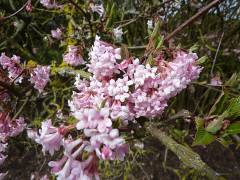
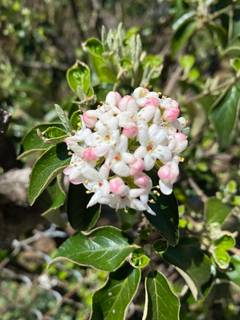
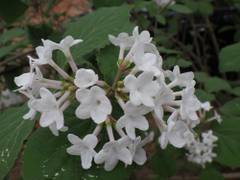
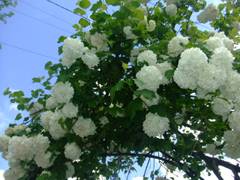
Mid to late spring (April–May) over about 4 weeks. Creamy white flowers 0.2 inch (5 mm) in flat-topped terminal cymes 4–8 inches (10–20 cm). Flower buds form in fall and remain visible through winter. Bee-visited. Cross-pollination from a separate seedling or clone is required for the bicolor red-to-black drupes that follow.
Detailed Descriptions
Flower Description
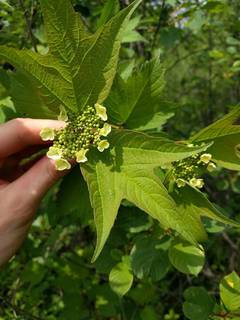
Creamy white; small; 0.2 inch (5 mm); in flat-topped terminal cymes 4-8 inches (10-20 cm); April-May; flower buds form in fall and remain visible through winter; followed by bicolor berry clusters in which drupes 0.3 inch (8 mm) ripen from red to glossy black with both colors present togetherFoliage Description
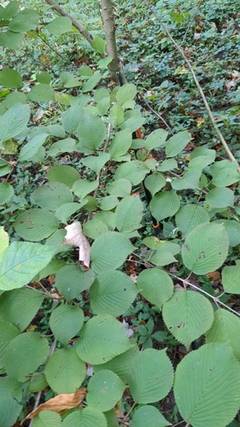
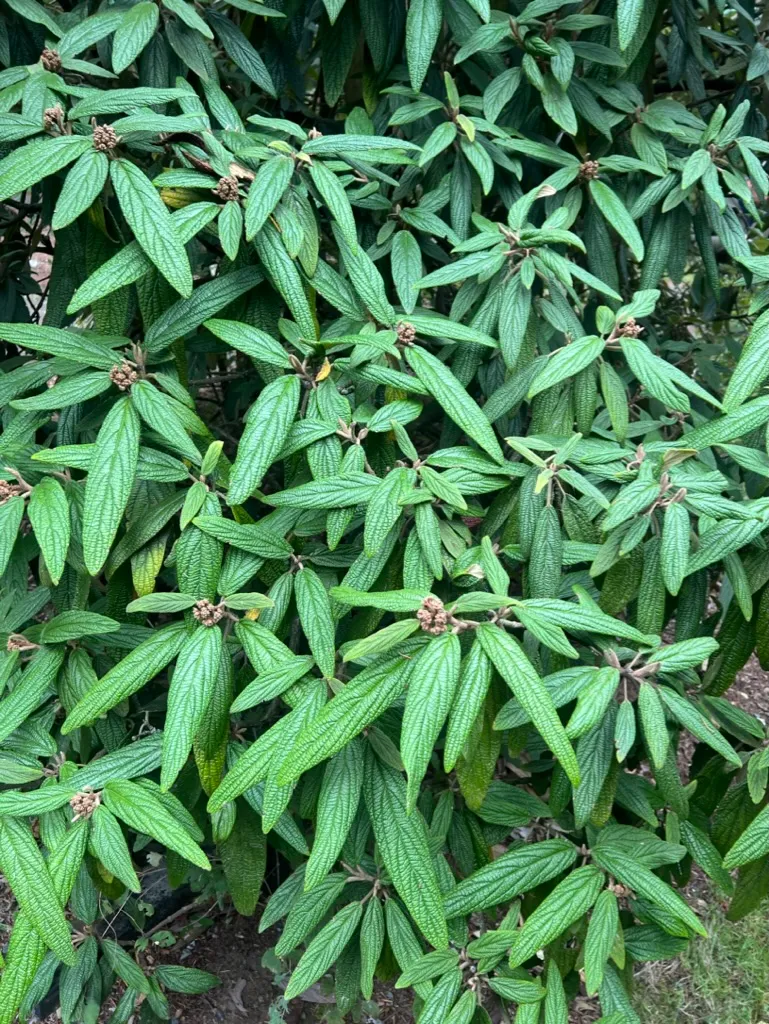
Dark green; deeply wrinkled (rugose) upper surface; oblong-lanceolate; 4-8 inches (10-20 cm); leathery; underside with dense tan to gray-brown woolly stellate (star-shaped) tomentum; leaves curl downward in cold weather (thermonasty - a frost-protection response); evergreen in zones 7-8, semi-evergreen to deciduous in zones 5-6Growing Conditions
Sun Requirements
Requires 4-8 hours of direct sunlight daily
• Full Sun: 6+ hours of direct sunlight
• Partial Shade: 3-6 hours of direct sunlight
• Full Shade: Less than 3 hours of direct sunlight
Care & Maintenance
Care Guide
Grows in part sun to full sun with 4–8 hours of direct light. Soil pH 5.5–7.5 in well-drained loam, clay, or sand. Drought-tolerant once established (about 2 growing seasons). Mature spread of 8–12 feet (2.4–3.6 m) requires open siting. Foliage curls downward in cold weather (thermonasty) — a normal frost response, not a disease. Fruit set requires cross-pollination from a separate seedling or clone. Viburnum beetle (Pyrrhalta viburni) is an emerging pest in eastern North America. Non-toxic. Deer-resistant. Suitable for zones 5–8.Pruning
Prune after flowering in May–June to control size and remove crossing stems. Tolerates hard renovation pruning into older wood. Removal of the oldest stems at the base every few years rejuvenates the shrub.Pruning Schedule
Prune: May–June
late spring