Image 1 of 13
1 / 13
Plant Reference
Viburnum, Genus, davidii, Species,
- Genus & species
david viburnum
Western China — Sichuan and Hubei provinces; mountain forests and thickets at 4,000-9,000 feet (1,200-2,700 m)
Overview
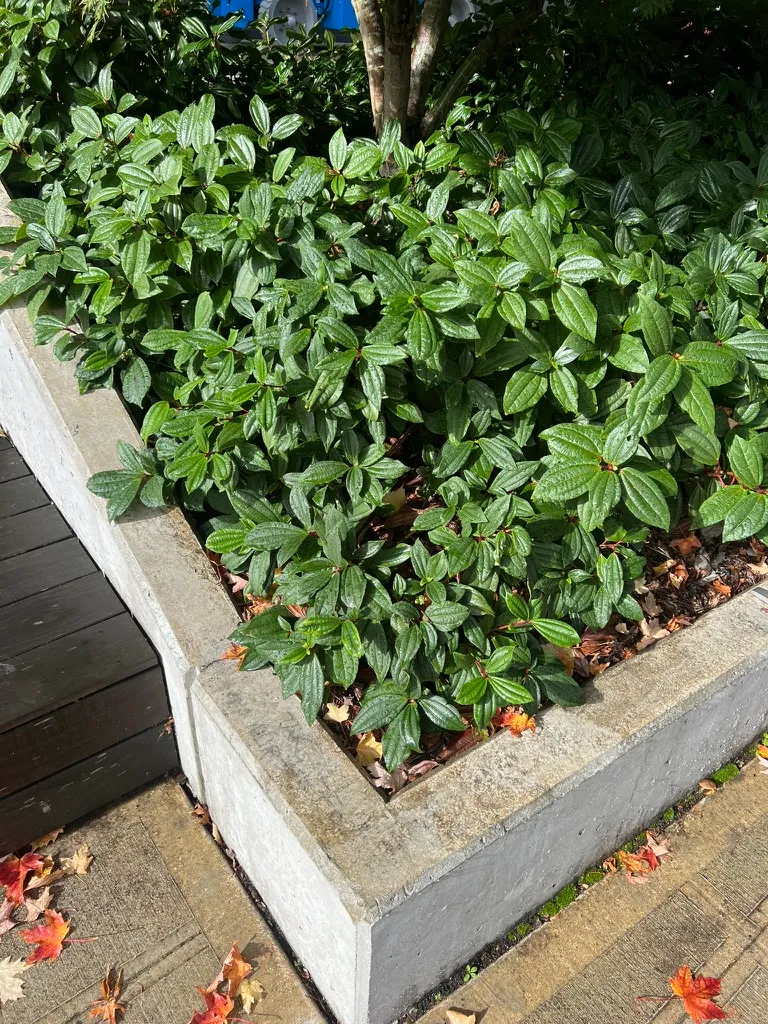
Viburnum davidii is David viburnum, a mounding compact evergreen shrub growing 3-5 feet (0.9-1.5 m) tall and 3-5 feet (0.9-1.5 m) wide. Dull white flowers in flat-topped terminal cymes 2-3 inches (5-7 cm) in May-June (4 weeks). Metallic turquoise-blue ovoid berries 0.25 inch (6 mm) on female plants in fall, persisting into winter. Glossy dark green leathery leaves 2-6 inches (5-15 cm) with three prominent parallel veins and slightly corrugated surface. In Adoxaceae. Named for Père Armand David. Dioecious — requires both male and female plants for berry production. This sexing requirement is the primary limitation — plants are not reliably sexed at sale. The three parallel leaf veins are diagnostic. Native to western China. Not drought-tolerant. Viburnum beetle is an emerging pest. Non-toxic. Deer-resistant. Zones 7-9. Part shade to full sun. Growth rate is slow.
Native Range
Native to western China — Sichuan and Hubei provinces. Found in mountain forests and thickets at 4,000-9,000 feet (1,200-2,700 m).Suggested Uses
Grown in shade borders, foundation plantings, and in containers of at least 5 gallons (19 L), spaced 3-5 feet (0.9-1.5 m). Plant male and female for berries. Three-veined foliage. Non-toxic. Zones 7-9.How to Identify
Appearance
Size & Dimensions
Height3' - 5'
Width/Spread3' - 5'
Bloom Information
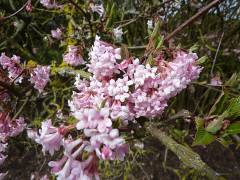
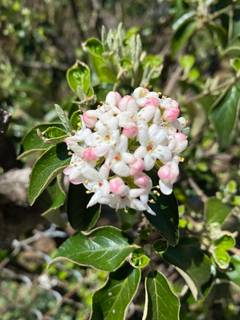
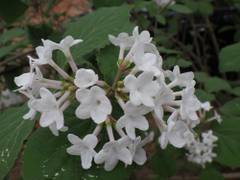
Late spring to early summer (May-June). Dull white flowers 0.2 inch (5 mm) in flat-topped terminal cymes 2-3 inches (5-7 cm). 4 weeks. Dioecious. Bee-visited. Metallic turquoise-blue berries follow on female plants in fall.
Detailed Descriptions
Flower Description
Dull white, small, 0.2 inch (5 mm), in flat-topped terminal cymes 2-3 inches (5-7 cm); May-June; dioecious — both male and female plants required for berry production; followed by metallic turquoise-blue ovoid berries 0.25 inch (6 mm) on female plants in fall, persisting into winterFoliage Description
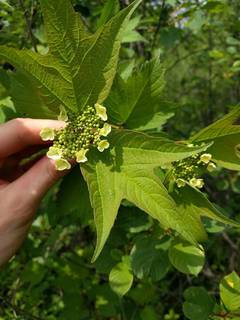
Glossy dark green with three prominent parallel veins (the 3-vein pattern is diagnostic of this species), ovate to elliptic, 2-6 inches (5-15 cm), leathery, slightly corrugated between the veins; on red-tinged petioles; evergreen year-roundGrowing Conditions
Sun Requirements
Requires 3-8 hours of direct sunlight daily
• Full Sun: 6+ hours of direct sunlight
• Partial Shade: 3-6 hours of direct sunlight
• Full Shade: Less than 3 hours of direct sunlight
Care & Maintenance
Care Guide
Part shade to full sun (3-8 hours). Moist soil pH 5.5-7.0. Not drought-tolerant. Dioecious — plant male and female together for turquoise-blue berries. Viburnum beetle is an emerging pest. Prune in early spring (February-March). Non-toxic. Deer-resistant. Zones 7-9.Pruning
Prune in early spring (February-March) to shape. Remove old or crossing branches. The compact mounding form requires minimal pruning. Remove dead wood.Pruning Schedule
Prune: February–March
early spring
Container Growing
Suitable for container growing
Minimum container size: 5 gallons