Viburnum, Genus, plicatum, Species,
- Genus & species
Japanese snowball bush
Central and southern China, Taiwan, southern Japan
Overview
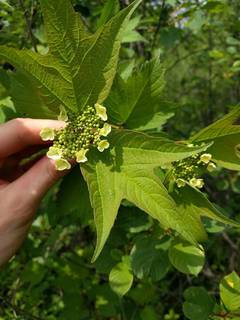
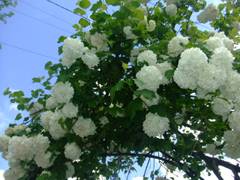
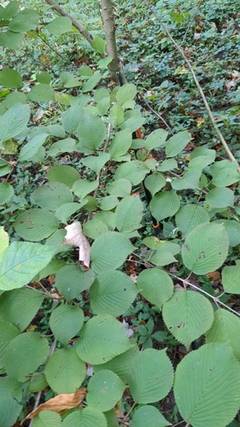
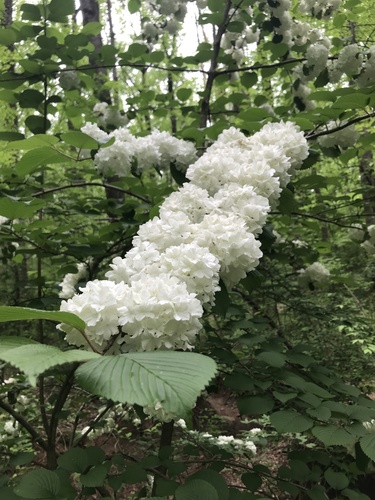
Viburnum plicatum is a deciduous large shrub reaching 10-15 feet (3.0-4.5 m) tall and 10-15 feet (3.0-4.5 m) wide, with a strongly horizontal branching pattern that gives older specimens a layered tiered appearance. Stems are light brown to gray-brown and lenticelled. Opposite ovate to elliptic leaves are 2-4 inches (5-10 cm) long and 1.5-3 inches (4-7.5 cm) wide, deeply pleated along parallel veins (the source of the species epithet plicatum), dark green through summer and turning red-purple in fall. Flat domed flower clusters 3-4 inches (7.5-10 cm) across consist entirely of sterile snowball-like flowers in the species type, opening green-tinted white and aging to pure white over 7-10 days. Bloom occurs in May in zones 5-8, slightly later than V. plicatum f. tomentosum (lacecap form). Sterile flower forms produce no fruit; fertile lacecap forms produce red drupes that turn black at maturity. Hardy to zone 5 (-20°F / -29°C). Tolerates clay and loam soils; chlorosis develops on alkaline soils above pH 7.5. Susceptible to viburnum leaf beetle Pyrrhalta viburni; heavy infestations defoliate plants from May through July without treatment. Slow growth rate; reaches mature size in 7-10 years.
Native Range
Native to mountain forests of central and southern China, Taiwan, and parts of southern Japan; the snowball-flowered form (forma plicatum) is the form first cultivated by the British plant collector Robert Fortune in the 1840s. The species occurs in mixed deciduous broadleaf forests at 2,000-7,500 feet (600-2,300 m) elevation.Suggested Uses
Used as a specimen shrub, screen, or layered border anchor, spaced 10-12 feet (3.0-3.7 m) apart in zones 5-8. Planted near patios and walkway intersections where the horizontal tiered branching pattern is visible from multiple angles. Multiple plants in a row produce a 10-15 foot (3.0-4.5 m) tall hedge with annual May bloom display.How to Identify
Appearance
Size & Dimensions
Height10' - 15'
Width/Spread10' - 15'
Bloom Information
May through early June in zones 5-8, with peak bloom in mid-May. Individual flower clusters last 7-10 days; total bloom period spans 2-3 weeks. Bloom occurs 1-2 weeks later in zones 5-6 than in zones 7-8. Cool springs below 60°F (16°C) extend the bloom period by 5-7 days.
Detailed Descriptions
Flower Description
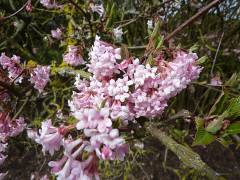
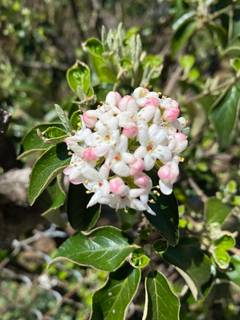
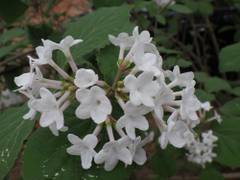
green-tinted white aging to pure whiteFoliage Description
dark green; red-purple in fallGrowing Conditions
Sun Requirements
Requires 4-8 hours of direct sunlight daily
• Full Sun: 6+ hours of direct sunlight
• Partial Shade: 3-6 hours of direct sunlight
• Full Shade: Less than 3 hours of direct sunlight
Care & Maintenance
Care Guide
Water weekly during the first growing season; established plants tolerate 2-3 weeks without rain in zones 5-8. Apply 3 inches (7.5 cm) of organic mulch in spring; mulch maintains even moisture and reduces leaf scorch in zones 7-8 summers. Viburnum leaf beetle damages new growth from May through July in eastern North America; pruning out egg-laden twigs in winter (small bumps on younger branches) reduces populations by 50-70% the following year. Foliar chlorosis develops on alkaline soils above pH 7.5; chelated iron corrects symptoms within 4-6 weeks. Container culture works for 3-5 years in 25 gallon (95 L) or larger pots; eventual ground planting required for long-term success.Pruning
Prune in late spring after flowering, removing crossing branches and shortening overlong stems by no more than one-third. Hard renewal pruning to 2-3 feet (60-90 cm) every 8-10 years restores plants that have become straggly; flowering returns in 2-3 years. Winter pruning eliminates the next spring's bloom because flower buds form on previous-year wood. Light shaping after flowering does not affect next year's flower set.Pruning Schedule
Prune: May–June
late spring